Key Highlights
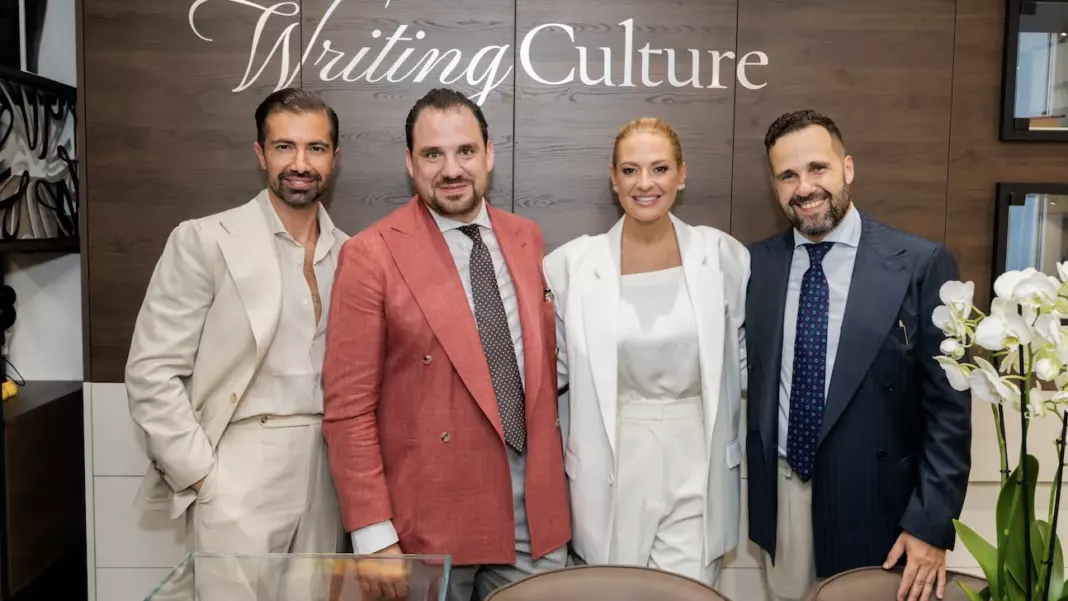
- Style of Zug formally renamed Writing Culture, effective 30 May 2026, after more than 25 years under the Naldi Family in Zug, Switzerland.
- Swiss manufacturing initiative Mechanics of Writing launched, led by engineer Davide Zanghi, focusing on precision engineering and gold nib production.
- Historic American pen brand John Holland revived under a strict Swiss-Made standard, with 100% Swiss production including in-house nib manufacture.
- First John Holland collections: the Klondike (large format, exploration-inspired) and the Empire State (medium flagship).
- International boutique expansion targeting New York, Milan, Dubai, and London, with the first two locations within 18 months.
- Growth exceeding 400% over four years preceded the announcements, underscoring the commercial foundation behind the strategic shift.
What Sets It Apart
Most rebrands are a change of typeface. Writing Culture’s transition from Style of Zug is a change of category. Samuel Naldi, Founder and CEO, has repositioned the house not as a premium retailer but as a curatorial authority — a house whose reason for existing is the cultural weight of the written word, not the transaction around it. The new visual identity reflects that shift precisely: a colour palette running from Antique Ebony and Obsidian Ink through to Parchment Beige, materials that read as aged leather and warm wood rather than polished chrome. The logo pairs a flowing script wordmark with a classical serif, and the accompanying icon, a radial composition built from the repeated form of the letter “W”, is designed to function as a house seal across wax-stamped correspondence and embossed leather agendas alike.
The Manufacturing Initiative
The most consequential announcement is Mechanics of Writing, the in-house Swiss manufacturing initiative led by engineer Davide Zanghi. Currently operating from a temporary facility in Rotkreuz, it will relocate to a permanent site in the Zug area. The stated philosophy is direct: begin product development without compromise, and build instruments that are the most meaningful to own rather than the easiest to produce. Gold nib production sits at the core of this effort, a discipline that places Writing Culture in a very small group of organisations capable of controlling the entire value chain from raw material to finished writing point.

The Revival of John Holland
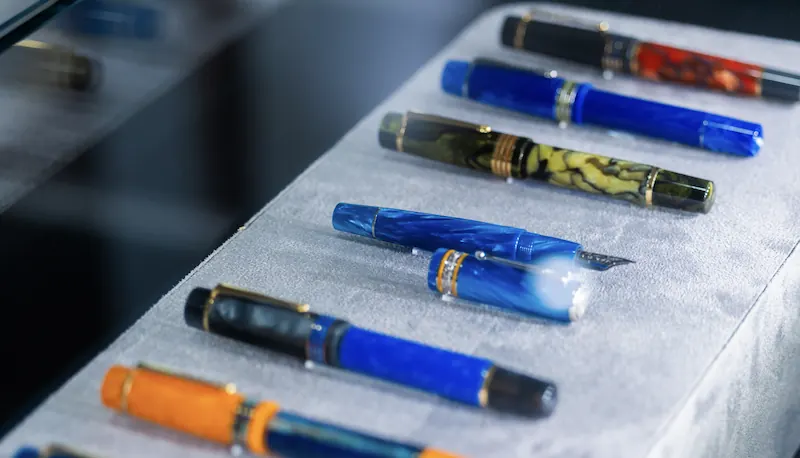
Founded by an Irish immigrant who built his business in the United States, John Holland built a reputation on elaborately decorated metal overlay pens and handcrafted gold nibs before fading from the industry. Writing Culture has not acquired a contemporary brand, it has recovered a founding name of the pen-making craft itself. Every stage of production, including nib manufacture, will take place in Switzerland under Swiss-Made standards. The first two collections give a clear signal of direction: the Klondike, a large-format piece inspired by the spirit of the gold rush, and the Empire State, a medium-sized flagship that takes ambition and metropolitan energy as its visual reference.
Significance for the Region and the Collector
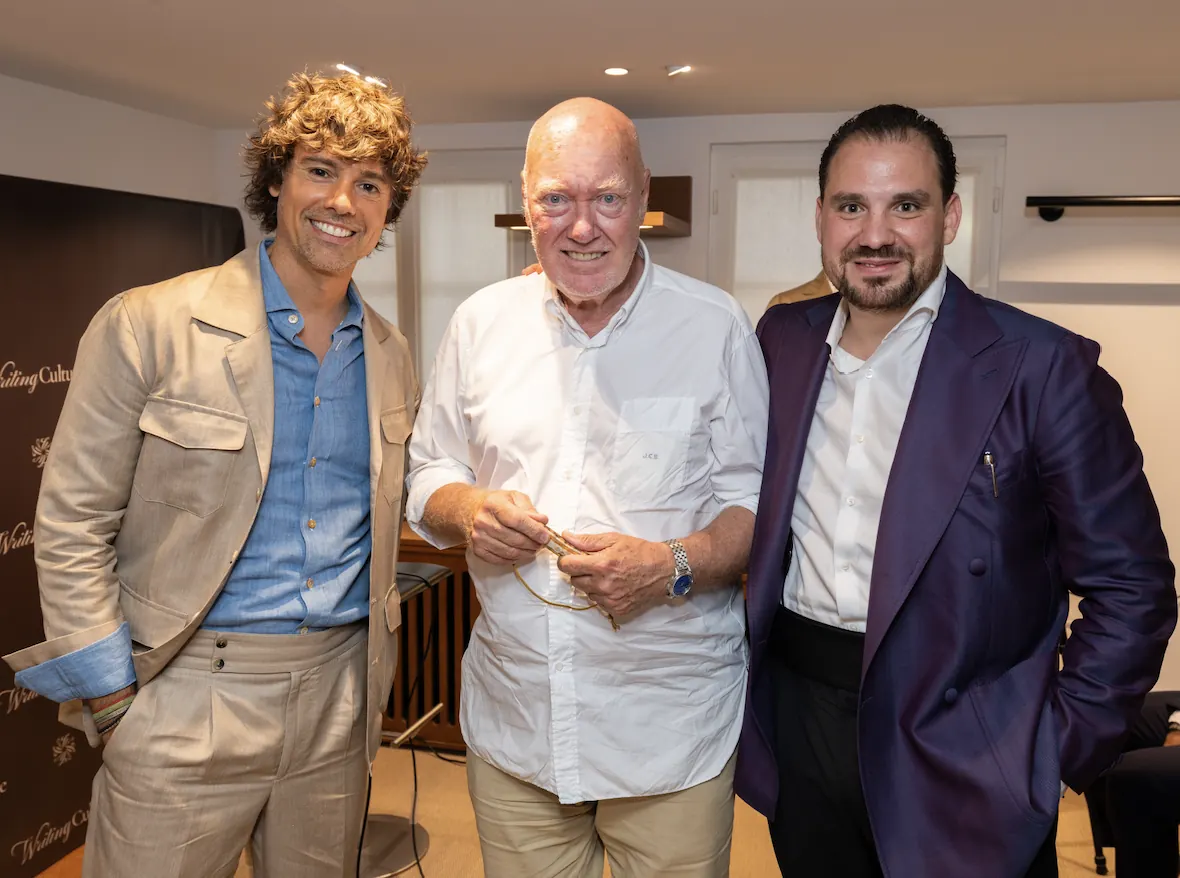
Dubai appears on Writing Culture’s international expansion list alongside New York, Milan, and London, with the first two locations scheduled within 18 months and investment described as several million over the coming years. For the Middle East collector, already fluent in fine watches, fine automobiles, and fine fashion, the positioning is deliberate: Naldi explicitly draws the analogy to categories defined by technical complexity, heritage, and emotional value. The Première Preview in Zug was hosted alongside Swiss watchmaking figure Jean-Claude Biver and automotive collector Ronnie Kessel, a guest list that signals precisely which conversations Writing Culture intends to enter. The house continues to carry authorised selections from Montblanc, Montegrappa, Namiki, Caran d’Ache, and others, maintaining its retail breadth while the manufacturing and brand revival projects develop in parallel.
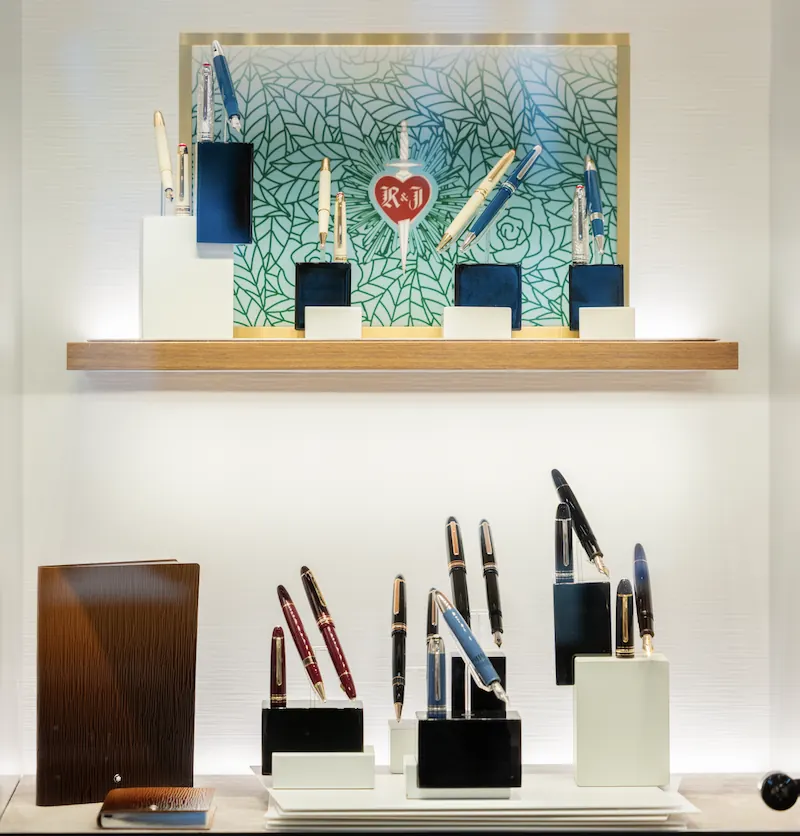
For collectors already drawn to fine watches, automobiles, fashion, and collectible objects, the parallel is straightforward: a writing instrument produced to this standard occupies the same register of intention and craft. Writing Culture is opening its first international boutiques within 18 months; Dubai is among the four targeted cities. Visit writingculture.com for updates on boutique openings and new collections.
Stay ahead of the latest releases. Subscribe to our newsletter for editor-curated coverage of luxury timepieces across the Middle East.
Frequently Asked Questions
What is Writing Culture and how does it relate to Style of Zug?
Writing Culture is the new identity of Style of Zug, Switzerland's fine writing boutique founded in 2000 by the Naldi Family in Zug. The rebrand became effective on 30 May 2026 and signals a shift from speciality retail to a global curatorial authority for rare and extraordinary writing instruments.
What is the John Holland pen brand and why is Writing Culture reviving it?
John Holland was a historic American pen brand originally known for elaborately decorated metal overlay pens and handcrafted gold nibs. Writing Culture has chosen to revive it under a strict Swiss-Made standard, with 100% of production, including nib manufacture, taking place in Switzerland. The first collections are named Klondike and Empire State.
What is Mechanics of Writing?
Mechanics of Writing is a Swiss-based manufacturing initiative led by engineer Davide Zanghi. Currently operating from a facility in Rotkreuz, it is developing precision engineering and gold nib production capabilities, with a move to a permanent location in the Zug area planned.
Where will Writing Culture open international boutiques, and when?
Writing Culture is targeting New York, Milan, Dubai, and London for international expansion. The first two locations are scheduled to open within 18 months of the June 2026 announcement, with the remaining boutiques to follow within two to three years.
Which pen brands does Writing Culture carry in its boutique?
Writing Culture is an authorised retailer for Montblanc, Montegrappa, Namiki, Elbwood, Yard'o'Led, Caran d'Ache, Sailor, and Graf von Faber-Castell, among other prestigious Maisons, alongside rare and limited editions curated for historical relevance and technical precision.