Key Highlights
- David Candaux enters two timepieces at the Grand Prix d’Horlogerie de Genève 2026: the DC6 Night Forest (Tourbillon category) and the DC12 MaveriK (Mechanical Exception category).
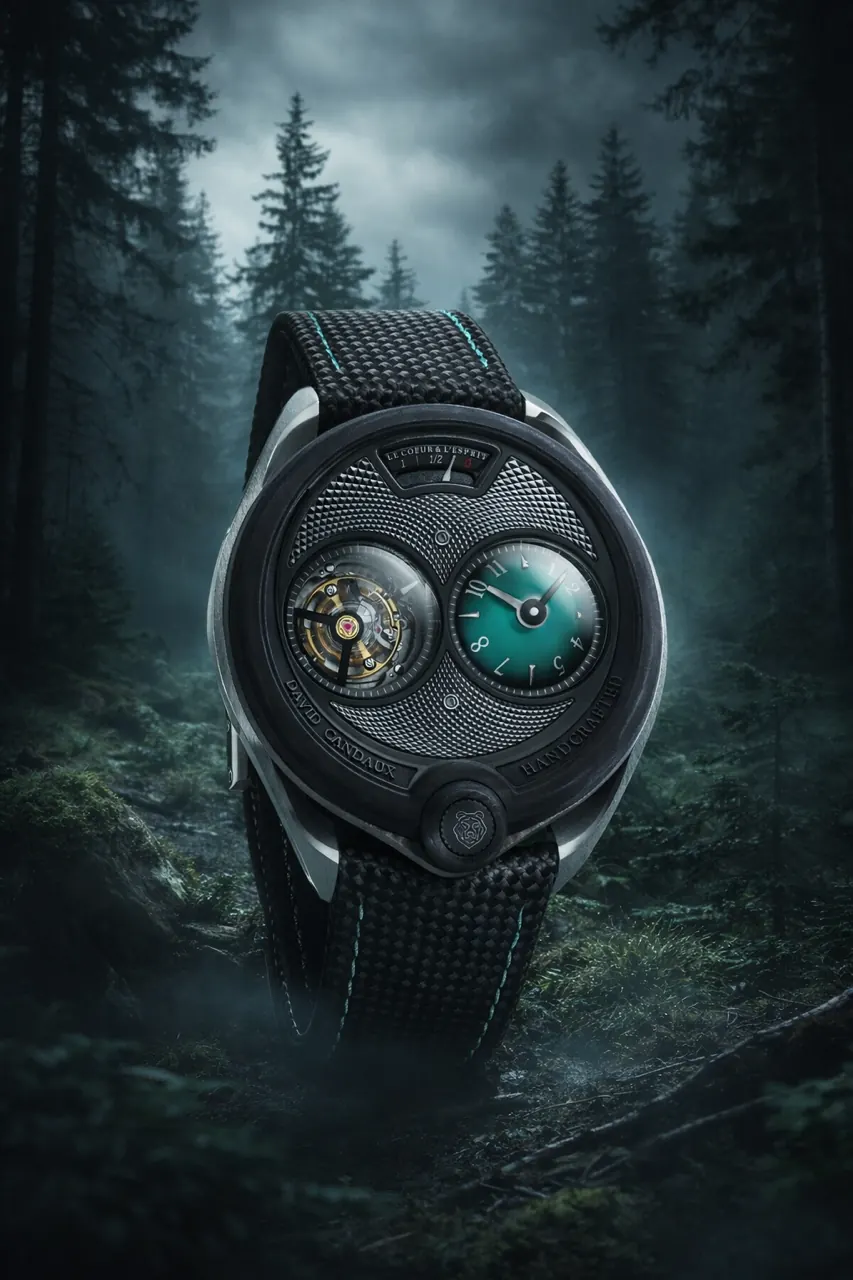
- The DC6 Night Forest weighs 45 grams, features a smoky topaz green dial, UD carbon and Grade 5 titanium construction, and is limited to eight pieces.
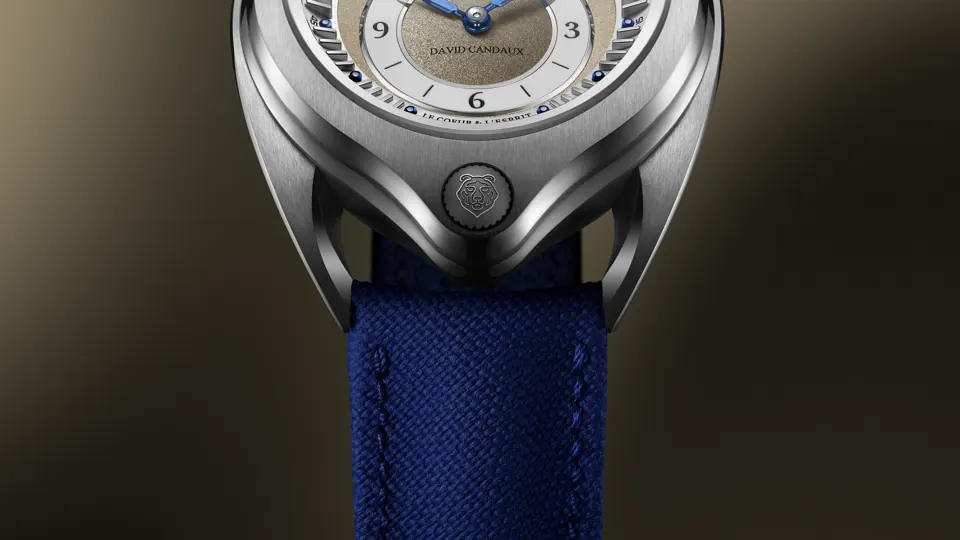
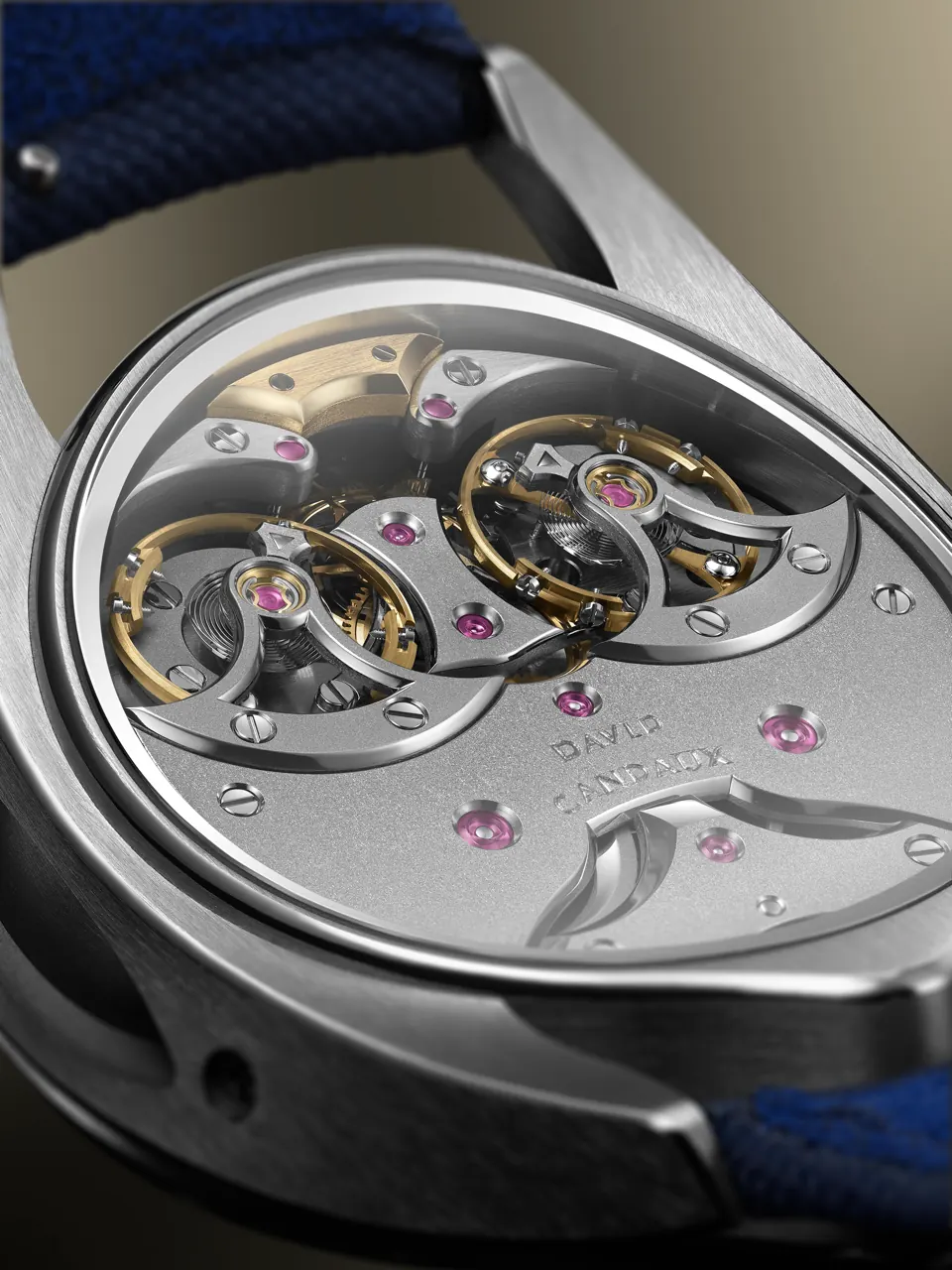
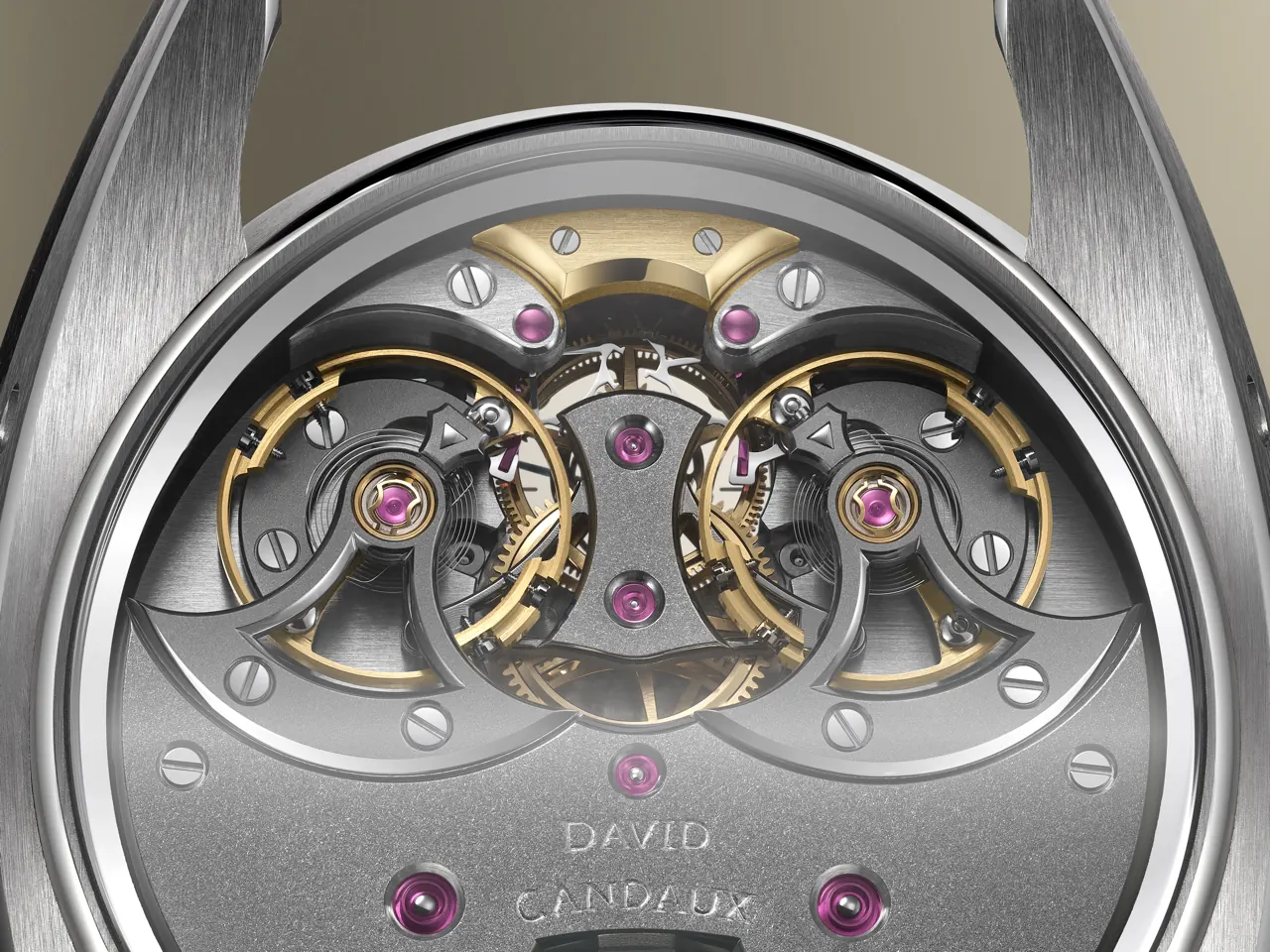
- The DC12 MaveriK houses the in-house C30 calibre with a free double balance, flying planetary differential on a hairspring shock absorber, and three patents protecting the architecture.
- Both calibres, H74 and C30, are developed entirely in-house at the Maison’s workshop in Le Solliat, Vallée de Joux.
- The DC12 MaveriK represents seventeen years of research into a regulating architecture described as unprecedented in contemporary watchmaking.
The Big Picture
For the Grand Prix d’Horlogerie de Genève 2026, David Candaux enters two pieces that sit at opposite ends of the Maison’s creative range. One is a refined evolution of an existing collection; the other is the culmination of nearly two decades of mechanical research. Together, they make a pointed statement about what independent watchmaking can still accomplish.
The Maison, founded in 2017 and based in Le Solliat, occupies a precise position in contemporary horology: too technically ambitious for the lifestyle segment, too artisanal for industrialised production. The GPHG nominations validate that positioning at the highest institutional level.
Design & Materials
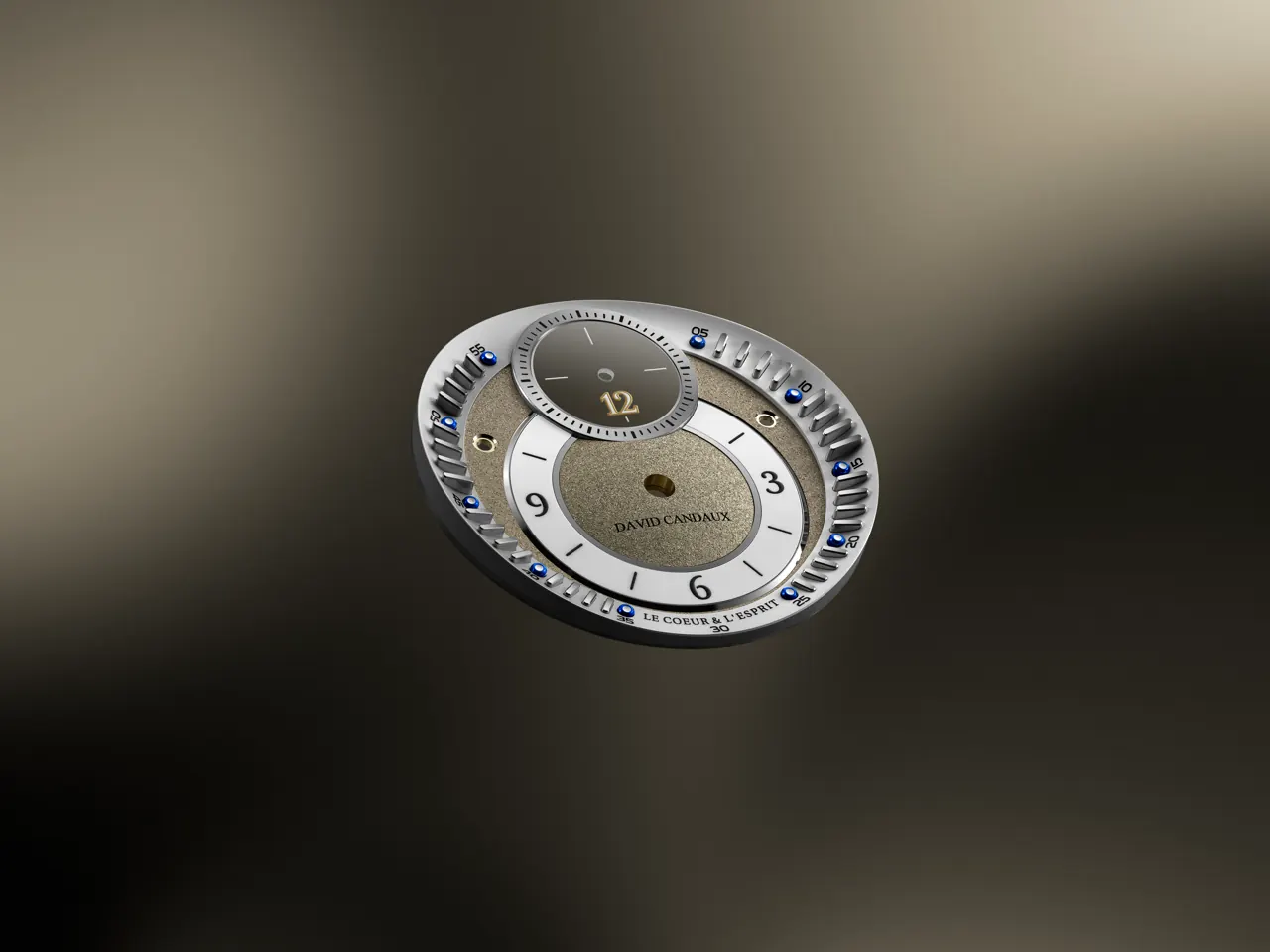
The DC6 Night Forest extends the DC6 collection with a material palette chosen for both performance and atmosphere. UD carbon forms the case architecture; Grade 5 titanium provides structural rigidity where it counts. The result: a complete watch weighing 45 grams.
Its smoky topaz green dial draws directly from the forested landscapes surrounding the Vallée de Joux. The reference is not decorative in origin; it is geographical. Collectors familiar with the Maison will recognise this as a consistent design logic, where the natural environment of Le Solliat shapes the visual language of each piece.
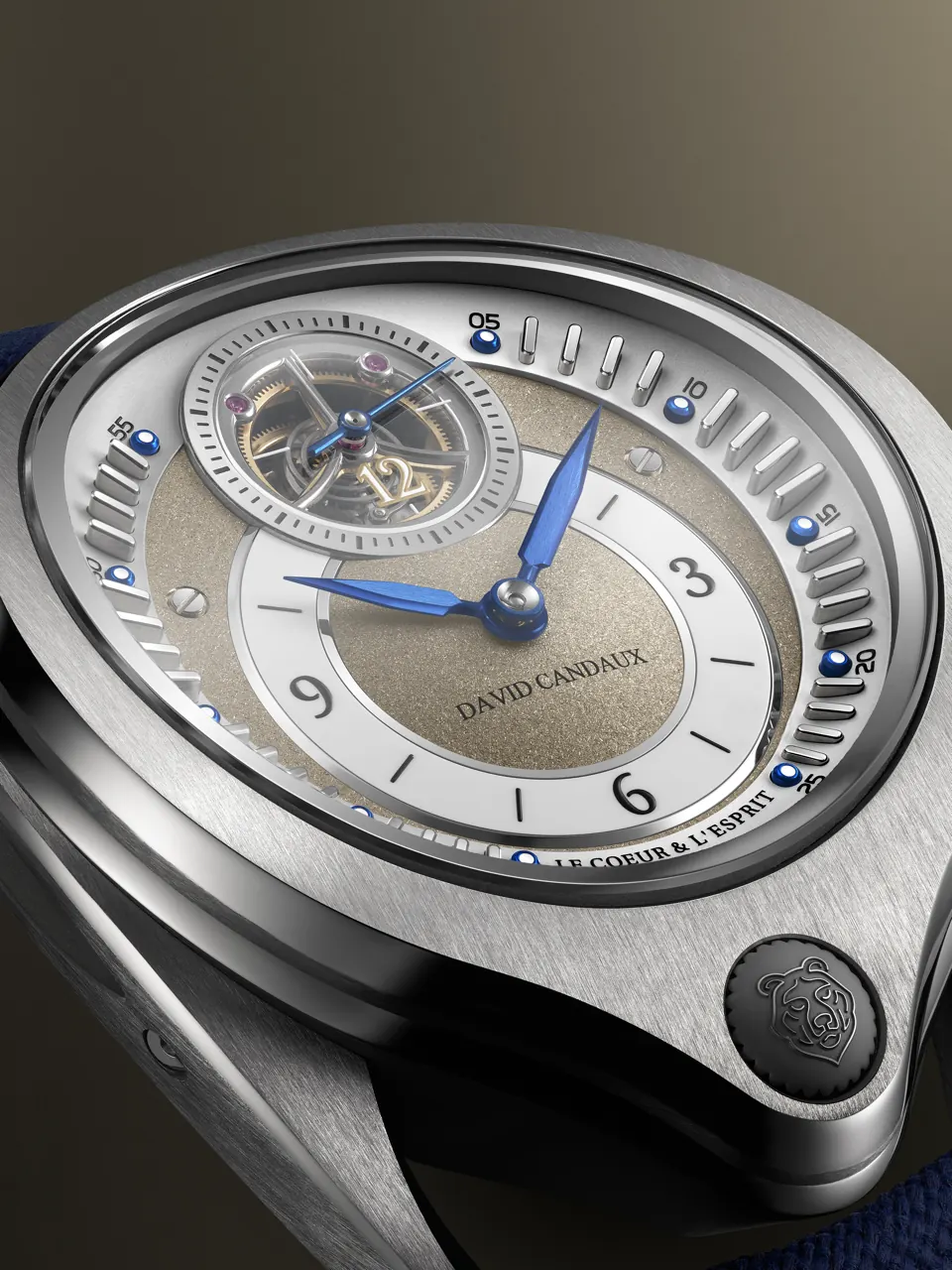
The DC12 MaveriK presents a different visual grammar. Where the DC6 is shaped by landscape, the DC12 is shaped entirely by its movement. The architecture of the C30 calibre dictates the case form, making the relationship between engineering and aesthetics unusually direct.
Movement & Technical Architecture
The H74 calibre inside the DC6 Night Forest carries the 30° flying tourbillon that has become David Candaux’s most recognisable horological signature. The inclined angle shifts the tourbillon’s visual presence on the dial and also addresses positional error across a broader arc of wrist movement.
The C30 calibre in the DC12 MaveriK operates on a fundamentally different premise. Its free double balance is connected via a flying planetary differential mounted on a hairspring shock absorber. Three patents protect this architecture, and the Maison describes it as an unprecedented regulating system in contemporary watchmaking. Seventeen years of development separate the initial concept from production.
For collectors who follow independent watchmaking, the planetary differential approach reinterprets an historical principle through a contemporary engineering lens. This is not derivative work; the patent count confirms the originality of the solution.
Why Collectors Care
The DC6 Night Forest is limited to eight pieces. At that production level, the secondary market dynamics are determined well before the piece reaches its first owner. For Middle East collectors with an appetite for independent watchmaking, scarcity at this scale is structural, not manufactured.
The DC12 MaveriK competes in the Mechanical Exception category at the Grand Prix d’Horlogerie de Genève 2026, the category reserved for timepieces that advance the discipline rather than refine the established. A nomination in this field places it alongside the most technically consequential watches of the year, regardless of brand size.
David Candaux produces every watch from start to finish in Le Solliat. In a market where the word “independent” is frequently applied to houses with scaled manufacturing operations, that distinction carries specific weight. Both GPHG entries reflect a workshop output, not a collection launch.
Stay ahead of the latest releases. Subscribe to our newsletter for editor-curated coverage of luxury timepieces across the Middle East.
Frequently Asked Questions
What makes the DC6 Night Forest special, and how many pieces are being made?
The DC6 Night Forest is limited to eight pieces. It combines a UD carbon and Grade 5 titanium case, weighs only 45 grams, and features a smoky topaz green dial alongside David Candaux's signature 30° flying tourbillon driven by the in-house H74 calibre.
What is the C30 calibre inside the DC12 MaveriK?
The C30 is an in-house calibre developed over seventeen years of research. Its core innovation is a free double balance connected by a flying planetary differential mounted on a hairspring shock absorber, a regulating architecture protected by three patents and described by the Maison as unprecedented.
Which GPHG 2026 categories do the two David Candaux timepieces compete in?
The DC6 Night Forest is entered in the Tourbillon category, while the DC12 MaveriK competes in the Mechanical Exception category at the Grand Prix d'Horlogerie de Genève 2026.
Where is David Candaux based, and when was the brand founded?
David Candaux founded his eponymous Maison in 2017. The workshop is located in Le Solliat, in the Vallée de Joux, the region historically regarded as the cradle of Swiss haute horlogerie.