
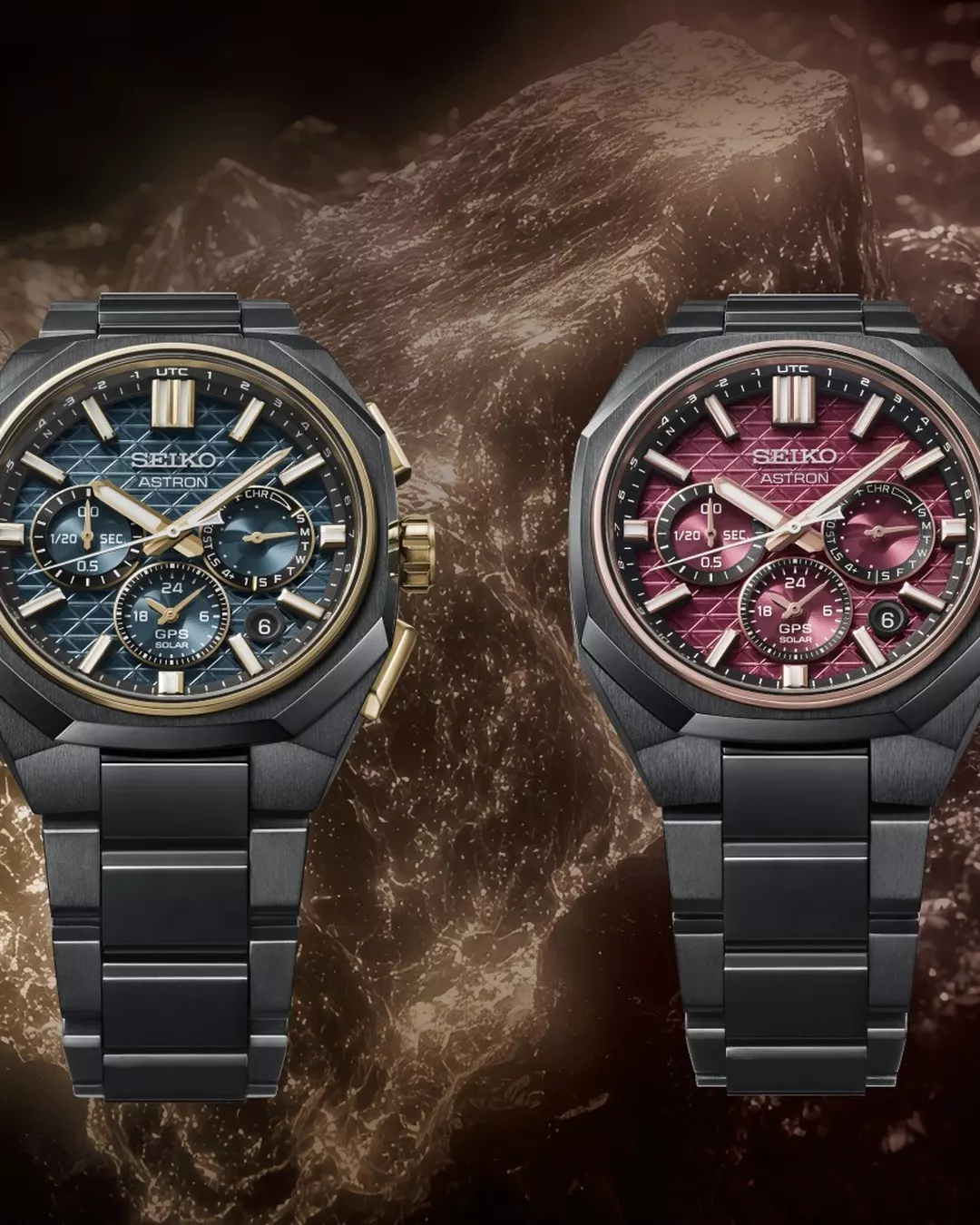
SEIKO
Key Highlights
- Tokyo, 1881. Kintaro Hattori, aged 21, opens the K. Hattori shop for watches and clocks.
- The Laurel, 1913 — Japan’s first wristwatch, made at the Seikosha factory.
- The Seiko name appears on dials in 1924. It evokes precision and exquisite workmanship in Japanese.
- The Quartz Astron, 25 December 1969 — the world’s first quartz wristwatch, launched in Tokyo.
- A fully integrated manufacture, making its own movements, cases, dials and even mainsprings.
- King Seiko is back — the revived line earned an official GPHG 2026 nomination.

From a Ginza shop to a vertically integrated giant
Most watch companies buy at least some of what they sell. Seiko’s defining trait is that it does not: movements, cases, dials, hands, even the mainsprings inside its calibres are made in-house. That integration is the thread running through nearly a century and a half of history.
It began in 1881, when a 21-year-old named Kintaro Hattori opened a shop in Tokyo to sell and repair watches and clocks. The Seikosha factory followed in 1892, and in 1913 it produced the Laurel — the first wristwatch ever made in Japan. The Seiko name itself reached the dial in 1924.
From there the company built the habit that still defines it: doing difficult things quietly, then letting the product speak. Japan’s first diver’s watch in 1965 opened the line that became Prospex; Presage carries the dress-watch tradition; and the revived King Seiko earned an official nomination at the Grand Prix d’Horlogerie de Genève 2026.

The day quartz changed everything
On 25 December 1969, Seiko released the Quartz Astron in Tokyo — the first quartz wristwatch ever sold. It cost as much as a family car, and within a decade its technology had redrawn the entire watch industry. The period Swiss houses still call the quartz crisis began with this one watch.
What is often missed is that Seiko never abandoned mechanical watchmaking. It kept both traditions alive under one roof, which is why today a single brand spans affordable Seiko 5 Sports automatics, professional Prospex divers, and the GPHG-nominated King Seiko line — while its sister brand Grand Seiko pursues pure high-end watchmaking.
Seiko in the Gulf, and what buyers there ask
Seiko occupies a singular position in the region: it is one of the most searched watch brands in Saudi Arabia, with our own measured data showing around 27,000 English-language searches a month for the brand name alone, plus a steady cluster of Arabic-language queries. Interest is broad, and it is practical.
The questions behind those searches are concrete: what Seiko watches cost in KSA, where to buy them, and which model to start with. The arithmetic on price is the same for every watch import into Saudi Arabia — a 5% customs duty on top of 15% VAT produces an effective 20.75% layer over a European sticker. We set out the full mechanics in our guide to the best watch brands in Saudi Arabia, and Seiko’s breadth of price points is precisely why it so often serves as the first serious watch in Riyadh, Jeddah and Dubai alike.
Frequently Asked Questions
When was Seiko founded?
The business dates to 1881, when Kintaro Hattori opened his watch and clock shop in Tokyo. The Seikosha factory followed in 1892, and the Seiko name first appeared on watch dials in 1924.
What does the name Seiko mean?
In Japanese it evokes precision, exquisite workmanship and success. The name was adopted for the company’s watches in 1924.
What was the first quartz watch in the world?
The Seiko Quartz Astron, released in Tokyo on 25 December 1969. It was the first quartz wristwatch ever sold and it started the industry-wide shift the Swiss call the quartz crisis.
What is the difference between Seiko and Grand Seiko?
Grand Seiko began in 1960 as Seiko’s ultimate expression and has been an independent brand since 2017. Seiko covers everything from accessible automatics to professional divers; Grand Seiko is exclusively high-end watchmaking with its own studios and finishing standards.
What is Seiko Prospex?
Seiko’s professional sports line, built on the brand’s dive-watch heritage that began with Japan’s first diver’s watch in 1965. It includes the Speedtimer chronographs and the divers collectors nickname Turtle, Samurai and Tuna.
What is King Seiko?
A historic line from the 1960s, revived as Seiko’s refined dress collection. The King Seiko Automatic 3 Days received an official nomination at the GPHG 2026 in Geneva.
How much do Seiko watches cost in Saudi Arabia?
The range is wide: entry automatics sit in the hundreds of riyals, while limited King Seiko and Prospex references reach into the thousands. Imported pieces carry Saudi Arabia’s effective 20.75% duty-and-VAT layer, so KSA prices sit close to European ones.
