

Key Highlights
- Piaget unveils Swinging Pebbles, a new generation of Swinging Sautoirs for Watches and Wonders 2026.
- Each pendant watch is sculpted from a single slice of tiger’s eye, verdite or pietersite and suspended from a twisted gold chain.
- The collection reinterprets Piaget’s 21st Century Collection and its iconic Swinging Sautoirs with a modern, tactile pebble shape.
- Manufacture movements are delicately housed within hollowed ornamental stones, uniting jewellery and timekeeping.
- Swinging Pebbles continues Piaget’s heritage of bold, free-spirited craftsmanship and gold expertise.
From Swinging Sautoirs to Swinging Pebbles
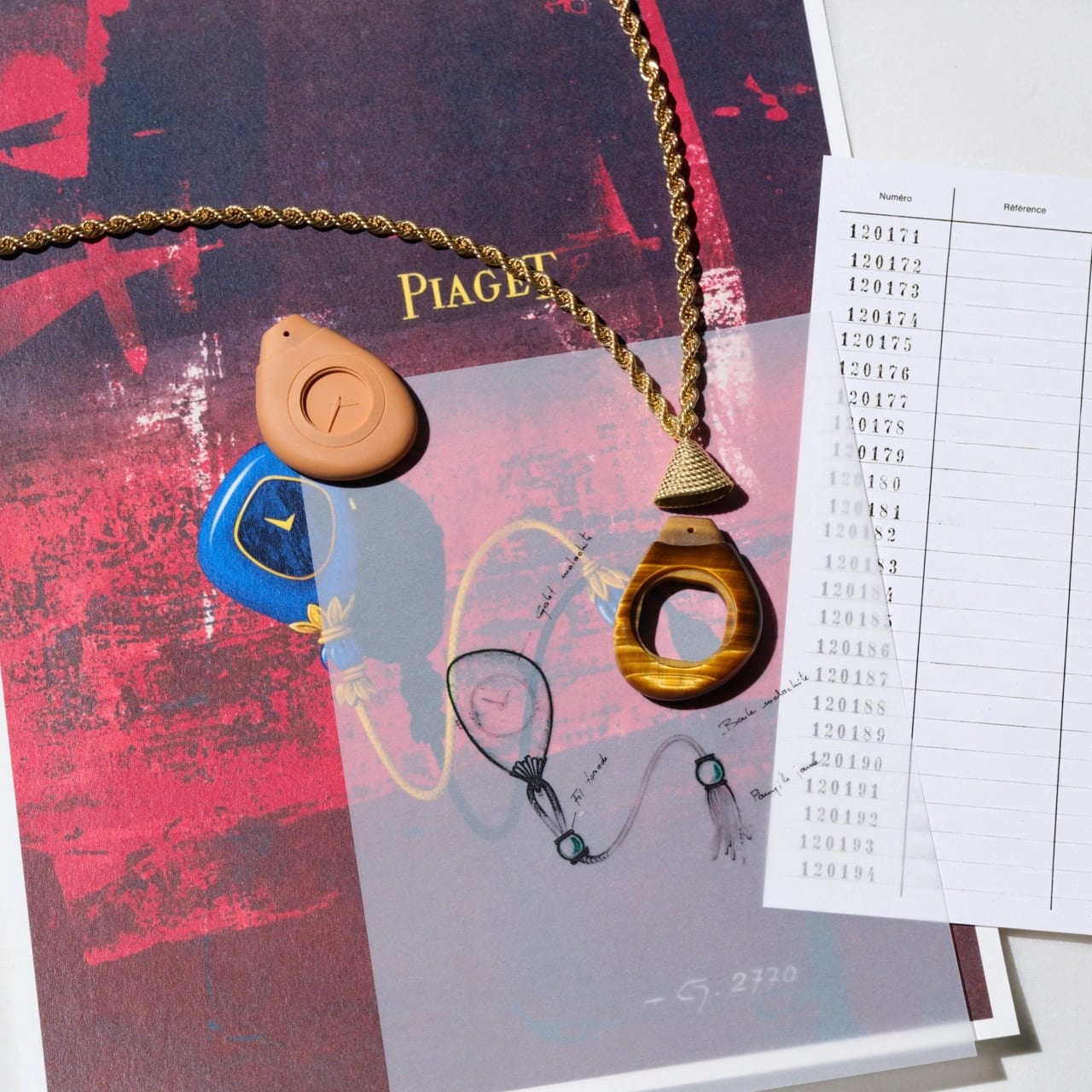
In 1969, Piaget’s 21st Century Collection changed the way the world looked at time. Cuff watches and long sautoirs were conceived not simply as instruments to tell the hour, but as wearable works of art. Time was liberated from the wrist, transformed into a swinging expression of movement and colour that drew on Piaget’s mastery of goldwork, ornamental stones and daring design. These early Swinging Sautoirs became signatures of the Maison’s free-spirited artistry, flowing with the body and catching the light with every gesture.
Throughout the 1970s, Valentin Piaget collaborated with visionary designers such as Jean-Claude Gueit to further push this language of movement. The house crafted one-of-a-kind creations for a clientele drawn to distinction, joyful creativity and audacity. Shapes, colours and textures were designed to be felt as much as seen, with sautoirs and cuffs forming a tactile, emotional connection with their wearer. Yves Piaget summed up this philosophy succinctly: “A watch is first and foremost a piece of jewellery.”
Within this creative momentum, Piaget experimented with unusual forms, from soft Kimono pocket watches sculpted in malachite in 1974 to pieces shaped like coins, ingots and envelopes. Everyday motifs were elevated into precious objects, while fluid gold chains and ornamental stone dials became an unmistakable Piaget signature. This spirit of experimentation and movement provides the foundation for the new Swinging Pebbles unveiled for Watches and Wonders 2026.
The Swinging Pebbles Sautoirs
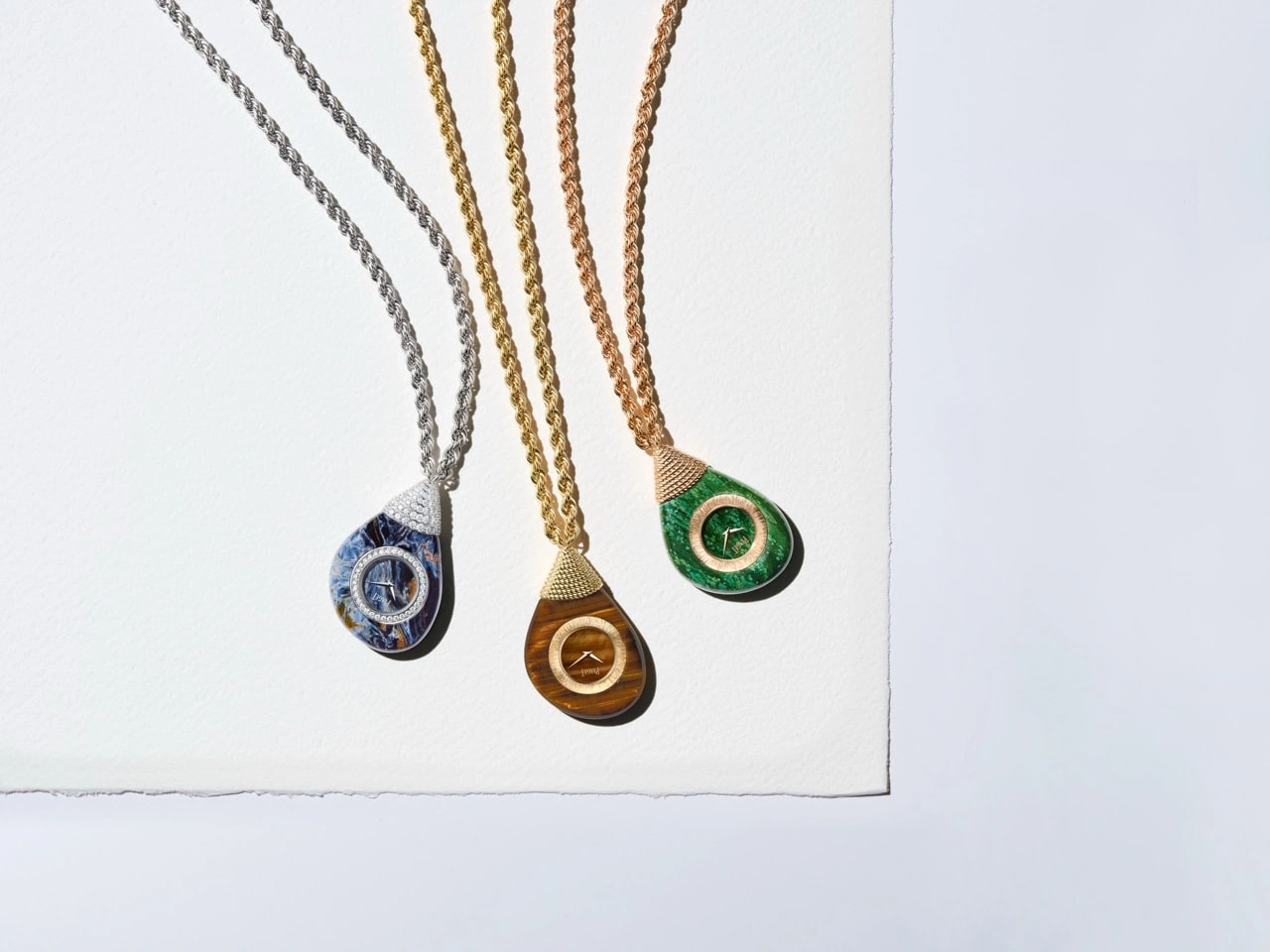
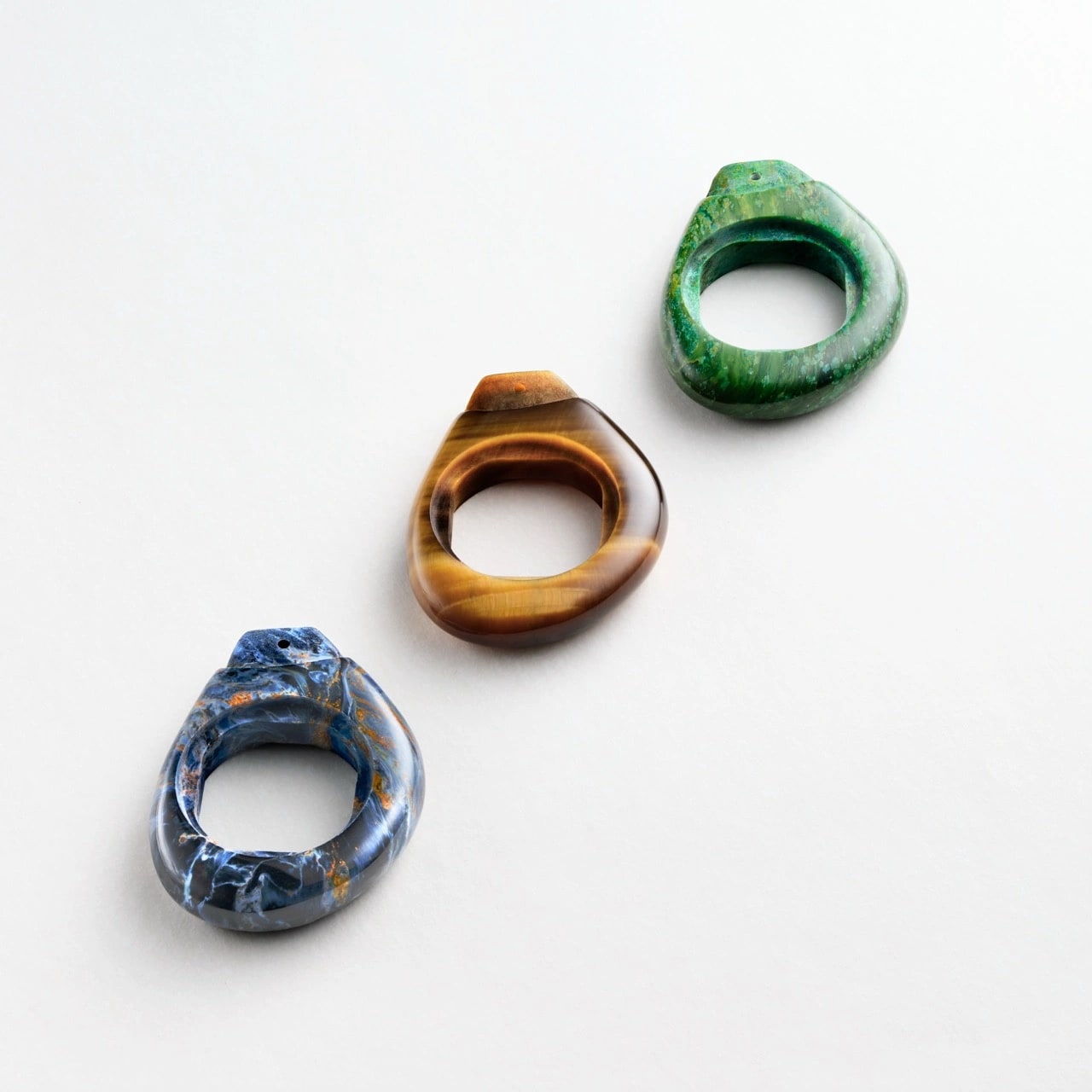
Swinging Pebbles represents a contemporary chapter in this narrative. Each pendant watch is hewn from a single slice of ornamental stone—tiger’s eye, verdite or pietersite—then delicately hollowed to receive a Manufacture movement. Once closed, the stone forms a seamless, smooth pebble case that sits in the palm or against the body with an organic ease. The sensation recalls Piaget’s historic pebble shapes, conceived to fit naturally in the hand and to express an instinctive, tactile relationship with time.
Suspended from a sinuous, twisted gold chain, every Swinging Pebbles sautoir moves with the wearer, translating time into rhythm and dance. The chain itself is a tribute to Piaget’s long-standing expertise in goldsmithing and chainmaking, disciplines that have enabled the Maison to create fluid, luminous links for daily life. Here, that savoir-faire frames the depth and character of the ornamental stones, enhancing their natural patterns while preserving an impression of lightness.
Reinterpreted with a modern sensibility, Swinging Pebbles offers a refined entry into Piaget’s world of artistry and movement. The pieces are bold yet considered, joyfully unconventional yet rooted in the Maison’s heritage. By blurring the boundaries between jewellery and watchmaking, the collection continues Piaget’s legacy of innovation while bringing the free spirit of the 1970s into a contemporary context.
Mastery Igniting Artistry
Behind Swinging Pebbles lies a lineage of technical and artistic achievement that stretches back to 1874. From his first workshop in La Côte-aux-Fées, Georges-Edouard Piaget dedicated himself to high-precision movements, foundations that would later support some of the thinnest calibres in watchmaking. In the late 1950s, Piaget’s ultra-thin movements became a hallmark of the Maison and the cornerstone of the Altiplano collection, establishing a reputation for slim, elegantly engineered timepieces.
That same pursuit of excellence permeates the Ateliers de l’Extraordinaire, where rare crafts are preserved and refined across generations. Gold, ornamental stones and precious gems are transformed into pieces that unite technical rigour with creative freedom. Swinging Pebbles reflects this duality: a Manufacture movement nestled within a meticulously carved stone, hanging from a chain that has been worked for suppleness, radiance and comfort.
Across its collections—Altiplano, Piaget Polo, Limelight Gala, Possession, Piaget Sunlight, Piaget Rose and Extremely Piaget—the Maison continues to champion daring creativity. Swinging Pebbles sits naturally within this portfolio, affirming Piaget’s conviction that time can be an artistic medium. Shapes, materials and motion come together not to follow convention, but to articulate a distinctive vision of what a watch can be today.
Why It Matters
For discerning collectors in the Middle East, Swinging Pebbles offers a nuanced expression of luxury that unites jewellery, craftsmanship and timekeeping in a single gesture. The emphasis on ornamental stones, sculpted gold and movement resonates with a regional appreciation for tactile, statement pieces that remain refined enough for daily wear.
To explore more of Piaget’s latest creations and tailored releases for our region, speak with your preferred boutique advisor or register your interest with our editorial team to stay ahead of forthcoming launches.
Frequently Asked Questions
What materials are used in the Piaget Swinging Pebbles collection?
Each pendant watch is carved from a single slice of ornamental stone—tiger’s eye, verdite, or pietersite—and suspended from a twisted gold chain. The stone is delicately hollowed to house a Manufacture movement inside.
How does Swinging Pebbles connect to Piaget’s 1970s heritage?
The collection reinterprets Piaget’s iconic 1969 Swinging Sautoirs from the 21st Century Collection, which liberated time from the wrist and transformed it into wearable art. The new pebble-shaped cases recall the organic design language from that era, while the twisted gold chains continue Piaget’s mastery of chainmaking and goldsmithing.
What is the design philosophy behind Piaget’s Swinging Pebbles?
The collection blurs boundaries between jewellery and watchmaking, with each piece designed to be felt as much as seen. The smooth pebble case sits naturally in the palm and moves with the wearer’s body, translating time into rhythm and dance while honoring Yves Piaget’s principle that a watch is first and foremost a piece of jewellery.