What Sets It Apart
- Eleven one-of-a-kind pieces — six necklaces and five pairs of earrings — each conceived from a singular exceptional gemstone that determined the form, palette and structure of the finished jewel.
- Centrepiece stones range from a 67-carat rubellite in the Etnara necklace to a 48.12-carat Zambian emerald cabochon in the Panthère Tunya.
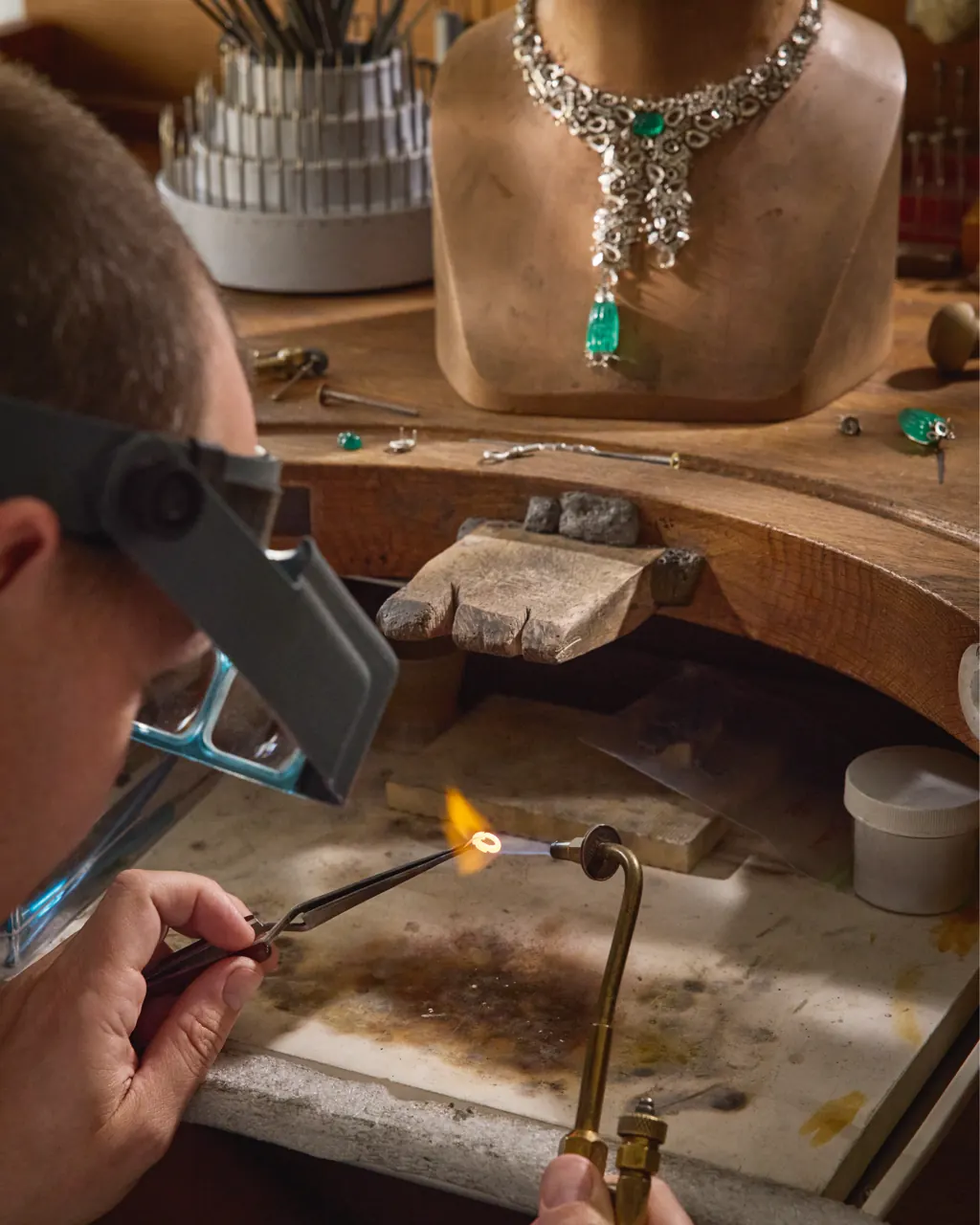
- The Tutti Chaya necklace alone required nearly 2,000 hours of handwork, with 1,400 hours devoted to goldsmithing.
- Materials span white gold, platinum, yellow gold and rose gold, combined with Ceylon sapphires, Colombian emeralds, rubellites, turquoise, blue spinels and brown diamonds.
The Stone as Author
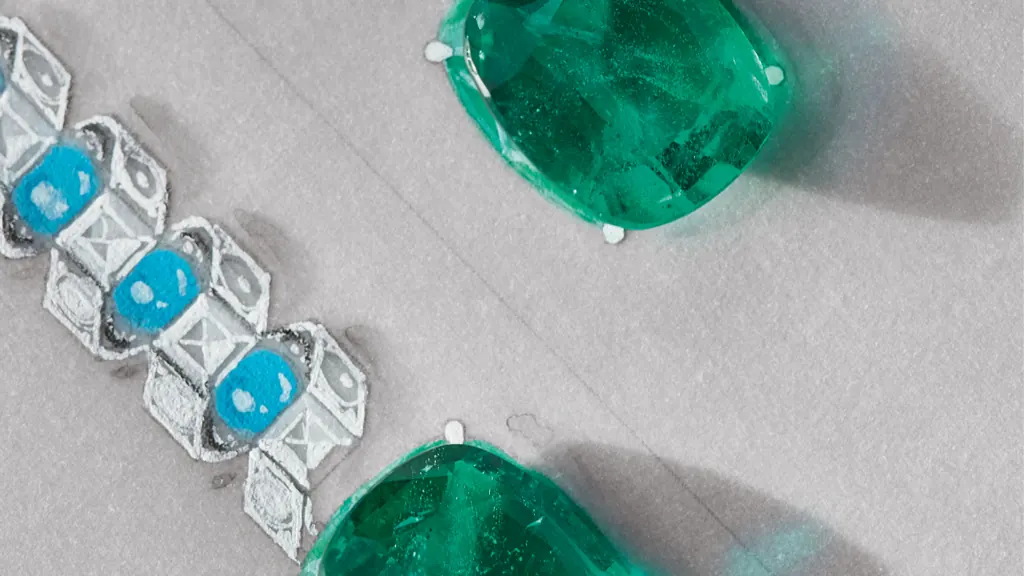
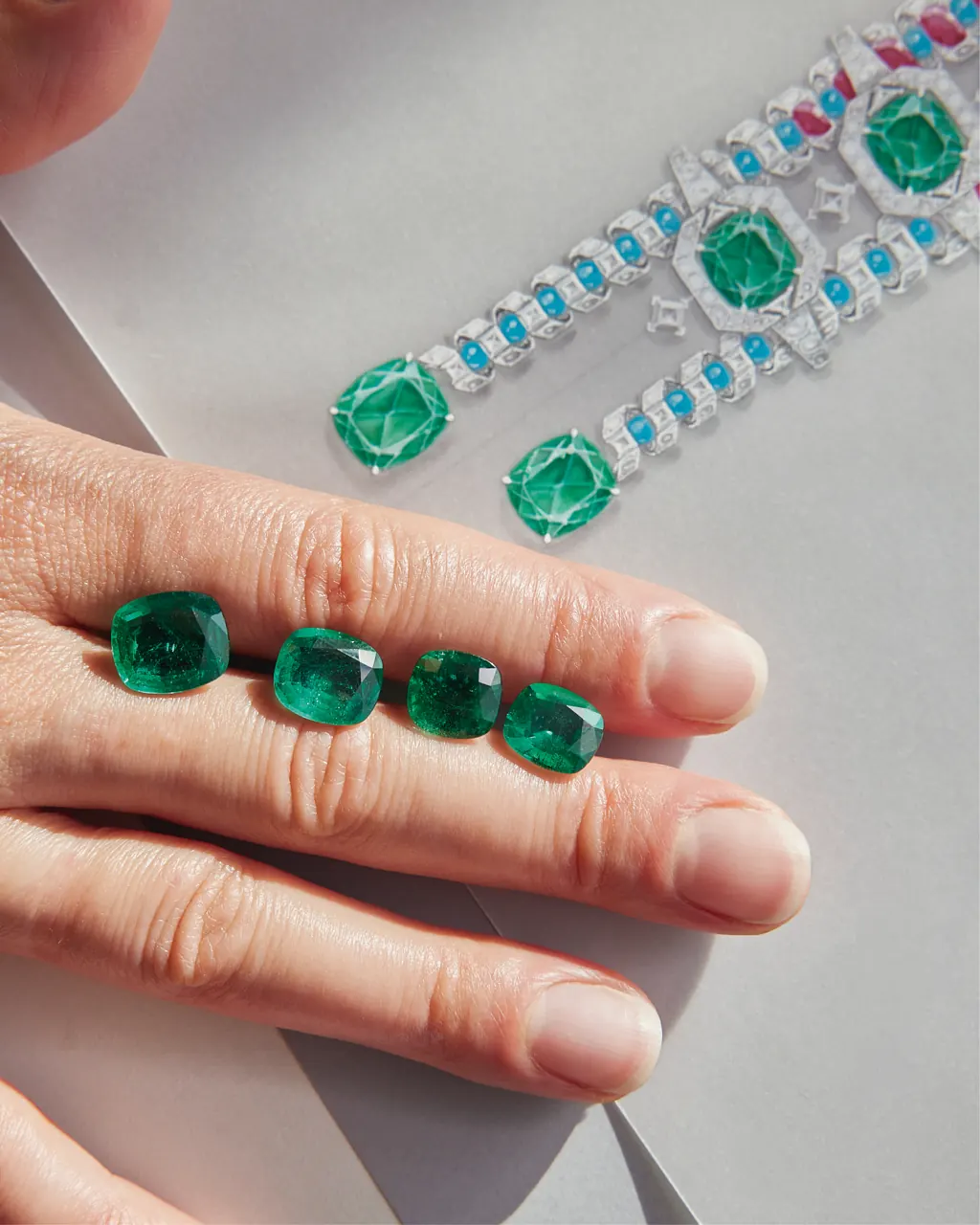
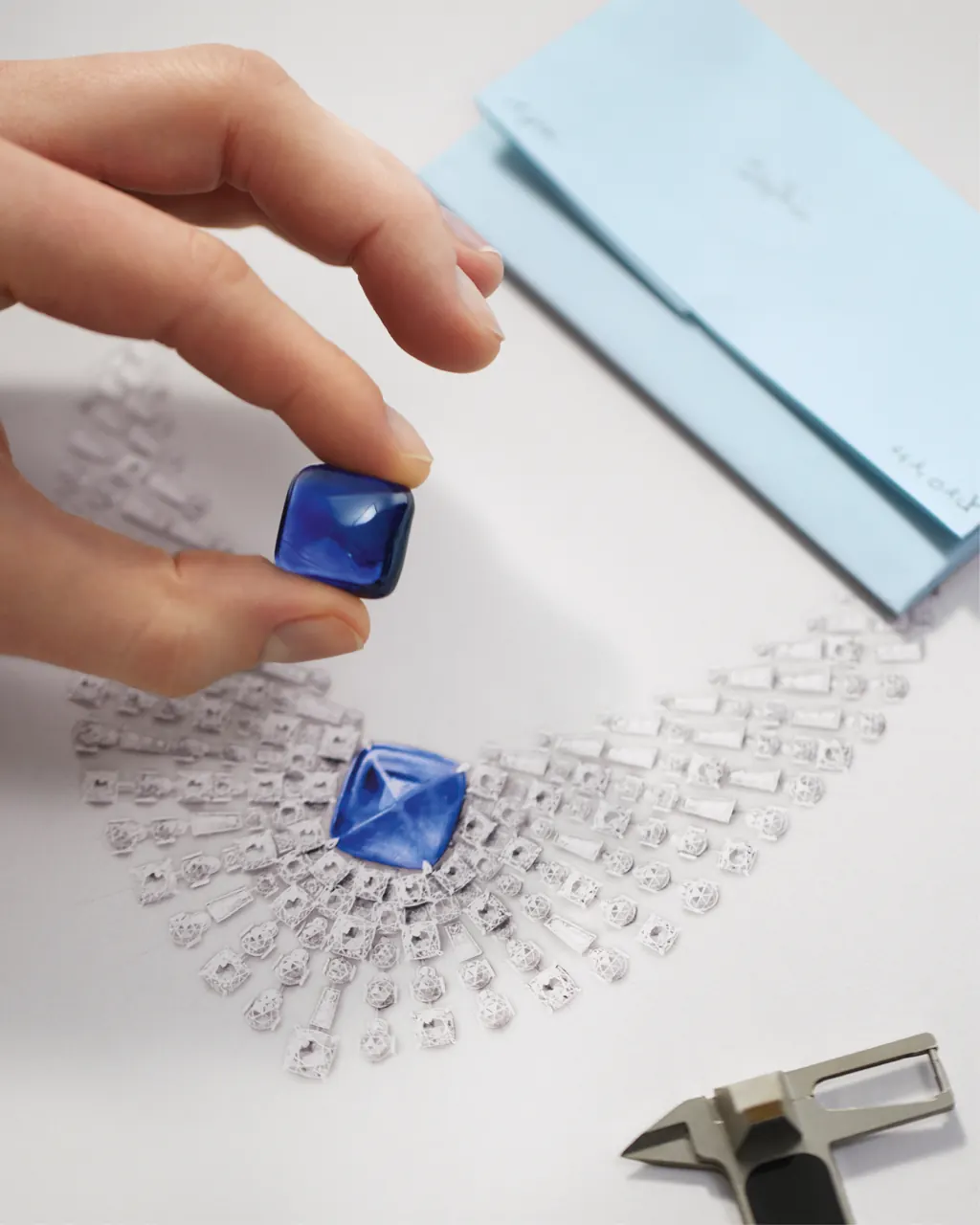
At Cartier, the gemstone precedes every other decision. No sketch begins without a stone already chosen, already present on the designer’s table. This is the founding logic of Le Cœur des Pierres, and it produces jewels that are genuinely stone-specific rather than generically composed.
Jacqueline Karachi-Langane, Director of High Jewellery Creation at Cartier, articulates this precisely: “Letting a stone speak is to recognise in it a memory of the world, a beauty shaped by time and imbued with eternity. The creation serves the stone, revealing its nuances, its brilliance, its sparkle and its inner vibration.”
This methodology runs through every piece in the collection. The Stellara necklace, for instance, exists because of a 41.01-carat Ceylon sapphire — its powerful energy demanded a graphic, geometric response in white gold and diamonds. The Etnara necklace unfolds entirely from a 67-carat rubellite whose volcanic depth determined the choice of yellow gold, the placement of matched rubellites and the topazes that separate them like sparks.
Colour, Structure and the Craft Behind It
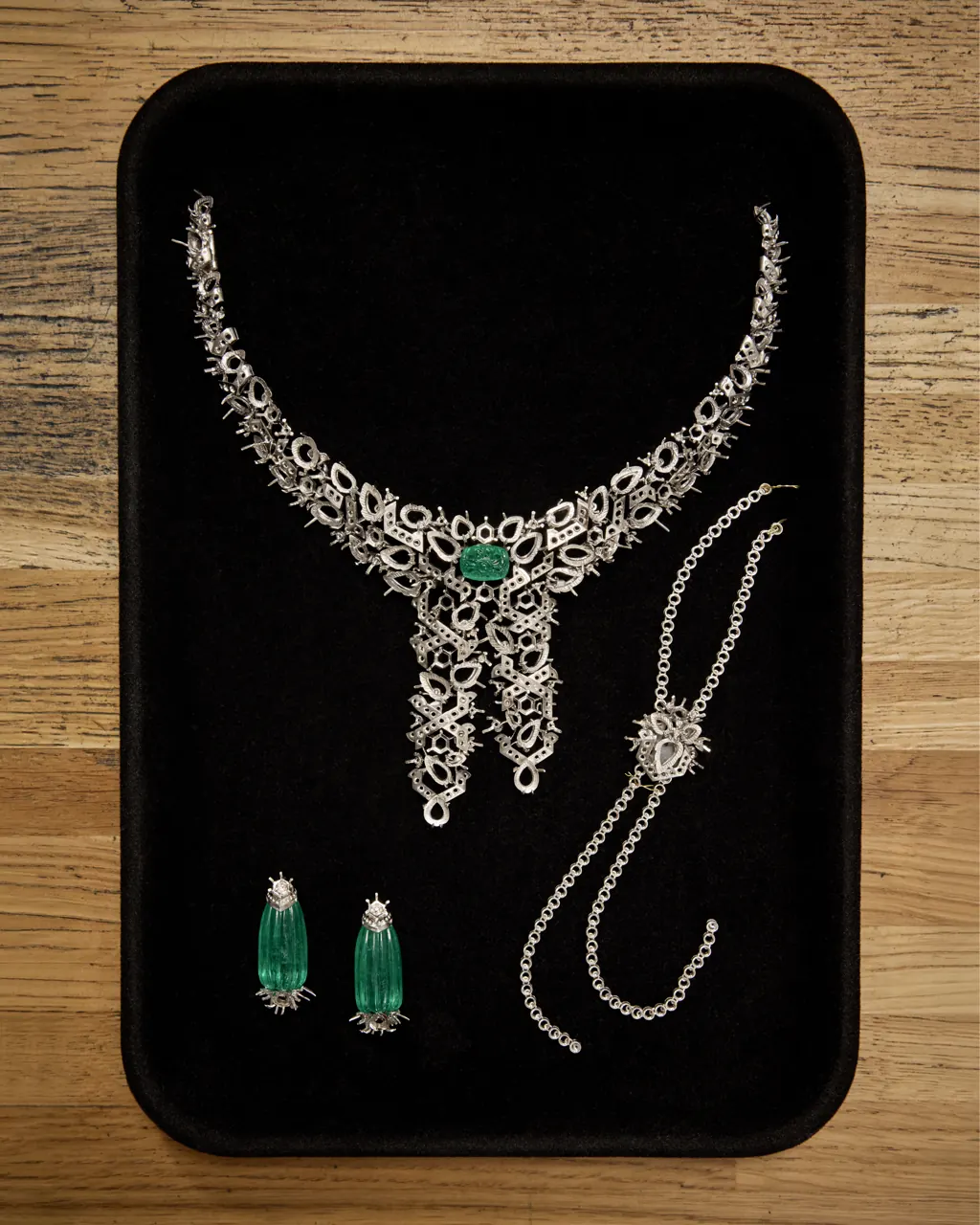
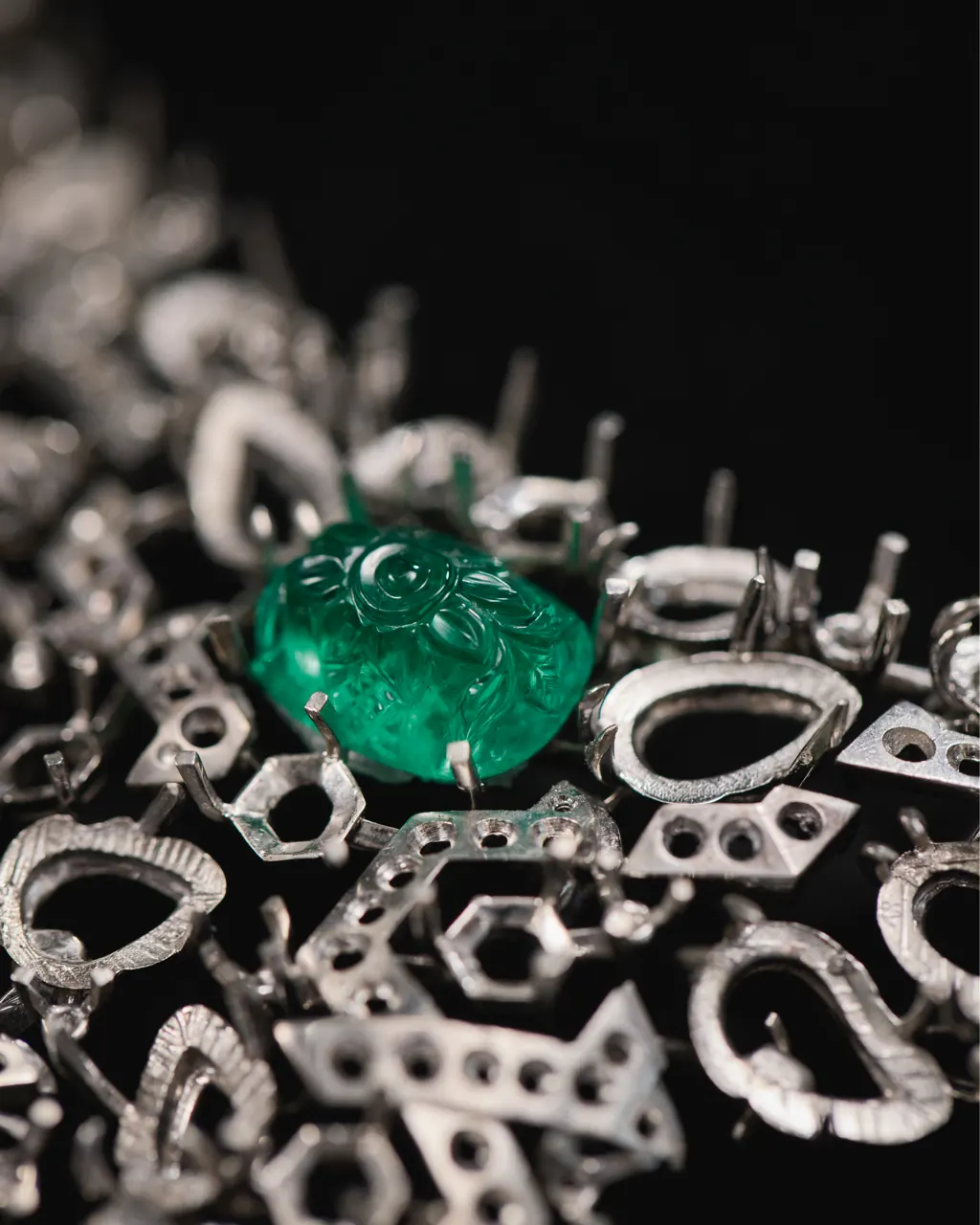
Le Cœur des Pierres addresses colour as architecture. In the Fibria necklace, rubies and turquoise open a two-strand braid before giving way to diamonds; five emeralds anchor the composition, two finishing the asymmetrical strands and three building toward a central crescendo. The Tutti Chaya necklace pursues the Maison’s Tutti Frutti vocabulary — active since the mid-1920s — with a diamond-paved geometric mesh accented by rubies, emeralds and sapphires, finished with two ribbed Colombian emeralds totalling 56.97 carats and a reverse side treated as carefully as the front.
Structure, across this collection, is never merely supportive. The Polydroma necklace transforms diamonds into an architectural mesh drawn from urban geometry. The Tipaza necklace applies three rows of ruby beads and a stringing technique to produce movement from nothing but the interplay of stones — two 7.36-carat briolette diamonds completing the descent.
The Earrings
Five pairs of earrings extend the collection’s logic to the ear. The Drosera encloses 18 rubies totalling 28.44 carats within diamond-paved cavities that wrap the earlobe. The Ojai inverts convention, placing its arrangement of 18 pink and orange sapphires (24.12 carats) at the top of the ear, with gemstones falling in droplets held by diamond twigs. The Patella begins from two brown diamonds totalling 11.32 carats, set pavilion-outward so their brilliance radiates through a pattern of white and brown stones beneath. For Middle East collectors familiar with the Cartier Haryana necklace and the broader programme presented at Watches and Wonders, these pieces confirm the same editorial conviction: the jewel is resolved only when the stone has been fully heard.
Full details of the collection are available on Cartier‘s official high jewellery pages.
Discover the jewellery shaping the Middle East market. Join our mailing list for ongoing reviews, releases, and collector insights.
Frequently Asked Questions
What is the Cartier Le Cœur des Pierres collection?
Le Cœur des Pierres is a Cartier high jewellery collection in which each piece is conceived around a specific exceptional gemstone. The collection includes six necklaces and five pairs of earrings, each named and built from a singular stone that guided its design.
How large is the central stone in the Cartier Panthère Tunya necklace?
The Panthère Tunya necklace is centred on a 48.12-carat Zambian emerald cabochon, accompanied by nine cushion-cut Fancy Yellow diamonds totalling 10.91 carats and a cascade of emerald beads.
How many hours of work went into the Cartier Tutti Chaya necklace?
The Tutti Chaya necklace required nearly 2,000 hours of work, approximately 1,400 of which were devoted to goldsmithing, all completed entirely by hand in keeping with Cartier High Jewellery tradition.
Which gemstones appear in the Cartier Etnara necklace?
The Etnara necklace is built around a 67-carat rubellite centre stone, with two symmetrical rows of matched rubellites separated by topazes and set in yellow gold with diamonds.
Who is the Director of High Jewellery Creation at Cartier?
Jacqueline Karachi-Langane holds the role of Director of High Jewellery Creation at Cartier, with Alexa Abitbol serving as Director of the High Jewellery Workshops.