Introduction to Artistic Watchmaking
The world of luxury watches continues to evolve, integrating artistry and innovation in equal measure. One significant moment in this realm is the collaboration between watchmakers Fiona Krüger and Denis Flageollet. Their partnership produced creations that marry high-end watchmaking with artistic expression, questioning how timepieces function as objects of contemplation rather than mere instruments.
Fiona Krüger: A Visionary Watchmaker
Fiona Krüger approaches watch design through the lens of contemporary art, employing bold color palettes and sculptural forms that depart from traditional horological aesthetics. Her philosophy treats watches as art objects first—functional instruments second. She rejects the notion that a timepiece must adhere to classical watchmaking conventions, instead positioning each creation as a statement about time itself.
Denis Flageollet and the DE BETHUNE Legacy
Denis Flageollet founded DE BETHUNE, a brand known for its technical innovations and hand-finishing standards. The manufacture has earned recognition for advancing watchmaking through proprietary calibres and non-traditional materials. Flageollet’s willingness to challenge industry norms aligns directly with Krüger’s artistic ambitions, creating a natural foundation for collaboration.
The Mystery Box: Forget Time
The collaboration centers on a concept titled “Mystery Box: Forget Time,” which reframes how collectors engage with timekeeping. Rather than emphasizing precision or accuracy, these pieces invite contemplation of temporal perception itself. The watches operate as functional art that distances the wearer from clock-watching.
Unique Features of Their Creations
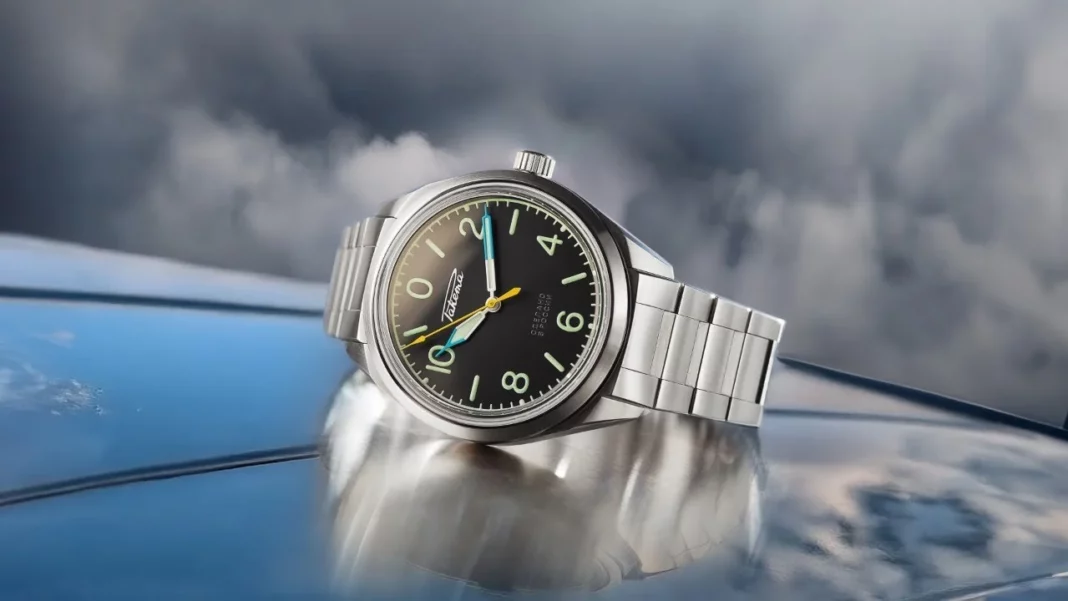
The watches employ hand-applied details, unconventional dial finishes, and experimental case materials that distinguish them within the luxury segment. Color combinations and surface treatments reflect visual art practices—lacquer work, custom patinas, sculptural hands—making each piece a discrete object with its own visual language. The mechanical movements remain fully functional, ensuring these timepieces perform as watches despite their primary identity as artworks.
Conclusion: A New Era in Timepieces
The Krüger-Flageollet collaboration marks a turning point in how luxury watch manufacture addresses artistic intention. By positioning technical excellence alongside visual experimentation, they have produced a body of work that appeals to collectors pursuing watches beyond conventional horological categories. For those seeking timepieces that function as contemporary art objects, this collaboration warrants direct examination.
To discover more timepieces from DE BETHUNE, click here to explore DE BETHUNE collections at WATCHESPEDIA.
Frequently Asked Questions
What is the collaboration between Fiona Krüger and Denis Flageollet known for?
Their collaboration has produced luxury timepieces that blend watchmaking craftsmanship with artistic expression, centering on the concept “Mystery Box: Forget Time,” which challenges conventional timekeeping perception. Each watch features hand-applied details, experimental materials, and custom finishes that position it as a discrete art object while maintaining full mechanical function.
Who is Denis Flageollet and what is his connection to DE BETHUNE?
Denis Flageollet founded DE BETHUNE, a manufacture recognized for proprietary calibres and technical innovation within luxury watchmaking. His approach to challenging industry conventions proved compatible with Fiona Krüger’s artistic vision, forming the basis of their collaborative work.
What is Fiona Krüger’s approach to watch design?
Fiona Krüger draws from contemporary art practice, employing bold color palettes and sculptural forms that deviate from traditional horological design. She prioritizes the watch as an art object, treating functional timekeeping as secondary to visual and conceptual intent.