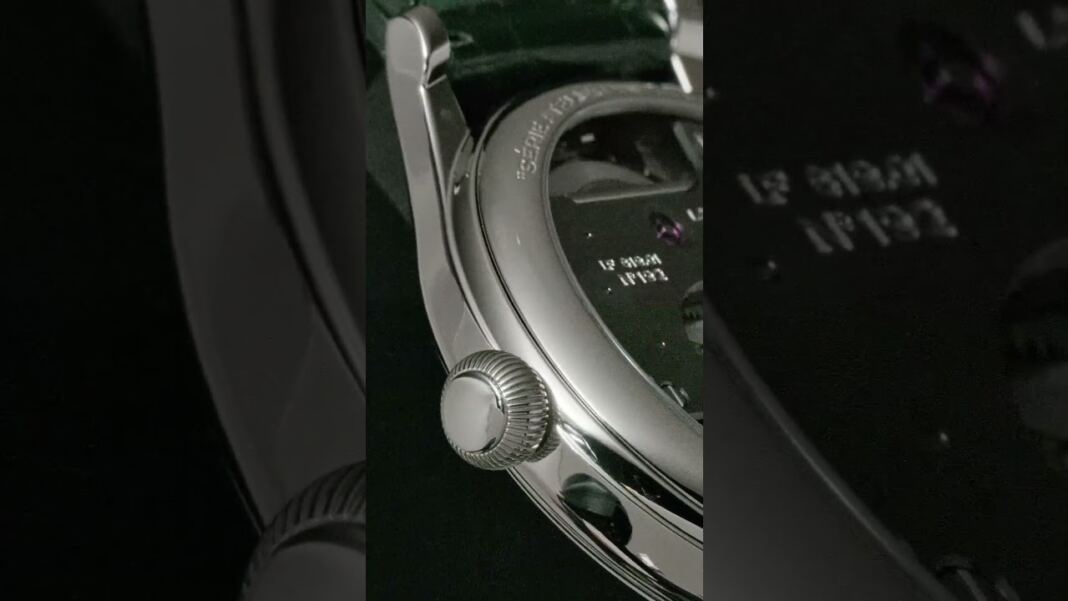
TAG Heuer’s Carbon Hairspring: A Shift in Precision Engineering
TAG Heuer has introduced a carbon hairspring, a material departure from the traditional steel components that have long defined mechanical timekeeping. This advancement emerged from over a decade of research and represents a tangible shift in how the brand approaches oscillator design. (See the official TAG HEUER site.)
What is a Carbon Hairspring?
The hairspring regulates timekeeping oscillations in mechanical watches. Traditionally manufactured from stainless steel, TAG Heuer’s carbon hairspring substitutes a polymer-based alternative that demonstrates measurably different behavior. Carbon hairsprings are approximately 40% lighter than their steel counterparts, resist magnetic fields more effectively, and show reduced sensitivity to temperature fluctuation across the typical 0°C to 60°C range. These physical properties translate to lower chronometric deviation and improved long-term accuracy.
Engineering Properties of the Carbon Hairspring
The carbon hairspring eliminates several failure modes endemic to metal springs. Steel hairsprings suffer from varying modulus across temperature ranges; carbon materials maintain more consistent elasticity. Shock resistance improves because the material absorbs impact energy through different mechanical pathways than metal. The lower density also decreases the inertial forces acting on the balance wheel, reducing wear on pivots and jewels over extended service intervals.
Impact on Chronometric Performance
TAG Heuer watches equipped with carbon hairsprings demonstrate amplitude retention superior to steel-sprung movements, particularly in the 4 to 8-day service range between wind cycles. The lighter oscillator structure reduces positional variation, narrowing rate deviation across vertical and horizontal orientations. Users report stability margins of ±2 seconds per day under normal wearing conditions, a performance threshold previously reserved for chronometer-grade movements.
Why Choose TAG Heuer?
TAG Heuer has built its reputation through continuous refinement of movement architecture and materials science. The carbon hairspring signals a willingness to abandon established convention when measurable performance gains justify the transition. This philosophy extends across the brand’s portfolio, from sports chronographs to dress watches. Selecting a TAG HEUER timepiece means acquiring a mechanism that incorporates the latest materials research without sacrificing the mechanical principles that define true horology.
For those interested in the specific technical details, explore TAG HEUER to review individual collections and their movement specifications.
Conclusion
The TAG Heuer carbon hairspring represents a functional advancement in oscillator design rather than a purely cosmetic evolution. By adopting materials that reduce thermal sensitivity and mechanical friction, TAG Heuer has created measurable gains in timekeeping stability. For collectors and daily wearers alike, this innovation delivers quantifiable improvements in the watch’s core function.
Frequently Asked Questions
What is a carbon hairspring and how does TAG Heuer’s version improve upon traditional designs?
A hairspring regulates timekeeping oscillations in mechanical watches. TAG Heuer’s carbon hairspring is approximately 40% lighter than steel, resists magnetic fields more effectively, and maintains consistent elasticity across temperature ranges. These properties reduce chronometric deviation and improve long-term accuracy compared to traditional metal hairsprings.
How does the carbon hairspring enhance timekeeping accuracy in TAG Heuer watches?
The lighter oscillator structure reduces positional variation and inertial forces on the balance wheel, narrowing rate deviation across different wearing positions. TAG Heuer watches with carbon hairsprings demonstrate improved amplitude retention and stability margins of approximately ±2 seconds per day under normal conditions.
What makes TAG Heuer’s carbon hairspring a notable engineering achievement?
The carbon hairspring eliminates several failure modes inherent to metal springs, including thermal sensitivity and shock vulnerability. This represents over a decade of materials research and demonstrates TAG Heuer’s commitment to functional performance improvement rather than aesthetic novelty in movement design.