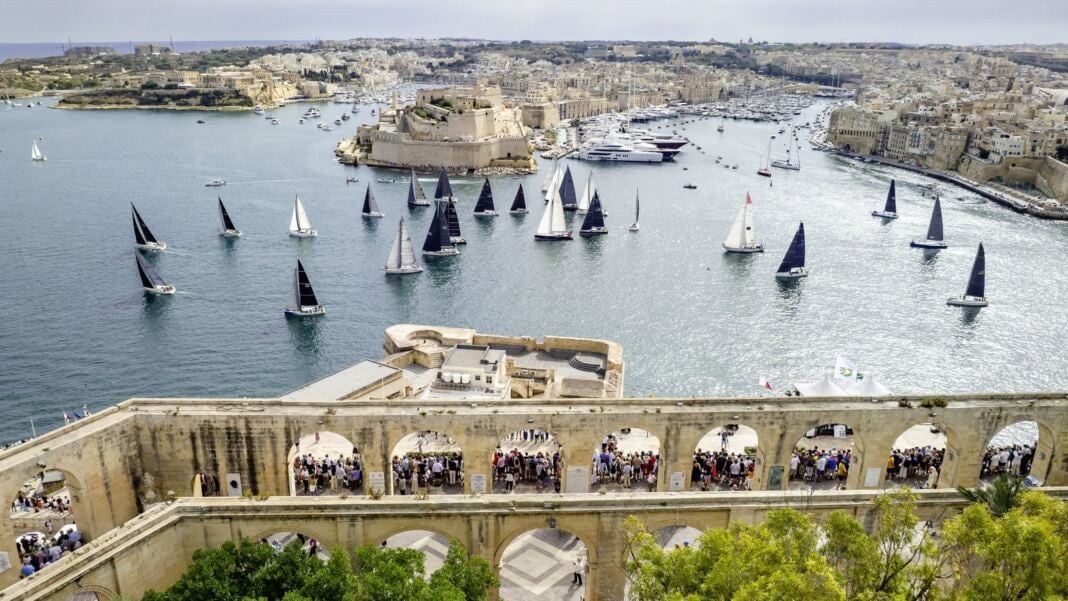
On Saturday 17 October, the 47th Rolex Middle Sea Race leaves Malta for 606 nautical miles around Sicily, past Stromboli and the Aeolian Islands. Rolex has accompanied it as Title Sponsor since 2002.
For more than half a century, the Rolex Middle Sea Race has drawn offshore sailors to the central Mediterranean for a rare pairing: one of the most beautiful courses in the sport, and a test that asks everything of the crews who take it on. The scenery is part of the appeal. The deeper draw is its character, which changes with every edition. This year’s fleet gathers a remarkable diversity of yachts and crews, all sharing one ambition: to complete one of offshore sailing’s most celebrated races.
Rolex at a Glance
- Headquartered in Geneva, Rolex is an integrated and independent Swiss watch manufacture that designs and produces the majority of its components at four sites in Switzerland.
- The Oyster, the brand’s first waterproof wristwatch, arrived in 1926, followed in 1931 by the Perpetual rotor self-winding mechanism.
- The Maison has registered more than 700 patents, and the word SUPERLATIVE is inscribed on every Oyster watch.
- Rolex has championed yachting since the late 1950s and is today Title Sponsor of 15 major international events.
- Its Title Sponsorship of the Rolex Middle Sea Race, organised by the Royal Malta Yacht Club, dates from 2002.
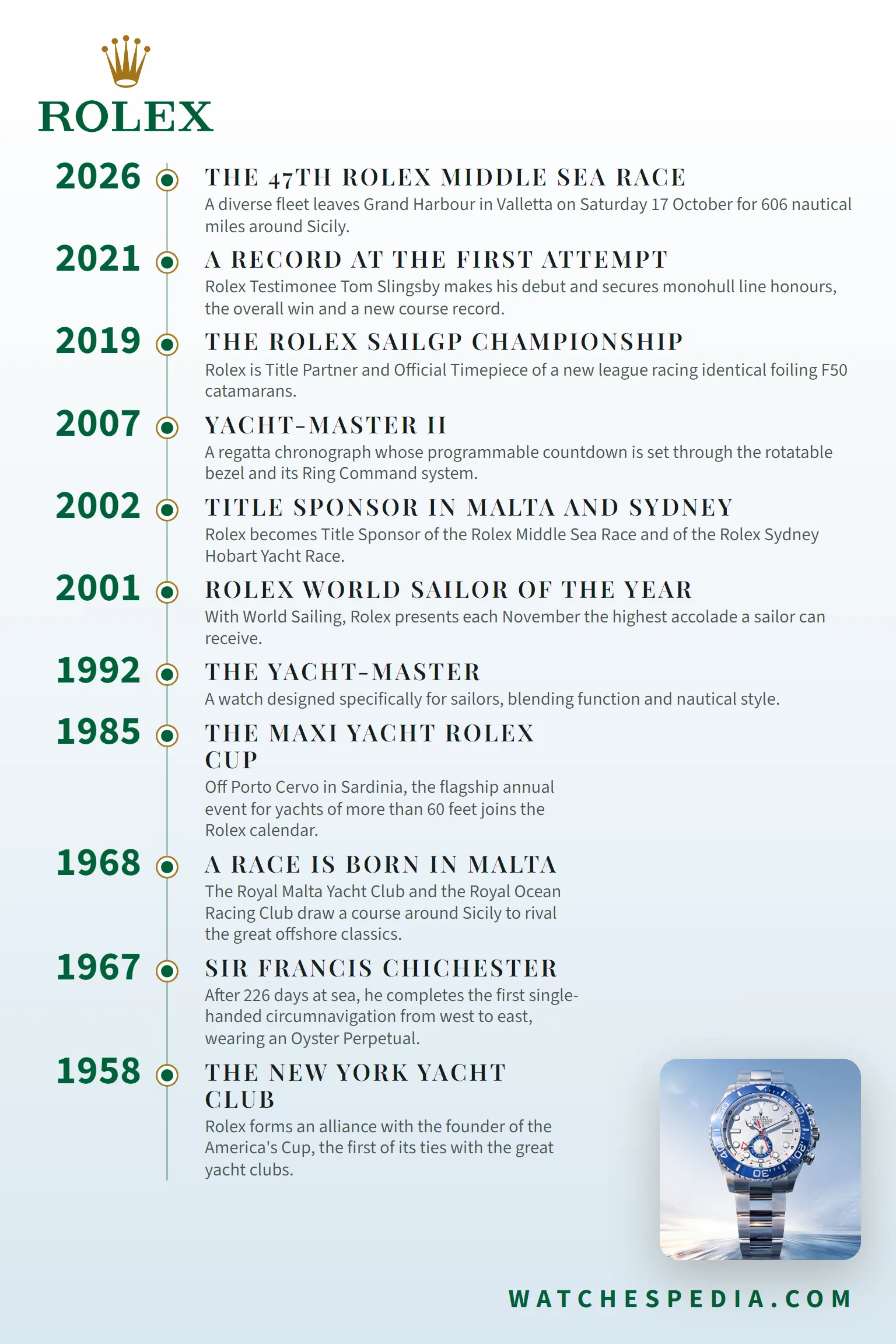
Rolex and Yachting, 1958-2026: Eleven Milestones
A Course Drawn to Rival the Great Offshore Classics
When the race was established in 1968, its founders set out to create a course that would stand alongside the great offshore contests, the Rolex Fastnet Race and the Rolex Sydney Hobart Yacht Race among them. The measure was length, and also the examination of skill, resolve and preparedness that defines a true blue-water classic.
The Royal Malta Yacht Club organises the race, and Rolex has been its Title Sponsor since 2002. For the Swiss watchmaker, present in yachting worldwide for almost 70 years, the partnership belongs to a wider commitment to offshore racing that began a quarter of a century ago and also includes the Rolex Sydney Hobart Yacht Race. The brand holds in high regard the challenges that inspire the participants, and the sense of accomplishment that follows once the finish line is crossed.
Around Sicily, Anti-Clockwise
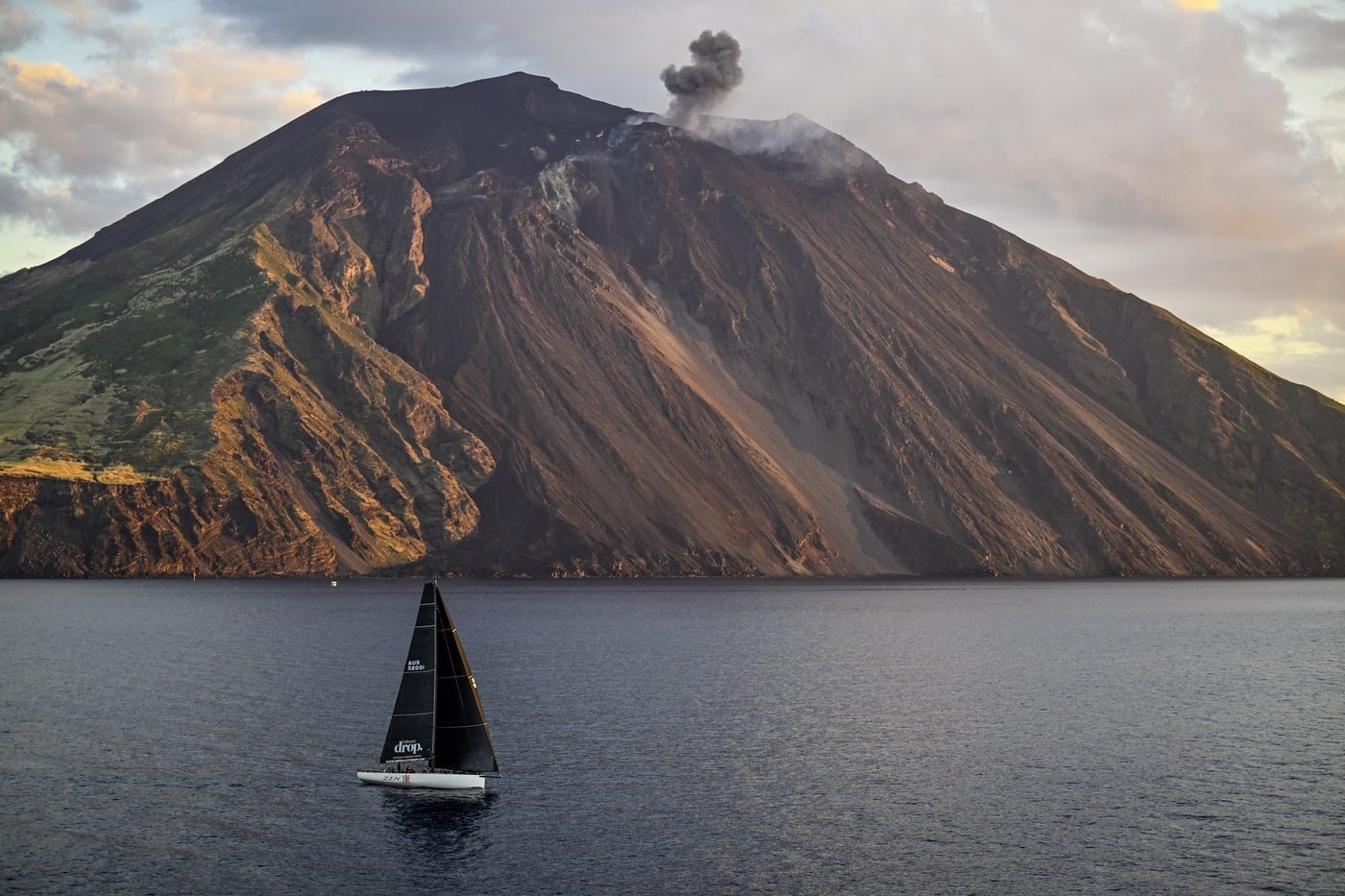
The route reads like a voyage through Mediterranean geography. From Grand Harbour in Valletta, the fleet sails north through the Strait of Messina, rounds the volcanic island of Stromboli and passes the Aeolian and Aegadian archipelagos, before returning to Malta by way of the isolated outposts of Pantelleria and Lampedusa.
The path stays the same from year to year; the puzzle it sets is new each time. The prevailing wind varies between editions, and conditions can change dramatically within a single race, calling for constant adaptation, precise navigation and close teamwork. Achievement here is measured as much by the way a crew answers the shifting circumstances as by the final result.
October, the Chosen Month
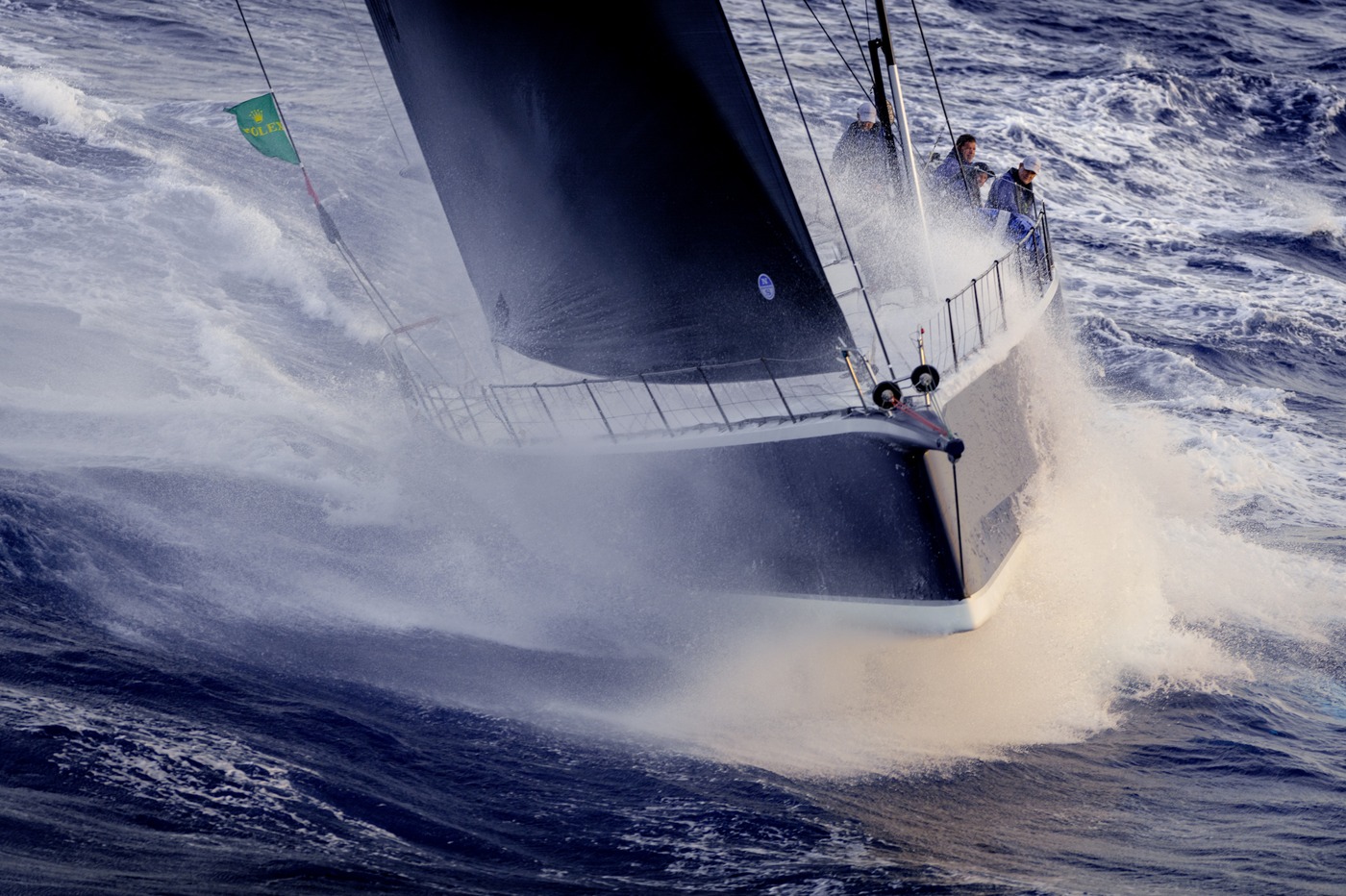
The date is deliberate. In the central Mediterranean in October, crews frequently meet strong winds and heavy seas, followed by periods of gentle calm. For the fastest boats, finishing within 48 hours is regarded as an exceptional run. Most of the fleet takes between three and six days, sailing out of sight of land for long stretches.
Careful management of resources, human and physical, is decisive, and the demands on crew and equipment are constant. The foundation of a successful race is laid many months in advance, in the hours devoted to training, maintenance and optimisation.
The Rolex Family at Sea
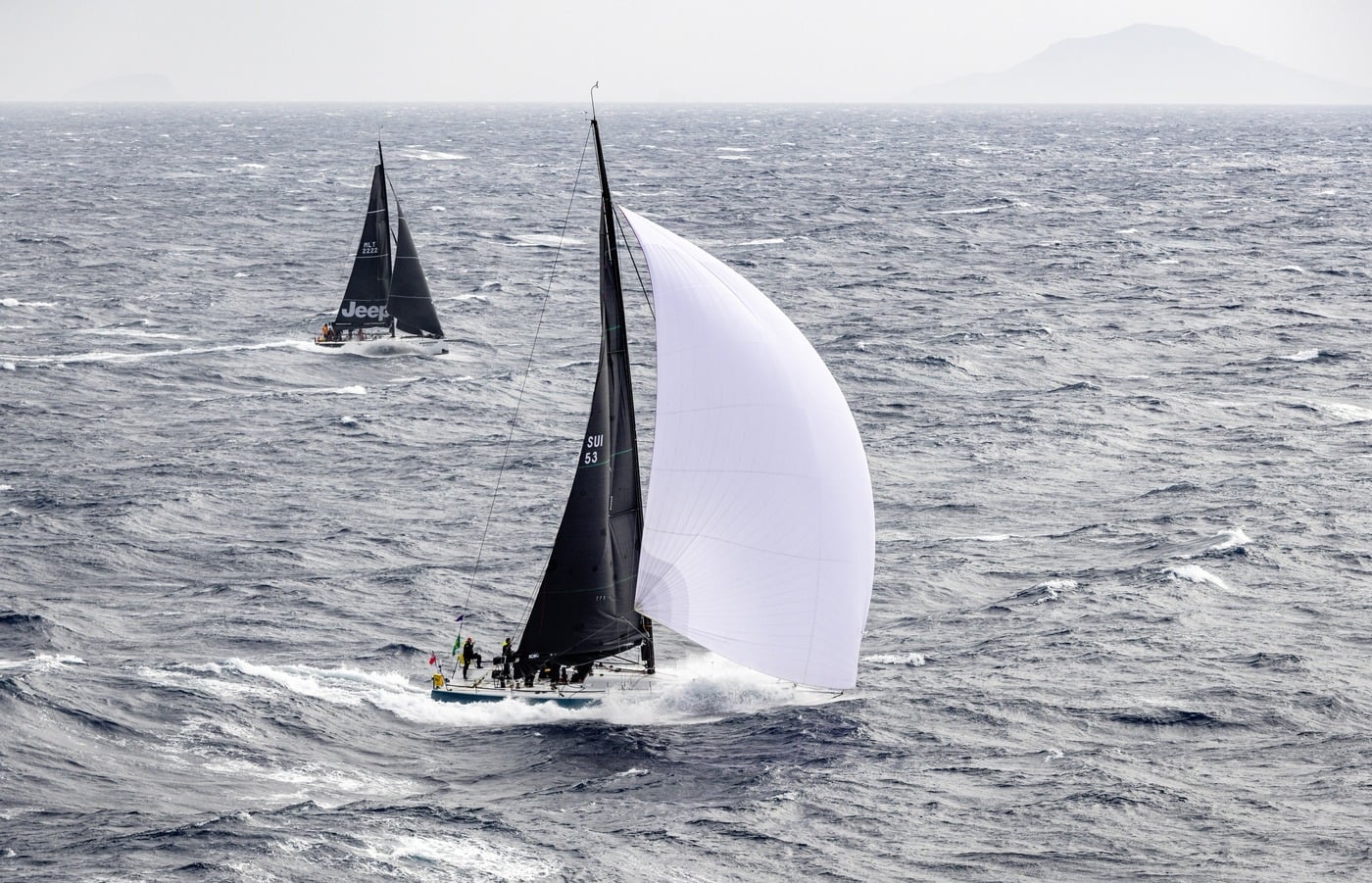
Rolex Testimonee Tom Slingsby, three times Rolex World Sailor of the Year, made his debut in 2021 and returned to Malta with monohull line honours, the overall victory and a new course record, set seven hours inside the previous mark. “It was unbelievable to see active volcanoes in the middle of the night,” he recalls, and he would gladly take the start again.
Paul Cayard, Rolex Testimonee and winner of the Whitbread Round the World Race, has raced all three of Rolex’s most renowned blue-water races. He sees a natural connection between the watchmaker and offshore sailing: “There is an alignment of DNA with the institutions that organize these distance races. Rolex’s presence enhances the sport through its appreciation of core values such as determination, excellence and resilience.”
That connection, which reaches back to Sir Francis Chichester’s single-handed circumnavigation, today spans the Rolex SailGP Championship, where athletes race identical foiling F50 catamarans, and partnerships with the New York Yacht Club, the Yacht Club Costa Smeralda, the Royal Yacht Squadron and the Royal Malta Yacht Club. In September, the same commitment gathered the fleet of the Rolex Swan Cup in Porto Cervo. Rolex retraces this heritage on its official website.
As the 47th edition sets sail, the long partnership between the Title Sponsor and the Royal Malta Yacht Club promises many future opportunities for sailors inspired to test themselves around Sicily.
Frequently Asked Questions
What is the Rolex Middle Sea Race and when does it take place?
The Rolex Middle Sea Race is a 606 nautical mile offshore sailing competition around Sicily that takes place in October each year. Rolex has been its Title Sponsor since 2002, and the race was established in 1968 by the Royal Malta Yacht Club to create a course that would stand alongside great offshore classics like the Rolex Fastnet Race and Rolex Sydney Hobart Yacht Race.
What makes the Middle Sea Race course unique compared to other offshore races?
While the physical route around Sicily remains the same each year—departing from Grand Harbour in Valletta, passing Stromboli and the Aeolian Islands, and returning via Pantelleria and Lampedusa—the conditions and challenges change with every edition. Prevailing winds vary between editions, and conditions can shift dramatically within a single race, requiring constant crew adaptation and precise navigation.
Why is October the ideal month for the Middle Sea Race?
In the central Mediterranean during October, crews typically encounter strong winds and heavy seas followed by periods of gentle calm, testing both seamanship and endurance. Most of the fleet completes the race in three to six days, with faster boats occasionally finishing within 48 hours, while extensive stretches out of sight of land demand careful management of human and physical resources.