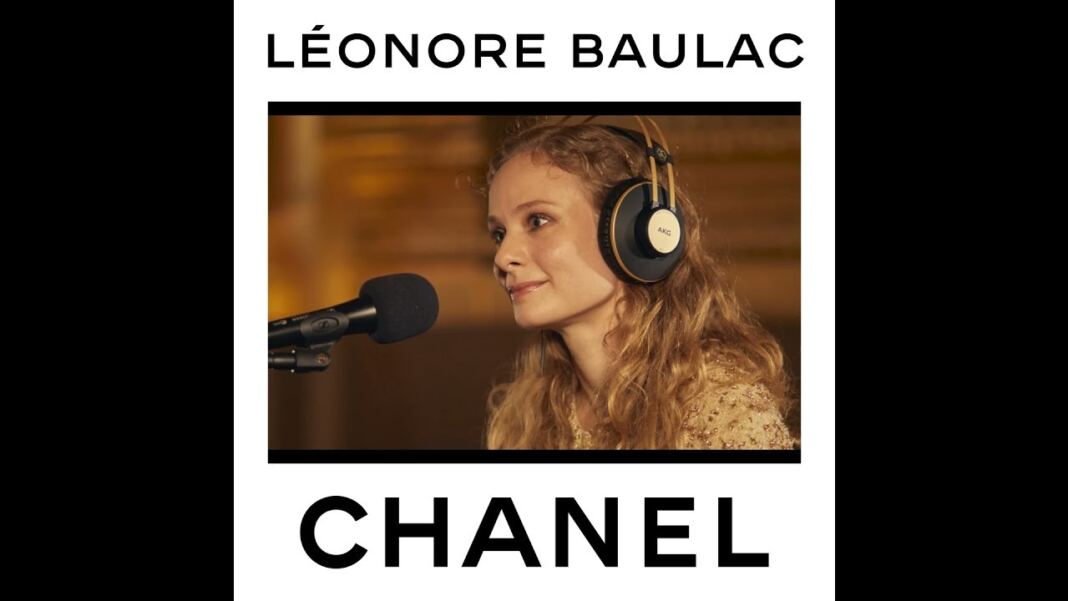
At the Opéra with Germain Louvet — A Celebration of CHANEL and Dance
Germain Louvet, principal dancer at the Opéra national de Paris, reached the company’s highest rank within eight years of joining. His performances have drawn widespread recognition for their technical precision and interpretive depth. Beyond the stage, Louvet has entered into collaboration with CHANEL, the luxury timepiece manufacturer, creating a partnership that unites the disciplines of classical dance and watchmaking. (See the official CHANEL site.)
The Intersection of Fashion and Dance
CHANEL has maintained a presence in luxury watchmaking through designs that emphasize material quality and case finishing. The brand’s engagement with the ballet world demonstrates how artistic disciplines inform one another. Louvet’s collaboration brings visibility to both the technical demands of professional dance and the engineering precision required in contemporary horology, revealing common ground between two fields separated by medium but united by formal discipline.
A Masterclass in Elegance
This collaboration rests on shared principles of refinement and technical mastery. CHANEL watch designs reflect the same structural discipline found in classical ballet training: precise proportions, balanced composition, and attention to surface finishing. Louvet’s practice regimen—hours of repetition to achieve flawless execution—parallels the iterative development process behind each CHANEL timepiece, where movement calibration and case alignment demand equivalent rigor. Both domains reward those who have internalized their technical foundations so thoroughly that execution appears effortless.
The CHANEL Watch Experience
A CHANEL watch functions as both functional instrument and status marker. The J12, first introduced in 2000, established a benchmark for ceramic case construction in sports watches. The BOY.FRIEND collection, derived from a 1954 Chanel design, translates vintage proportions into contemporary production. Both families demonstrate how CHANEL approaches timekeeping: as an extension of personal identity tied to the brand’s heritage codes. The connection to dance emphasizes timing as shared vocabulary—the dancer measures movement in counts and musical phrasing; the watchmaker measures precision in fractional seconds.
Conclusion
The collaboration between Germain Louvet and CHANEL illustrates how luxury sectors with different output—performance versus objects—can find alignment through commitment to technical mastery and visual refinement. For collectors interested in CHANEL’s horological output, the partnership underscores the brand’s position within both fashion and watchmaking. To experience these timepieces directly, explore CHANEL collections and evaluate models such as the J12 and BOY.FRIEND within your own collecting context.
Frequently Asked Questions
Who is Germain Louvet and what is his connection to CHANEL?
Germain Louvet is a principal dancer at the Opéra national de Paris who reached the company’s highest rank within eight years. He collaborates with CHANEL, the luxury timepiece manufacturer, in a partnership that demonstrates alignment between the technical and aesthetic demands of professional dance and contemporary watchmaking.
What CHANEL watch models are highlighted in this collaboration?
The article mentions the J12, introduced in 2000 and notable for its ceramic case construction, and the BOY.FRIEND collection, which adapts a 1954 Chanel design. Both models represent CHANEL’s approach to watchmaking within sports and dress watch categories.
How does CHANEL’s approach to watchmaking relate to ballet?
CHANEL watch design and ballet training both require iterative refinement toward technical mastery. Dancers spend years perfecting movement sequences to achieve execution that appears natural; watchmakers spend equivalent effort calibrating movements and finishing cases so that the final product functions flawlessly and presents a unified visual statement. Both disciplines measure success by how effectively technical complexity becomes invisible to the observer.