The CHANEL Métiers d’art 2026 Show Finale
CHANEL presented the finale of its Métiers d’art 2026 collection, demonstrating the house’s systematic approach to haute couture construction. The presentation united garment design with timepiece engineering, each element built to precise specifications. Attendees witnessed models wearing pieces that articulated the brand’s structural philosophy across silhouette, fabric selection, and ornamentation. (See the official CHANEL site.)
Artisanal Construction Methods
The Métiers d’art show centers on CHANEL’s network of partner ateliers and their production techniques. This edition highlighted hand-finishing protocols, from button placement to seam construction, executed by artisans across the brand’s supply chain. Garments combined hand-stitched elements with machine-engineered components. Silk charmeuse, Alençon lace, and custom-dyed materials were selected for durability alongside visual impact, referencing CHANEL’s historical codes.
Design Language: Structure and Heritage
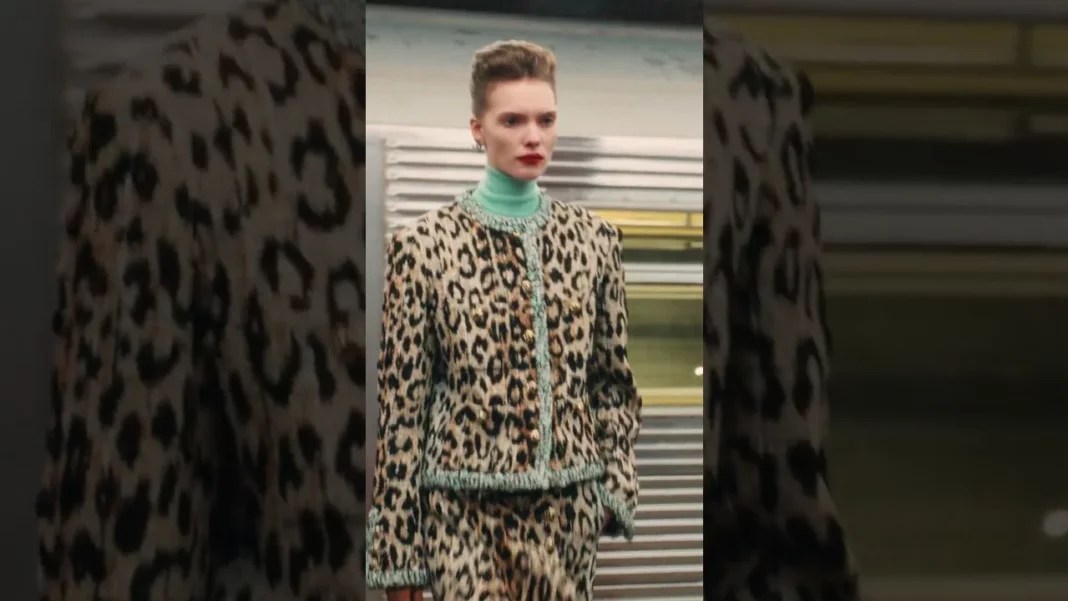
Each garment presented registered the brand’s design signatures—the tweed jacket geometry, the quilted panel proportions, the chain-strap integration. The showcase moved from textured evening wear to tailored daywear, each piece calibrated to balance line and form. Materials ranged from hand-embroidered silk tulle to wool gabardine, all constructed with visible seaming and closure work that underscored fabrication quality.
CHANEL Watches in the Presentation
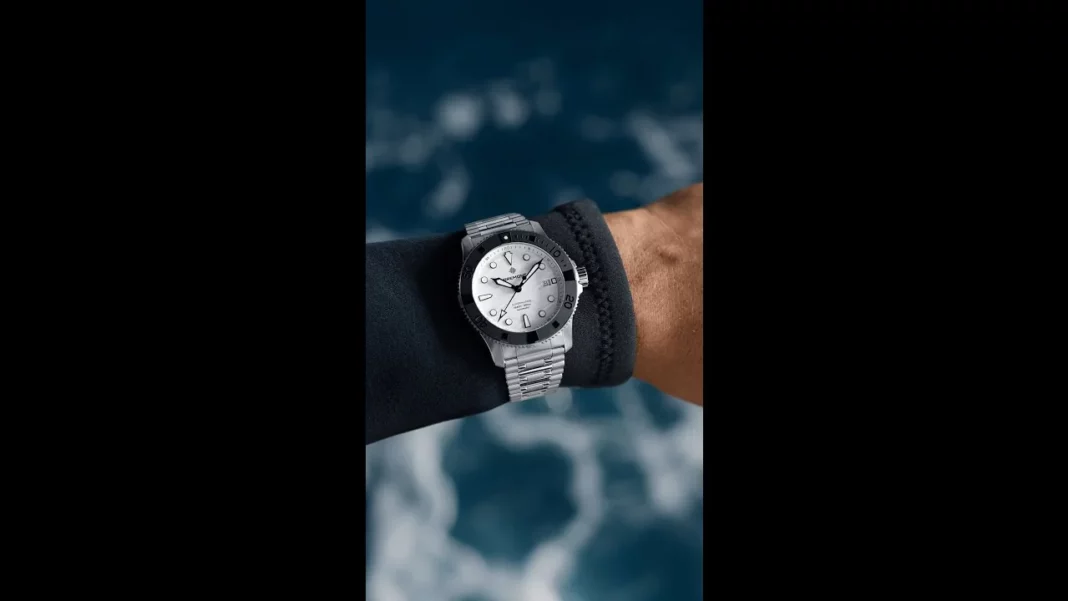
CHANEL watches appeared throughout the show as functional accessories rather than supplementary adornment. These timepieces feature the same design discipline applied to garments: proportioned case geometry, legible dial layout, mechanical movement performance, and refined finishing. The watches demonstrated how the brand applies its construction methodology across product categories—dial indices aligned with precision, case backs finished to inspection standards. For detailed specifications on CHANEL timepiece collections, explore CHANEL watch documentation.
The Finale Sequence
The show’s closing sequence moved through thirty minutes of continuous presentation, marking transitions between collection chapters through lighting and musical cues. Models presented garments at varied paces, allowing viewers to register construction detail. The finale itself compressed key silhouettes and techniques into a five-minute closing parade, restating the collection’s foundational references before exit.
CHANEL’s methodical approach to this show format—one established across multiple seasons—continues to differentiate the brand’s presentation strategy from conventional runway schedules. Future Métiers d’art presentations will build on this framework, expanding the network of featured ateliers and their specific technical contributions. The integration of CHANEL watches into these narratives reinforces the brand’s positioning as a manufacturer operating across jewellery, accessories, and timekeeping categories with consistent design and production standards.
Frequently Asked Questions
What role did CHANEL watches play in the Métiers d’art 2026 Show?
CHANEL watches functioned as finished accessories within the presentation, demonstrating the brand’s application of design discipline and construction standards across timepieces and garments alike. Case proportions, dial legibility, movement specifications, and surface finishing reflected the same engineering rigor applied to garment seaming and material selection throughout the collection.
What materials and design elements were highlighted in the CHANEL Métiers d’art 2026 collection?
The collection featured silk charmeuse, Alençon lace, custom-dyed materials, wool gabardine, and hand-embroidered silk tulle. Design elements included the tweed jacket geometry, quilted panel proportions, and chain-strap integration. Construction methods ranged from hand-stitching to machine engineering, with visible seaming underscoring fabrication quality.
What is the significance of the Métiers d’art show for CHANEL?
The Métiers d’art show documents CHANEL’s network of partner ateliers and their production techniques, centering on hand-finishing protocols and artisanal construction methods. The format demonstrates the brand’s positioning as a manufacturer operating across multiple product categories—garments, jewellery, accessories, and timepieces—all built to consistent design and production standards.