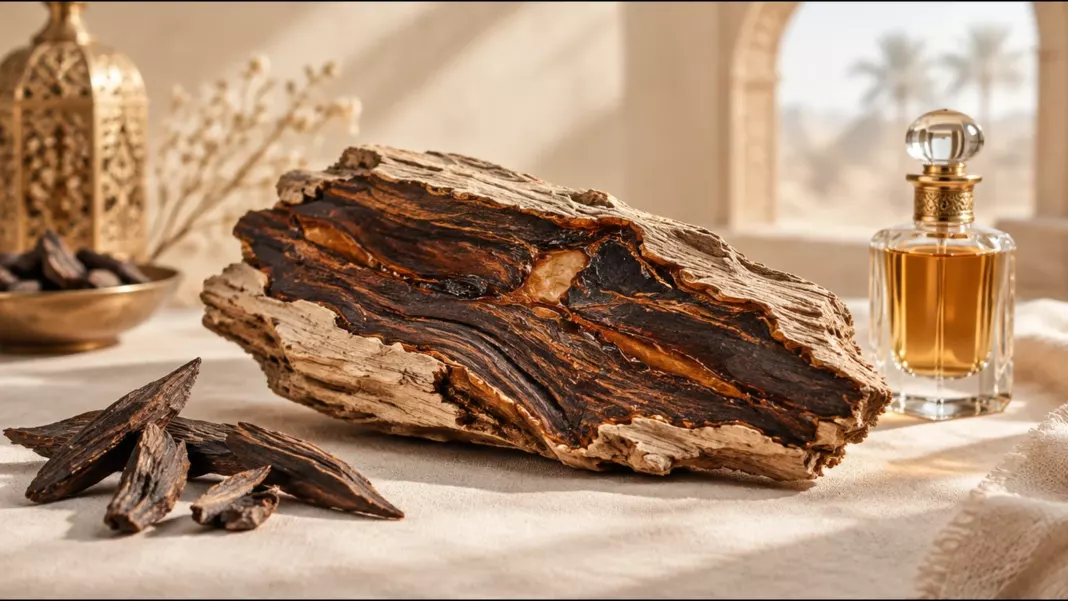
Oud is the dark, fragrant resin that forms inside the heartwood of Aquilaria trees after the tree has been wounded or infected; the resin-soaked wood is called agarwood. Burned as incense or distilled into a dense oil known as dehn al oud, it is the most prized material in Middle Eastern perfumery and one of the defining notes of modern fragrance.
Key Highlights
- Name: oud (عود) is the Arabic word for wood. The material is also traded as agarwood, aloeswood, eaglewood and gaharu.
- Source: the resin-saturated heartwood of Aquilaria trees, a genus of some twenty species in the Thymelaeaceae family, native to South and Southeast Asia.
- Trigger: lightning, insects or microbial infection. Around one wild tree in ten forms resin, over a period that can reach twenty-five years.
- Protection: the Aquilaria genus is listed in Appendix II of CITES, the convention that regulates international trade in protected species.
- Forms: raw wood chips, bakhoor, dehn al oud, and perfumes composed around an oud accord.
- Traditional unit: oud oil is sold by the tola, an old measure of about 11.66 grams.
From wood to resin: how oud is born
Healthy Aquilaria wood is pale, almost white. When the tree is injured, whether by lightning, by insects boring into the trunk or by fungi entering the wood, it responds by producing an aromatic resin that seals the wound. Year after year, that resin turns the heartwood yellow, then brown, and finally a deep, glossy black.
In the wild, the process is slow and rare: only about ten per cent of Aquilaria trees ever form resin, and natural formation can take up to twenty-five years. Plantations across Asia now inoculate cultivated trees with selected fungal strains to induce resin far sooner, a practice described in a 2025 peer-reviewed review on sustainable agarwood production. Its depth comes from two families of molecules, 2-(2-phenylethyl)chromones and sesquiterpenes, which scientists use as chemical markers of quality.
The grades of agarwood
Grading is local: each region and each trader applies its own labels. Density remains the most telling sign. Researchers group agarwood into three classes: wood with a density between 0.4 and 0.7 floats, wood between 0.7 and 1.0 sinks partially, and wood above 1.0 sinks completely. Sinking-grade pieces hold markedly more resin and command the highest prices on the market.
At the summit sits Ky Nam, known as kyara in Japan and qinan in China: a rare wild agarwood whose character sets it apart from every other grade, and which is reserved above all for incense ceremonies.
Dehn al oud: the oil
Dehn al oud, literally the oil of oud, is obtained by soaking chipped or powdered agarwood in water, often for a week or longer, before distilling it slowly. A large quantity of wood yields only a few millilitres of oil, hence its rarity.
Pure dehn al oud is thick, ranging from amber to near black, and extraordinarily concentrated. A single touch on the wrist or behind the ear is enough, and a fine oil keeps evolving on the skin for many hours, revealing new facets as it warms.
The great origins and their signatures
Each producing region gives oud a recognisable accent, shaped by the species, the soil and the distiller’s method. Historically, the most admired agarwood came from Cambodia, Thailand and Assam.
- Cambodia: distilled from Aquilaria crassna, Cambodian oud is the sweetest of the classics, with notes of plum, red fruit and honey.
- India (Assam): Hindi oud is deep, smoky and leathery, with animalic facets and hints of hay. It remains the benchmark for many Middle Eastern connoisseurs.
- Malaysia and Borneo: Aquilaria malaccensis and related species give oils that are smoky and earthy, evoking moist forest; Borneo oils tend to be lighter and sweeter.
- Indonesia: the oils of Merauke, in Papua, are dark, woody and earthy, close to the scent of burning oud chips.
- Thailand: also Aquilaria crassna, close to the Cambodian style with a drier, more mineral finish.
- Vietnam: the home of Ky Nam, prized for resinous, piercing wood that is largely reserved for incense.
Oud as a fragrance family
In the perfumes of the Middle East, oud has always been a foundation: worn pure as an oil or blended with rose, amber and musk. Western perfumery embraced it far later. When Yves Saint Laurent launched M7 in 2002, an oud accord was still a novelty for a designer fragrance; within a decade, oud had become a category of its own, from niche houses to the great fashion names.
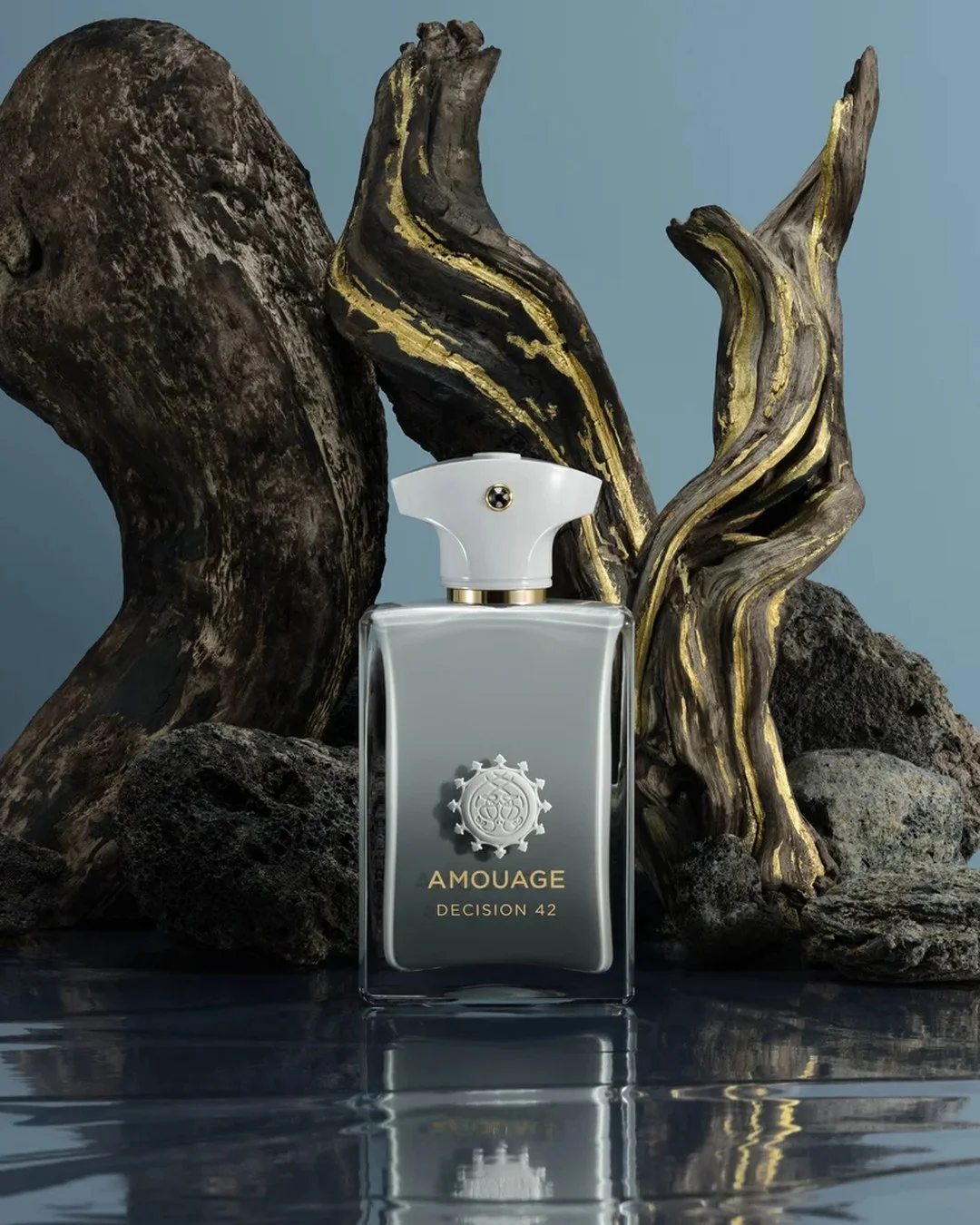
In most Western compositions, oud appears as an accord that evokes the smoky depth of the natural oil, often paired with rose, saffron or leather. The perfumers of the Middle East continue to work with natural dehn al oud, and remain the reference for the material itself.
How oud is worn and gifted in the Middle East
Oud is first a gesture of hospitality. Before guests arrive, the host lights bakhoor, agarwood chips soaked in fragrant oils, in a mabkhara, the traditional incense burner heated with charcoal or electricity. The burner is then passed among the guests, who let the smoke perfume their hair, their kandura or their abaya. Raw oud chips, burned on their own, are reserved for the most honoured occasions.
Wearing oud is an art of layering. Garments are first scented with bakhoor smoke; a touch of dehn al oud or attar follows on the pulse points; a spray of eau de parfum completes the composition. Each layer extends the others, which is why an oud signature can linger in a room long after its wearer has left.
Oud is also among the most cherished gifts in the region. During Ramadan, for Eid and at weddings, presentation boxes of dehn al oud, bakhoor and oud perfumes are exchanged between families.
How to recognise quality
- Density and colour: fine agarwood is dark, heavy and rich in resin; sinking-grade pieces are the most sought after. Colour alone is an incomplete guide, as treated wood exists, so density and scent must confirm it.
- Behaviour on heat: a resin-rich chip placed on a burner bubbles gently and releases a long, clean, layered scent.
- Evolution on skin: a fine dehn al oud unfolds over many hours, moving from its opening notes to a soft, woody drydown.
- Transparency: the established houses state the origin of their oils and the character of their wood, which remains the surest guarantee for the fragrance lover.
The great houses of oud
Arabian Oud opened its first boutique in 1982 in Souk al-Zal, the historic market of Riyadh, founded by Sheikh Abdul Aziz Al-Jasir with the ambition of sourcing the rarest oud and blending it with classic perfume notes. It has since grown into the largest fragrance house of the Middle East.
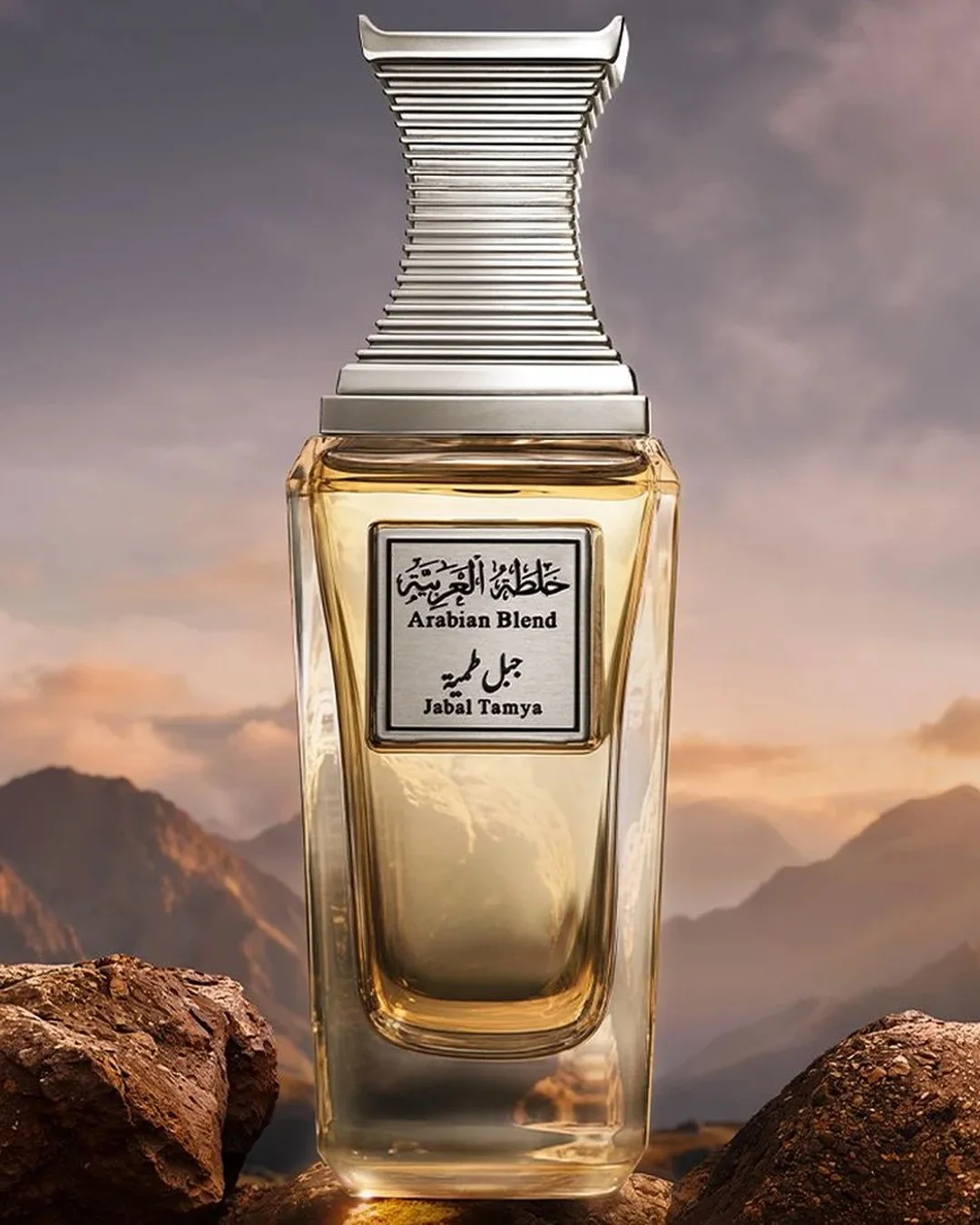
Abdul Samad Al Qurashi traces its story to Makkah, where its first boutique opened in 1932 near the Grand Mosque. The house built its name on oud, amber and incense, and remains one of the most respected addresses in Saudi perfumery.
Ibrahim Al Qurashi, today known as Ibraq, began in 1929 with a small shop in Makkah devoted to oud and amber. For a closer look at its creations, see our guide to the best Ibraq perfumes in Saudi Arabia.
Al Majed Oud, with roots reaching back to 1956 and formally established in 1982, has built its reputation on oud and was listed on the Saudi Exchange in October 2024.
Ajmal was founded in 1951 in Hojai, in the Indian state of Assam, by Haji Ajmal Ali, who began by gathering and trading agarwood from the forests of his region. Headquartered in Dubai, the house still devotes a dedicated division to dehn al oud and agarwood.
Amouage was founded in Muscat in 1983 at the initiative of Sultan Qaboos bin Said, to carry the perfume heritage of Oman onto the international stage. Its compositions have made oud, frankincense and rose the signature of Omani high perfumery.
Other Saudi houses offer their own reading of oud: discover our selection of Ahmed Al Maghribi perfumes.
Frequently asked questions
What does oud smell like?
Oud is woody, smoky and resinous, with leathery and sometimes animalic depth. Depending on its origin, it can lean towards sweet fruit and honey, as in Cambodian oud, or towards smoke, hay and leather, as in Hindi oud from Assam.
Is oud the same as agarwood?
Agarwood is the resin-soaked heartwood of Aquilaria trees; oud is the Arabic name for it. The word is used for the wood itself, for the oil distilled from it, known as dehn al oud, and for perfumes built around its scent.
What is dehn al oud?
Dehn al oud is the pure oil of oud, obtained by soaking agarwood in water and then distilling it. It is thick, highly concentrated and traditionally sold by the tola, a measure of about 11.66 grams.
Why is oud so precious?
Only about one wild Aquilaria tree in ten forms the fragrant resin, natural formation can take up to twenty-five years, and a large quantity of wood yields only a few millilitres of oil. The Aquilaria genus is also protected under CITES Appendix II.
How is oud worn in the Middle East?
Oud is worn in layers: garments are scented with bakhoor smoke from a mabkhara, a touch of dehn al oud or attar is applied to the pulse points, and an eau de parfum completes the signature. Bakhoor is also burned to welcome guests.