
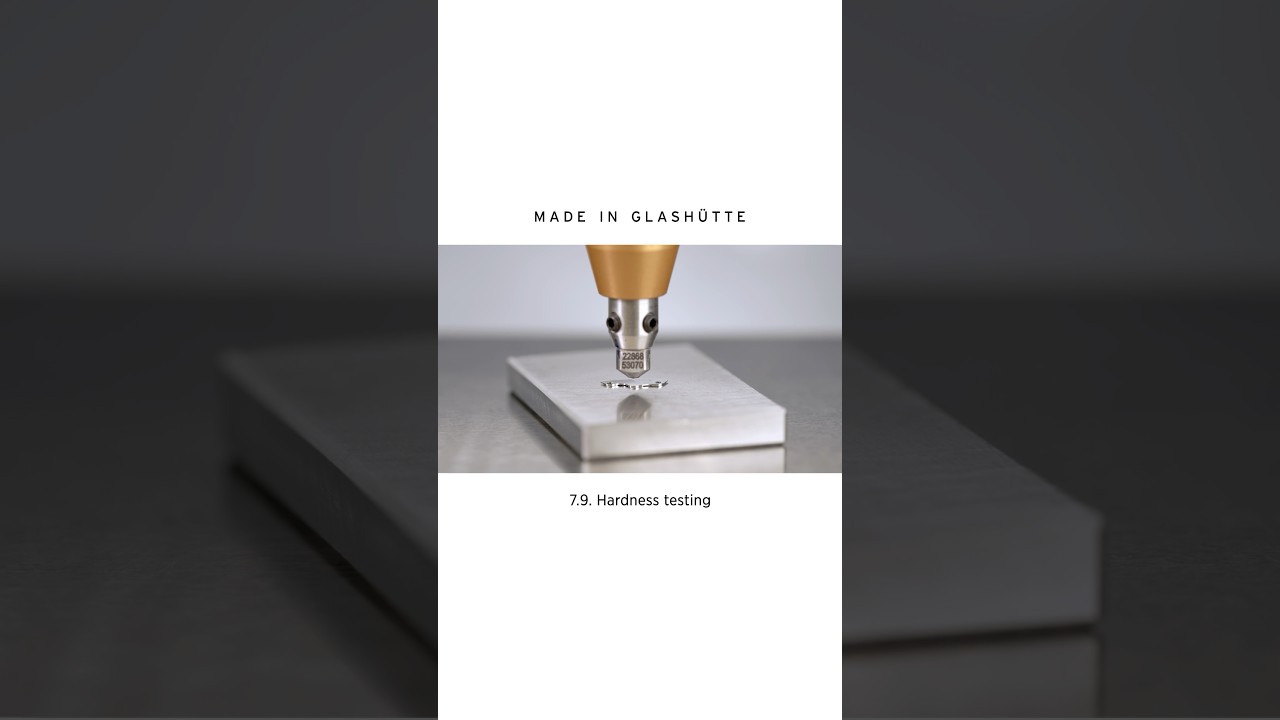
Understanding Material Hardness in Watchmaking
Material hardness is fundamental to luxury watchmaking. Hardness directly affects durability, scratch resistance, and how a timepiece ages under regular wear. Premium watches from NOMOS GLASHÜTTE demonstrate how the right material selection preserves both function and appearance across decades of ownership.
The Role of Hardness in Watch Components
Different watch components demand varying hardness specifications. The case, crystal, and bracelet must resist the micro-damage that occurs during daily use while retaining their visual character. Sapphire crystal typically rates 9 on the Mohs scale—second only to diamond—which gives it superior resistance to scratching and ensures a transparent view of the dial. The case material must achieve sufficient hardness without adding unnecessary weight.
The Benefits of Hard Materials
The choice of hard materials in luxury watches affects several aspects:
- Durability: Hard materials resist wear and tear, making watches suitable for everyday use without compromising style.
- Aesthetics: The right materials enhance the visual appeal of a watch, providing a luxurious finish that captures attention.
- Performance: Hardness contributes to the watch’s functional integrity, ensuring that all components work cohesively over time.
Industry Standards and Innovations
Watchmakers like NOMOS GLASHÜTTE adhere to strict material specifications that balance hardness with workability. The selection process at such manufacture-level producers involves testing and validation against industry benchmarks. Advances in material science continue to expand the palette available to designers—ceramic cases, for instance, deliver hardness comparable to steel at a fraction of the weight.
Example: NOMOS GLASHÜTTE’s Commitment to Hardness
NOMOS GLASHÜTTE establishes a standard in the watch industry by specifying high-grade materials that deliver measurable hardness. Their approach reflects the precision associated with German watchmaking, where material specification is as critical as movement finishing. To explore NOMOS GLASHÜTTE collections, visit the brand section.
Conclusion
Material hardness influences durability, aesthetics, and performance across all watch components. Understanding these material properties deepens appreciation for the engineering decisions that distinguish luxury timepieces.
Frequently Asked Questions
Why is material hardness important in luxury watchmaking?
Material hardness affects durability, scratch resistance, and aesthetic appeal of luxury watches. Hard materials resist wear and tear, maintain elegant appearance during everyday use, and contribute to the watch’s functional integrity and performance over time.
What role does sapphire crystal play in watch durability?
Sapphire crystal is favored in watchmaking for its remarkable hardness, which ensures a clear, scratch-resistant view of the dial while protecting the watch’s internal components from damage.
How does NOMOS GLASHÜTTE approach material selection in their watches?
NOMOS GLASHÜTTE is known for meticulous selection of high-grade materials that adhere to strict industry standards, enhancing both durability and aesthetic qualities while exemplifying the craftsmanship of German watchmaking.
