Cleanliness in Watch Manufacturing
Cleanliness in luxury timepiece production is not merely cosmetic—it is fundamental to manufacturing quality. Precision, reliability, and performance depend entirely on the controlled environment in which watches and mechanical movements are assembled. A single particle of dust or trace of oil can introduce friction between components, causing timekeeping drift and structural degradation.
The Role of Cleanliness in Mechanical Movements
In mechanical watchmaking, each component—from gear trains to the balance wheel—must be free from contaminants. Manufacturing defects stemming from particle contamination are nearly impossible to correct after assembly. A speck of dust caught between pivots or a film of residual oil on a jewel bearing can degrade performance within weeks or months of regular wear.
Why Every Detail Matters
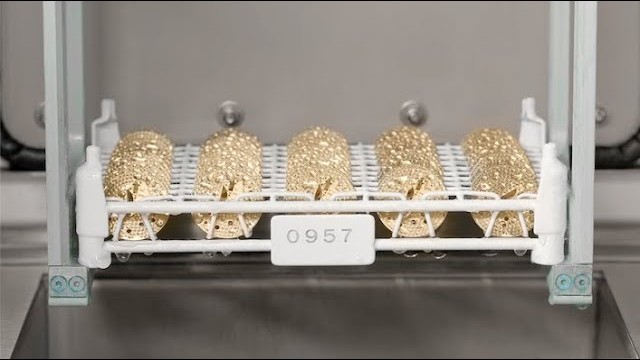
Manufacturers use ultrasonic cleaning baths operating at specific frequencies to remove machining debris and oils from raw components. Air handling systems maintain laminar flow within assembly areas, filtering particulates to ISO Class 5 or better. Some watchmakers employ cleanroom protocols borrowed from semiconductor and pharmaceutical manufacturing, including positive pressure chambers and electrostatic-dissipative workbenches.
NOMOS GLASHÜTTE and Its Commitment to Quality
NOMOS GLASHÜTTE demonstrates this commitment through documented production protocols. Their assembly workshops maintain temperature and humidity stability to prevent dimensional shifts in components. Each finished calibre undergoes underwater testing and chronometric certification before casing, catching any contamination-related defects before the watch reaches the customer.
The Impact of Cleanliness on Longevity
A watch’s operational lifespan correlates directly to cleanliness during manufacture. Watches assembled in controlled environments with documented contamination protocols exhibit lower service rates and longer intervals between overhauls. This translates to reduced wear on critical surfaces like pivots and jewel settings—components that are expensive to restore.
Cleanliness standards separate watches that perform reliably across decades from those requiring service after five to ten years. Investing in a watch from NOMOS GLASHÜTTE reflects this engineering discipline. For those interested in exploring their collections, explore NOMOS GLASHÜTTE to view complete offerings.
Frequently Asked Questions
Why is cleanliness so important in watch manufacturing?
Cleanliness is critical because even the smallest contaminants like dust or oil can cause friction between components, leading to timekeeping inaccuracies and weakening the overall structure of the watch. Each part, from gears to the balance wheel, must be free from contaminants to ensure the watch’s performance and longevity.
What cleaning techniques do manufacturers use to ensure pristine watch components?
Manufacturers employ ultrasonic cleaners and specialized air filtration systems to ensure all components are pristine before assembly. These stringent cleanliness protocols safeguard each piece during the entire production cycle.
How does manufacturing cleanliness affect the lifespan of a luxury watch?
By maintaining a clean manufacturing environment, watchmakers minimize the risk of wear and tear, which directly extends the operational life of the timepiece. A watch’s lifespan is closely linked to how well it is produced, making cleanliness essential for enduring quality.