Key Highlights
- Extremely limited collaboration between Ressence and Japanese artist Terumasa Ikeda, restricted to just 8 pieces.
- TYPE 9 architecture displaying only hours and minutes, with a fully rotating convex orbital dial.
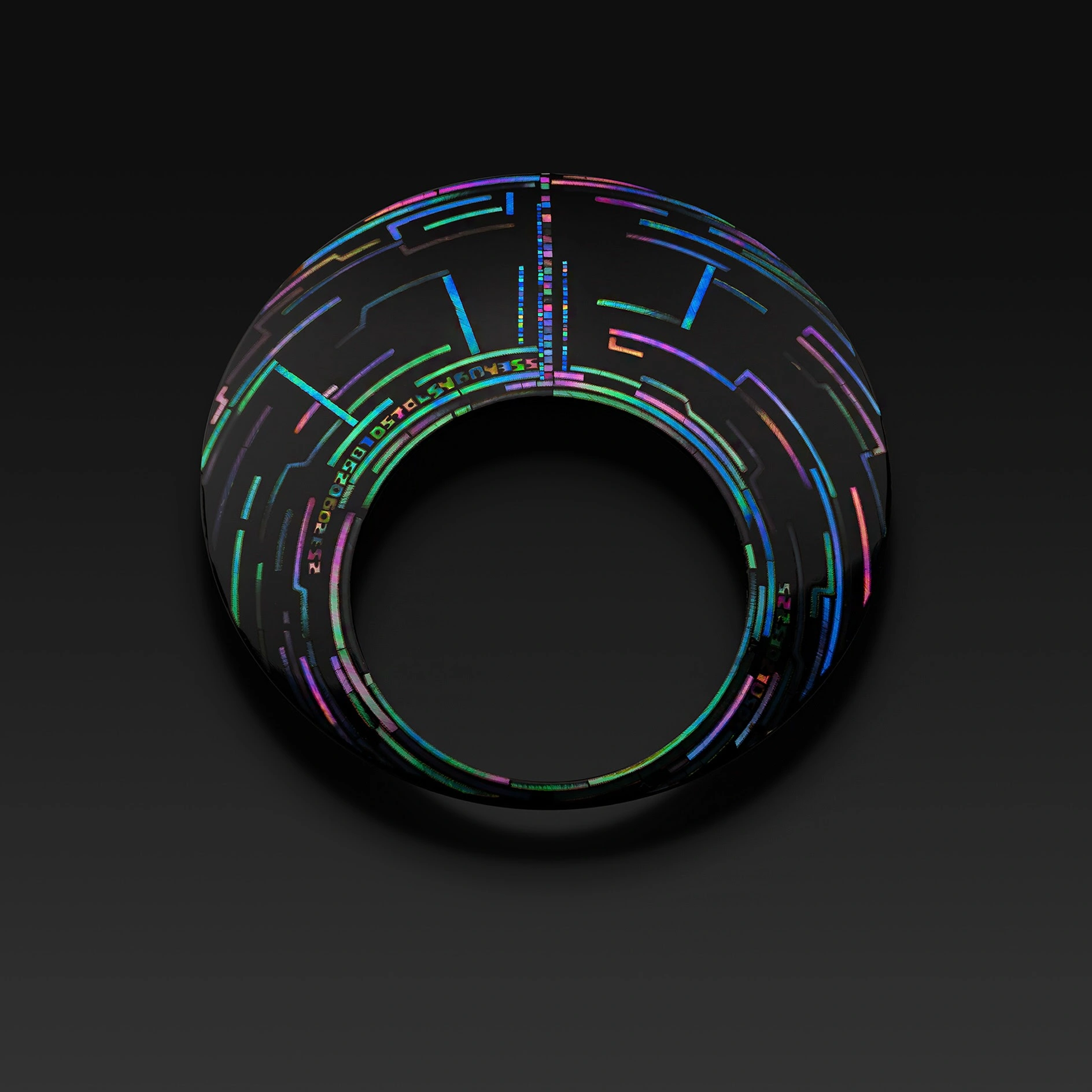
- Dial crafted using traditional urushi lacquer and ultra‑fine raden (mother‑of‑pearl) inlay, adapted to a curved surface.
- Design narrative rooted in information, data and heliocentrism, like a hand‑rendered computer screen.
- Each shell fragment individually bent, shaped and placed on titanium components, then finished in black urushi lacquer.
A Japanese craft lens on Ressence minimalism
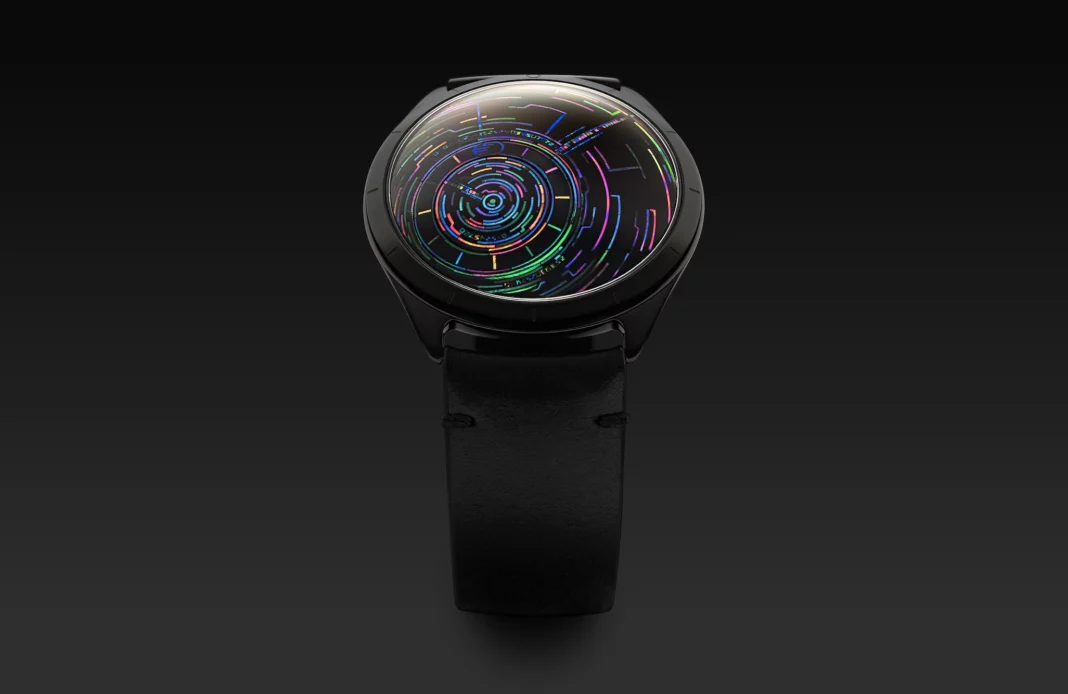
The Ressence TYPE 9 IKE brings together ancient Japanese craft and the brand’s futuristic view of time. Limited to eight examples, it takes the most pared‑back Ressence platform – the TYPE 9, showing only hours and minutes – and hands its convex, orbital dial to Kanazawa‑based artist Terumasa Ikeda.
Ikeda’s practice developed after a formative trip to Nepal, where the density of temple decoration and uncompromising hand‑work impressed him. Realising he could not adopt another culture’s sacred language, he decided to build his own visual system instead of following traditional atelier paths.
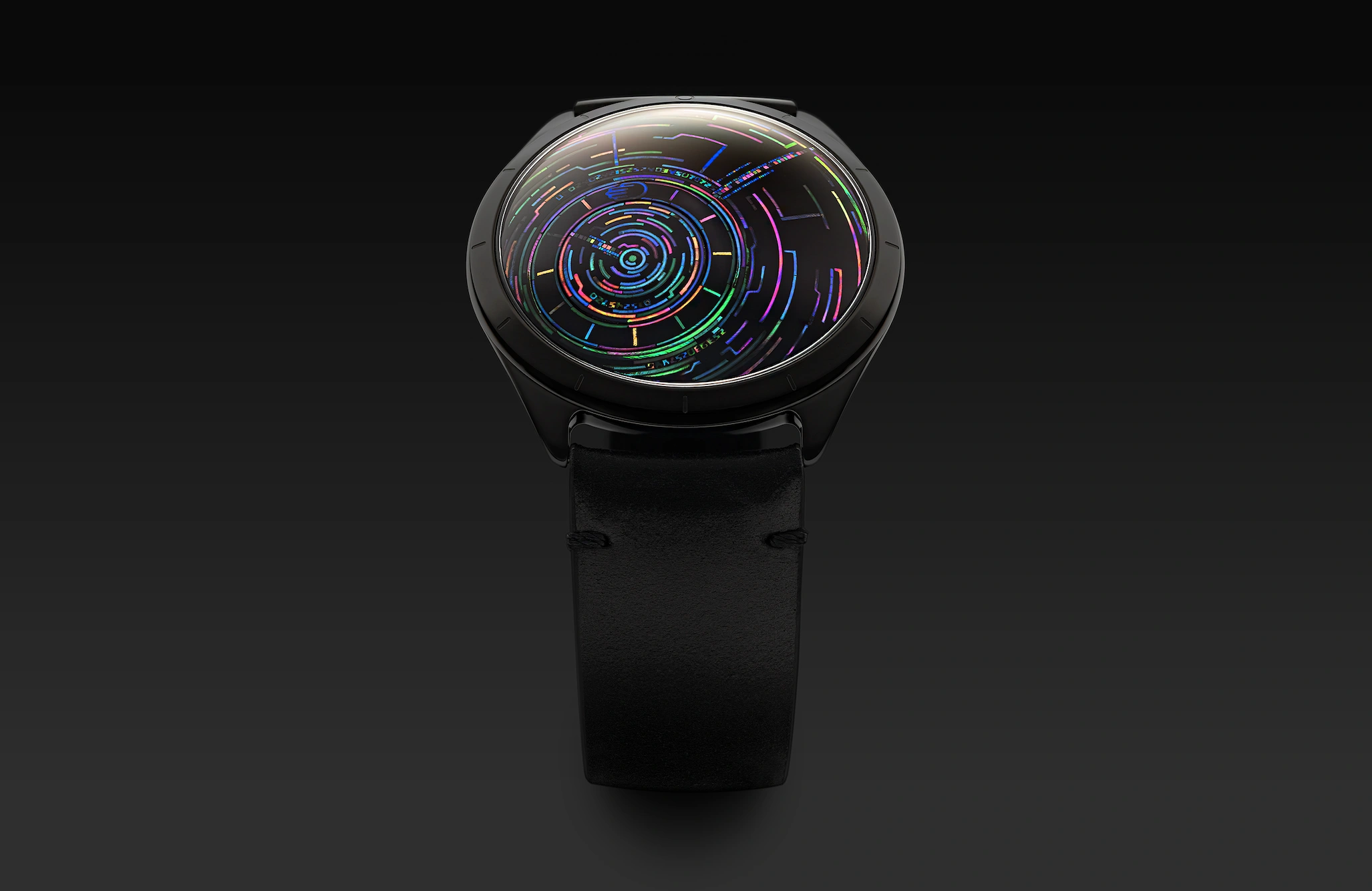
That system is grounded in the quiet infrastructure of modern life: information, numbers, data and electrical signals. Ikeda translates this digital realm with raden, transforming mother‑of‑pearl into an iridescent surface that recalls a computer screen entirely drawn by hand. For the TYPE 9 IKE, he chose raden because it is vivid like a screen yet belongs to a centuries‑old tradition.
This thinking aligned with Ressence founder Benoît Mintiens, who invited Ikeda to reinterpret the most minimal Ressence dial. On discovering the TYPE 9’s rotating discs and subdials, Ikeda saw an astronomical model rather than a graphic pattern, which led him to heliocentrism and to scientists who pursued data‑driven truth against resistance – a mindset he relates to.
Heliocentrism on a convex dial
Bringing that idea to life on the TYPE 9 IKE required adapting Ikeda’s usually flat craft to a distinctly convex architecture. Raden is fragile and flat, “breaking easily, like eggshell”, so each ultra‑thin shell fragment was soaked, then slowly bent over rubber sheets in small increments until it followed the dial’s curvature.
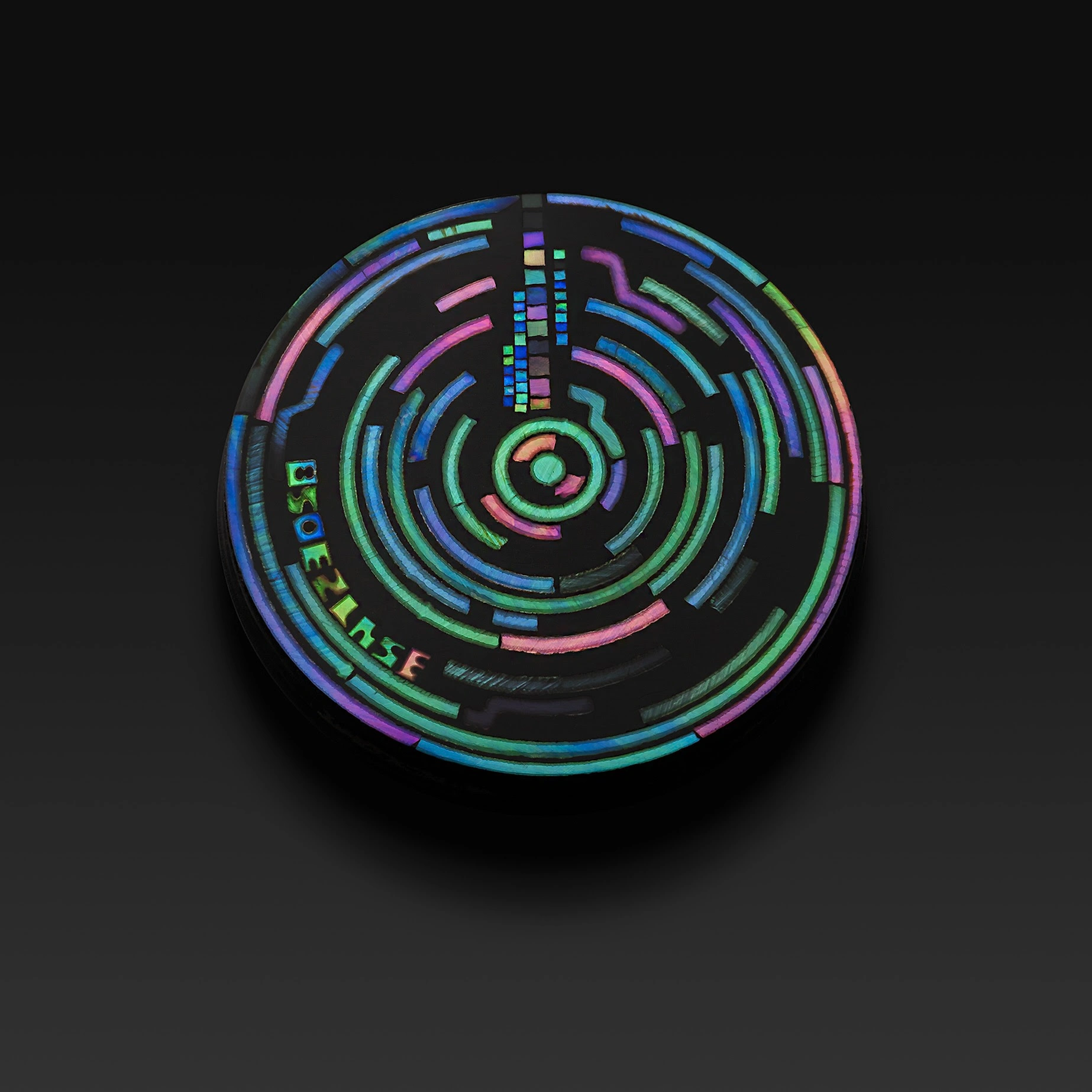
Each piece of shell is individually cut, shaped and positioned on titanium dial elements with precise alignment. Layers of black urushi lacquer then unify the surface, heighten contrast and allow the raden to glow with controlled intensity. The Ressence display – reduced to hours and minutes – orbits beneath this crafted landscape, so that time becomes one element within a broader visual code.
The finished TYPE 9 IKE balances visual depth with clear structure, drawing on astronomy, data visualisation and Japanese decorative arts without directly quoting any single reference. Ikeda summarises it by saying that, to him, it “has become the most futuristic watch in the world”, a description that aligns with its experimental yet disciplined character.
Why it matters
The TYPE 9 IKE sits at the intersection of contemporary horology and Japanese craft that spans more than a millennium. By adapting urushi and raden to a convex, rotating dial and anchoring the design in ideas of information and heliocentrism, Ressence and Terumasa Ikeda create a collaboration that is as conceptual as it is decorative.
For collectors in the Gulf who value cultural depth alongside mechanical innovation, it underlines how the future of watchmaking will be shaped as much by artists and artisans as by engineers. It also shows how independent brands can turn a simple hours‑and‑minutes display into a rich, collectible contemporary timepiece.
Frequently Asked Questions
What makes the Ressence Type 9 IKE different from a standard Type 9 watch?
The Type 9 IKE is a collaboration with Japanese artist Terumasa Ikeda limited to just 8 pieces, featuring a convex orbital dial decorated with traditional urushi lacquer and ultra-fine raden mother-of-pearl inlay adapted to the curved surface. The design transforms the minimal hours-and-minutes display into a visual system rooted in information, data, and heliocentrism that resembles a hand-rendered computer screen.
How was the mother-of-pearl inlay applied to the curved dial?
Each ultra-thin raden shell fragment was individually soaked and slowly bent over rubber sheets in small increments to follow the convex titanium dial’s curvature, since raden naturally breaks easily like eggshell. Layers of black urushi lacquer then unified the surface and allowed the raden to glow with controlled intensity.
What is the design concept behind the Type 9 IKE’s dial?
Artist Terumasa Ikeda interpreted the rotating discs and subdials as an astronomical model, leading him to explore heliocentrism and scientists who pursued data-driven truth. The design translates the digital realm using iridescent raden to evoke a computer screen drawn by hand, making time orbit beneath this crafted landscape as one element within a broader visual code.