The Mastery Behind Finishing Watch Hands
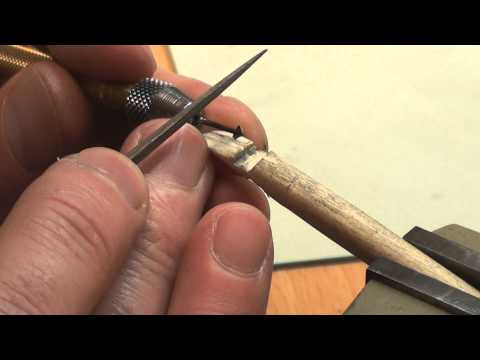
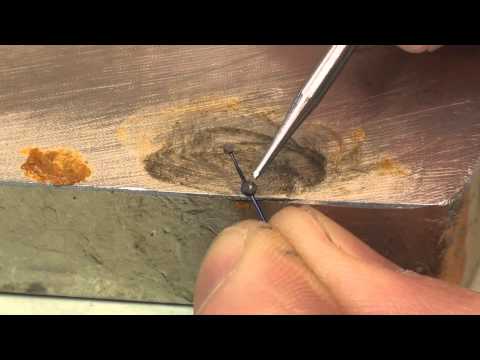
Roger W Smith stands among horology’s most accomplished independent watchmakers. His educational series, Part 10 of 10 – Finishing a Set of Hands by Roger Smith, documents the finishing techniques applied to hands for his bespoke timepieces. Smith’s approach combines hand-polishing, sandblasting, and surface treatments that define contemporary British watchmaking.
The Importance of Finishing Techniques
The finishing process in watchmaking serves both functional and aesthetic purposes. Smith demonstrates that polishing sequences, surface treatments, and weight distribution directly affect timekeeping accuracy and hand longevity. Each operation—from initial polishing to final assembly checks—influences how the watch performs over decades of use.
Crafting Aesthetic Elegance
Smith achieves a mirror-like finish through sequential polishing stages followed by controlled sandblasting. The process requires specific grits, precise angles, and careful timing to avoid damaging the underlying steel. Each hand emerges with a distinct surface character: reflective polished areas contrasted against matte-blasted surfaces. This contrast is hallmark Roger Smith: hands that catch light differently depending on wrist position.
Precision and Performance
Beyond visual appeal, finished hands must balance correctly and operate without friction across the dial. Smith tests weight distribution and verifies that each hand moves freely on its pinion. The hand’s mass, pivot hole finish, and counterweight distribution directly determine whether the escapement receives consistent impulses. Poorly finished hands introduce timing errors; properly finished ones become transparent to the mechanism—they simply work.
Conclusion
Smith’s finishing protocols reflect his philosophy that a hand is not decoration but a functional component requiring the same rigor applied to the balance wheel or mainspring. Each completed hand demonstrates the intersection of traditional filing and modern quality control. To explore more about his work, click here to explore ROGER W SMITH LTD collections and discover the technical standards that define his independent manufacture.