The Watch Case: Protection and Form
The watch case protects the movement while embodying the watchmaker’s approach to design and engineering. FERDINAND BERTHOUD cases demonstrate how material selection and construction method define a timepiece’s character and performance.
Craftsmanship and Materials
Each Chronométrie Ferdinand Berthoud case combines functional precision with visual refinement. The case must seal the movement from moisture and dust, absorb impacts, and present a finished surface that reflects the brand’s identity. FERDINAND BERTHOUD achieves this through high-grade stainless steel, precious metals, and proprietary alloys chosen for specific properties—steel for everyday durability, gold or platinum for collectors seeking traditional materials, and specialized alloys where performance demands warrant custom compositions.
Materials Used in Case Construction
Case material directly affects longevity and wear resistance. Stainless steel offers proven corrosion resistance and scratch recovery; precious metals provide patina and permanence; bespoke alloys solve specific engineering challenges such as non-magnetic properties or enhanced hardness. The internal case structure—the caseback, bezel seat, and lugs—must withstand assembly forces and repeated opening for service without deforming.
Techniques Applied in Case Production
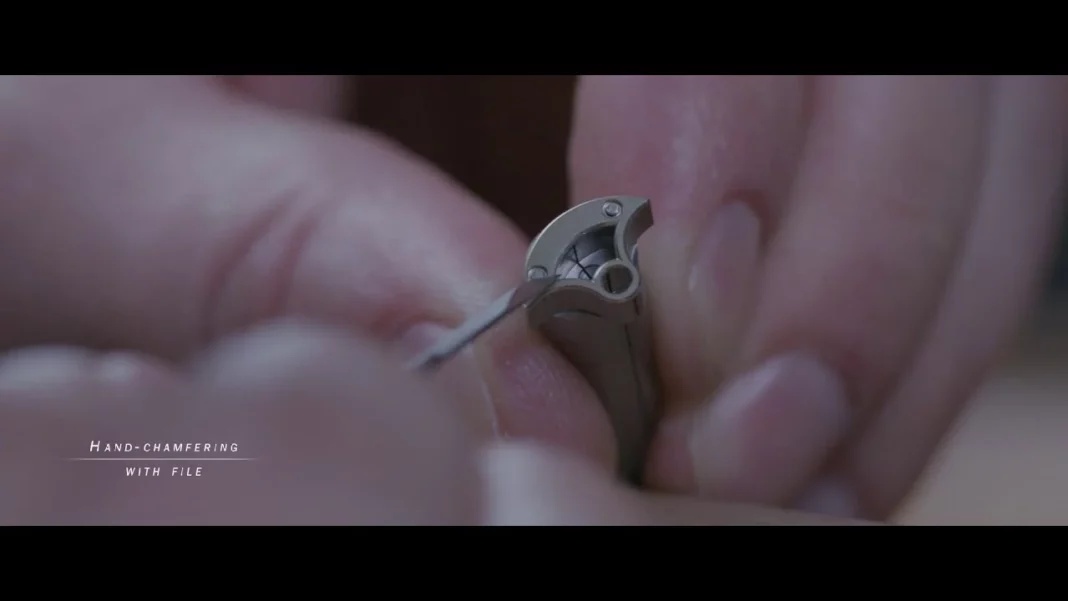
Episode 4 – The Art of Case Construction shows how Ferdinand Berthoud applies techniques once limited to haute horlogerie across the entire Chronométrie range. These include precision CNC machining of case blanks, hand-finishing of visible surfaces, careful caseback design to display the movement, and assembly sequences that maintain tight tolerances between the case middle, crystal, and movement holder. The internal framework secures the movement against shock while the case geometry accommodates the dial and hands without binding.
Conclusion
Ferdinand Berthoud maintains exacting standards in case construction because the case determines how well a watch survives decades of wear. Examine the proportions, material finish, and sealed construction of any Chronométrie Ferdinand Berthoud piece to see the discipline behind the design. Explore FERDINAND BERTHOUD’S collections to discover how the brand applies these principles across its range.
Frequently Asked Questions
What materials does Ferdinand Berthoud use in their watch cases?
Ferdinand Berthoud uses high-grade stainless steel, precious metals, and bespoke alloys in their watch cases. Material selection impacts durability, corrosion resistance, and how the case accepts and holds a finish.
Why is case construction important in Ferdinand Berthoud watches?
The case protects the movement from moisture, dust, and impact while presenting the finished watch to the wearer. Construction precision ensures the case seals properly, accepts a dial and hands without binding, and supports the movement during assembly and service.
What techniques are used in creating Ferdinand Berthoud watch cases?
Ferdinand Berthoud applies CNC machining, hand-finishing of visible surfaces, precise caseback design, and calibrated assembly sequences to every Chronométrie Ferdinand Berthoud case. These techniques control tolerances between the case middle, crystal, bezel, and movement holder.