The Influence of Ferdinand Berthoud
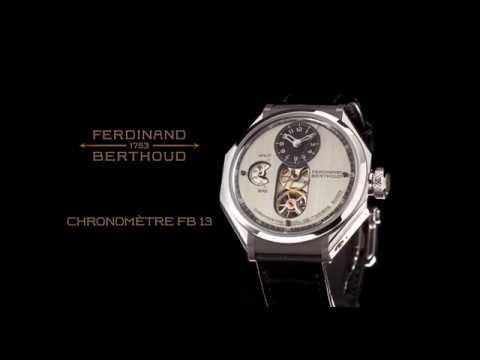
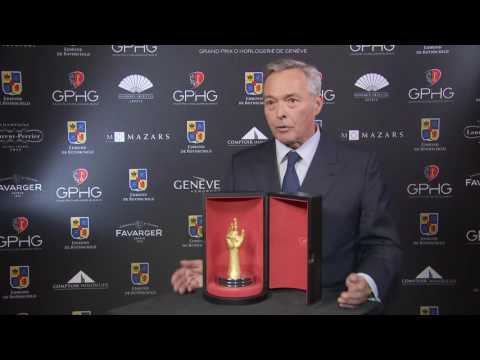
Ferdinand Berthoud stands among watchmaking’s most consequential figures. His innovations in marine chronometry—particularly his refinements to the detent escapement and temperature compensation—established standards that manufacturers still reference. In a recent conversation, Karl-Friedrich Scheufele discussed how Berthoud’s technical achievements continue to inform contemporary practice at the highest levels of the industry.
Mastercraft and Innovation
A Pioneering Spirit
Berthoud’s marine chronometers, produced from the 1750s onward, solved critical problems of longitude determination at sea. His pocket chronometers achieved rates of loss or gain measured in seconds per month—a dramatic improvement over predecessors. These pieces combined steel balance springs, refined jeweling, and case designs that protected the movement from humidity and temperature fluctuation. Berthoud did not merely refine existing approaches; he systematized watchmaking itself, documenting his methods and training apprentices in repeatable technique.
His Enduring Influence
Modern manufacture brands—including those bearing the Berthoud name—draw directly from his technical lineage. His philosophy that precision timekeeping requires both mechanical innovation and obsessive quality control remains the operating principle for contemporary chronometer production and haute horlogerie.
Insights from Karl-Friedrich Scheufele
Scheufele emphasized Berthoud’s role in elevating watchmaking from craft to measurable science. His work established the trajectory along which luxury chronometry developed, from pocket chronometers through wristwatch chronographs and annual calendars. Scheufele’s respect for Berthoud reflects a broader commitment within independent manufacture to tracing lineage back to foundational figures whose intellectual rigor defined the discipline.
Discover More About Ferdinand Berthoud
For readers interested in how historical horological innovation connects to contemporary production, the discussion with Scheufele offers concrete detail on Berthoud’s technical contributions. You can explore FERDINAND BERTHOUD’s current collections to examine how his watchmaking philosophy translates into finished pieces.
Conclusion
Berthoud’s work established the engineering and quality standards that define chronometry today. Conversations with practitioners like Scheufele reinforce how deeply his technical innovations—not sentiment alone—continue to structure how watches are conceived and built.