At a Glance
- World-first mechanical IFR holding pattern function developed with Watch Angels — a fully operational aviation instrument, not an aesthetic tribute
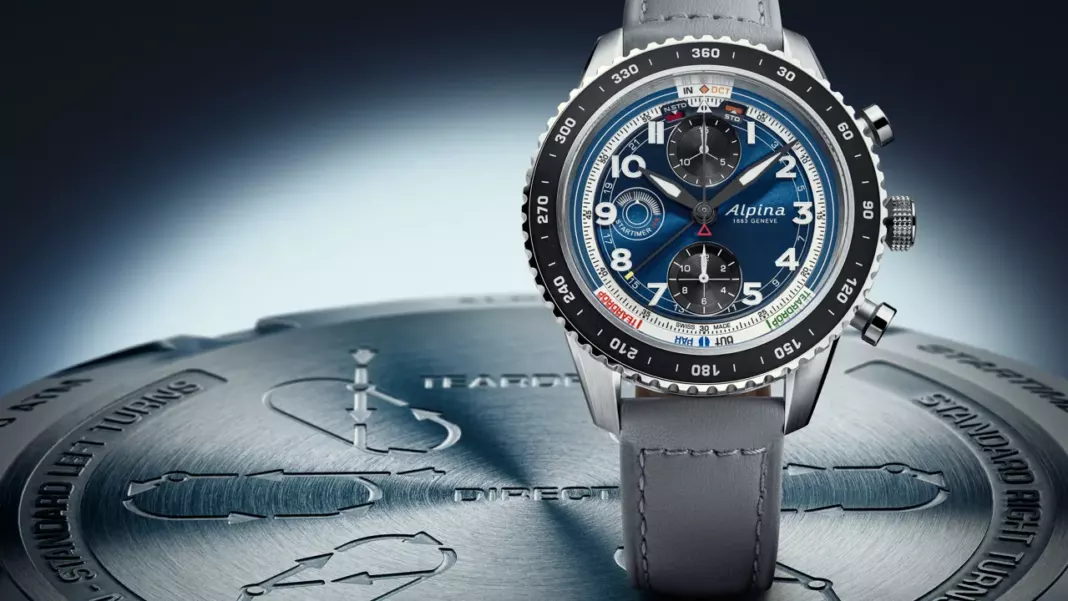
- Bidirectional ceramic bezel calculates entry type (direct, teardrop, or parallel), required heading, and left/right pattern instantly via colour code
- 43mm case, 10 ATM water resistance, 62-hour power reserve automatic movement, UTC hand, and 12-hour chronograph counter
- Strictly limited to 300 numbered pieces; pre-sale from 21 May 2026 at CHF 4,290 on watchangels.ch
- Inaugurates the new 2026 Startimer case design with bevelled lugs and vertical satin-polished frame
A Function With No Precedent in Watchmaking
For decades, the professional pilot’s watch occupied a curious position: visually authoritative, technically respectable, yet operationally peripheral. Pilots wore them for timing, UTC reference, and prestige, but the watch itself played no active role in the most demanding phases of flight. The Alpina Startimer Pilot Chronograph Automatic IFR, developed in collaboration with Geneva-based R&D platform Watch Angels, ends that compromise with what the two partners claim as a world first: a fully mechanical function that resolves the IFR holding pattern entry calculation directly on the wrist.
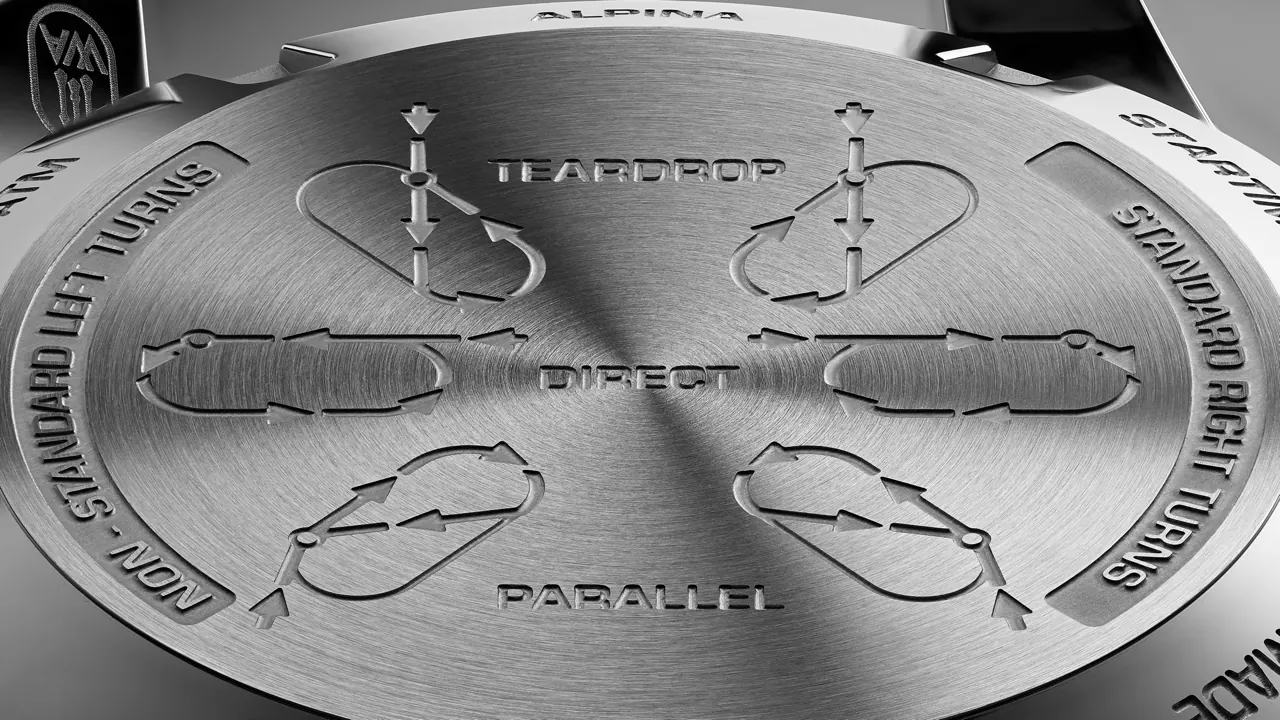
The holding pattern sits at the centre of every serious IFR approach. When traffic density or weather requires aircraft to orbit a fixed point before landing, each plane must enter the hold at a specific heading using one of three standardised methods: direct, teardrop, or parallel. The correct entry depends entirely on the relationship between the pilot’s current heading and the inbound course to the fix. Traditionally, this calculation demands mental arithmetic or a separate tool. On this watch, it requires nothing more than two movements of the bezel.
How the Bezel Mechanism Works
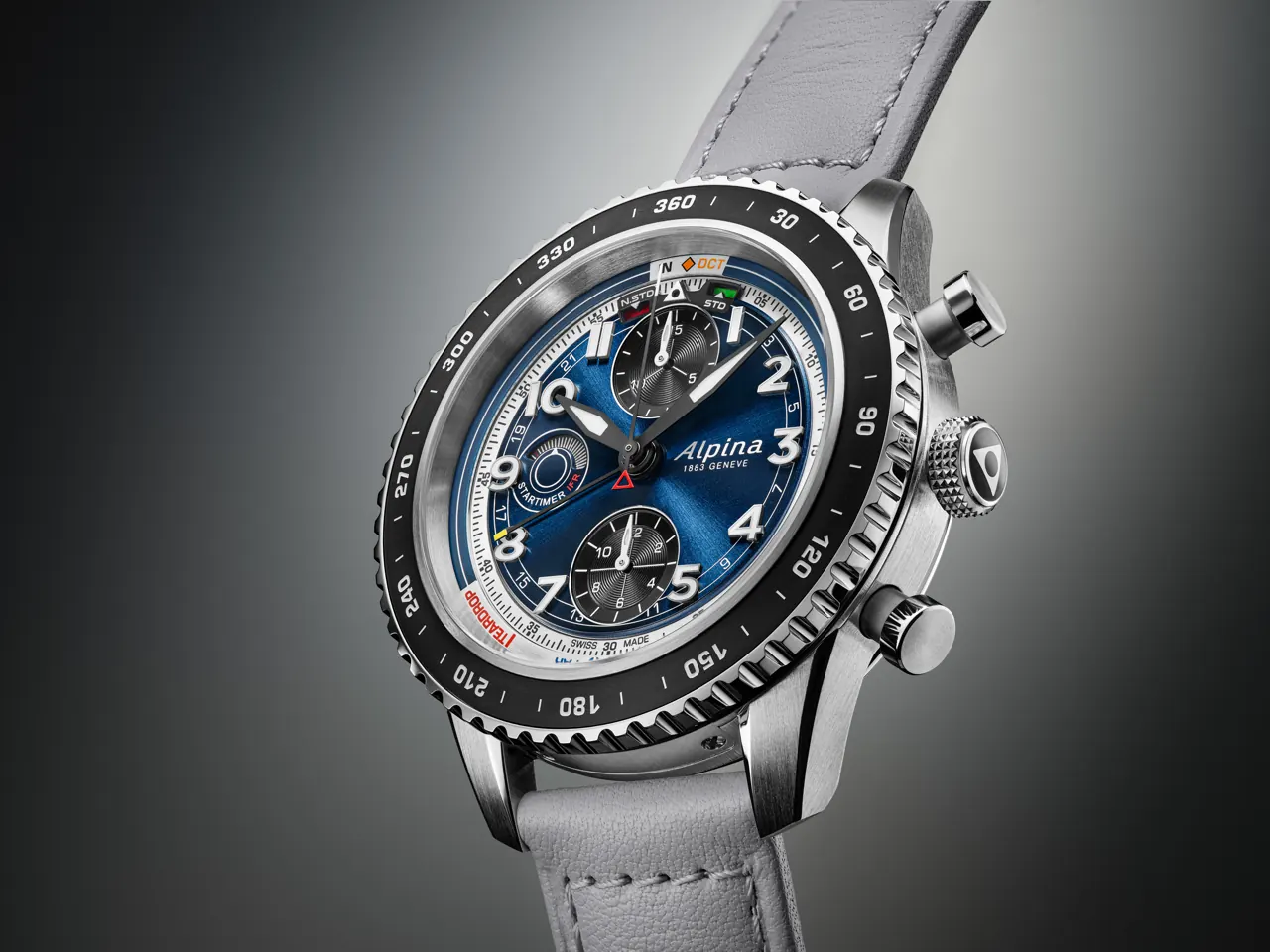
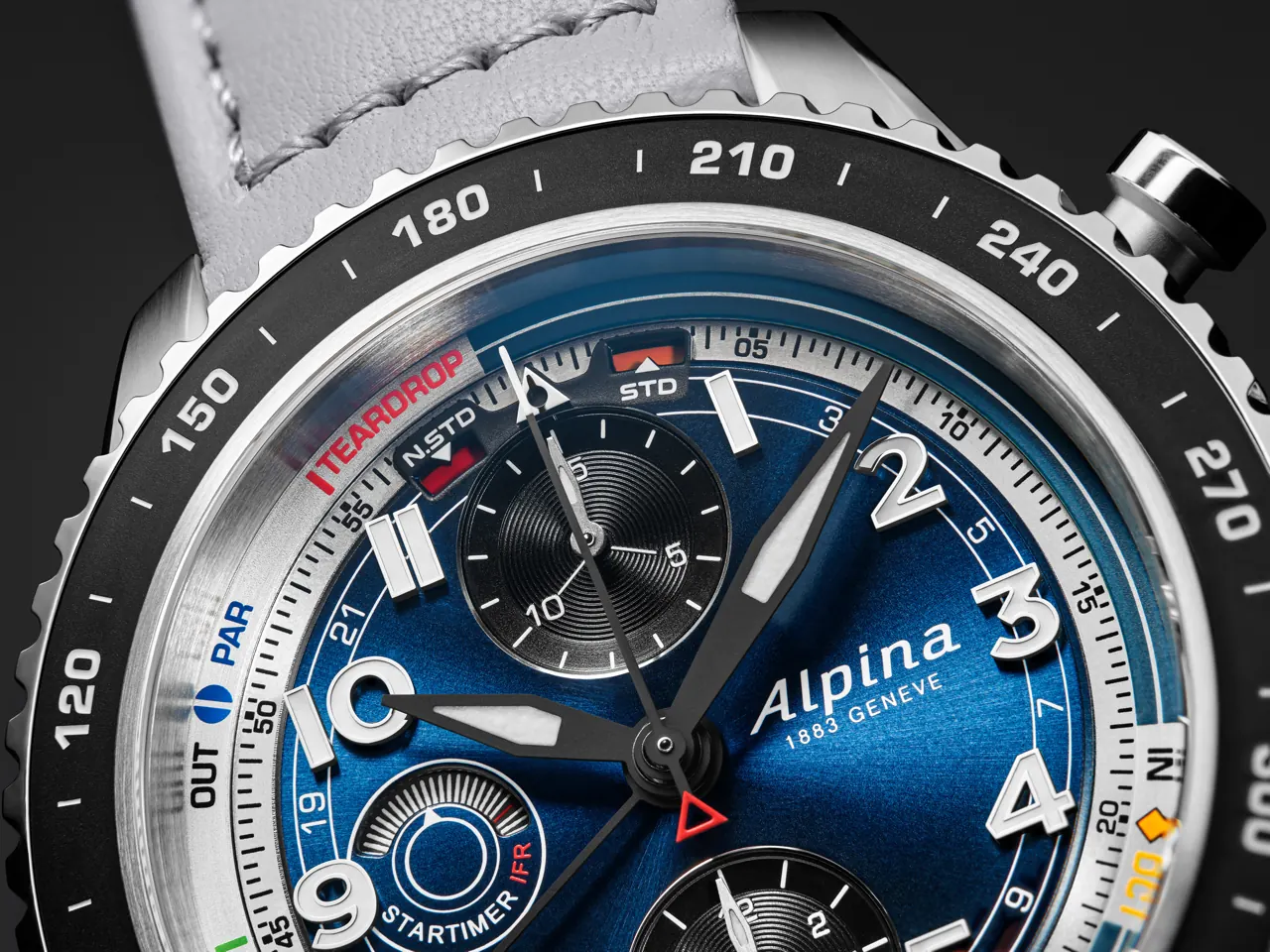
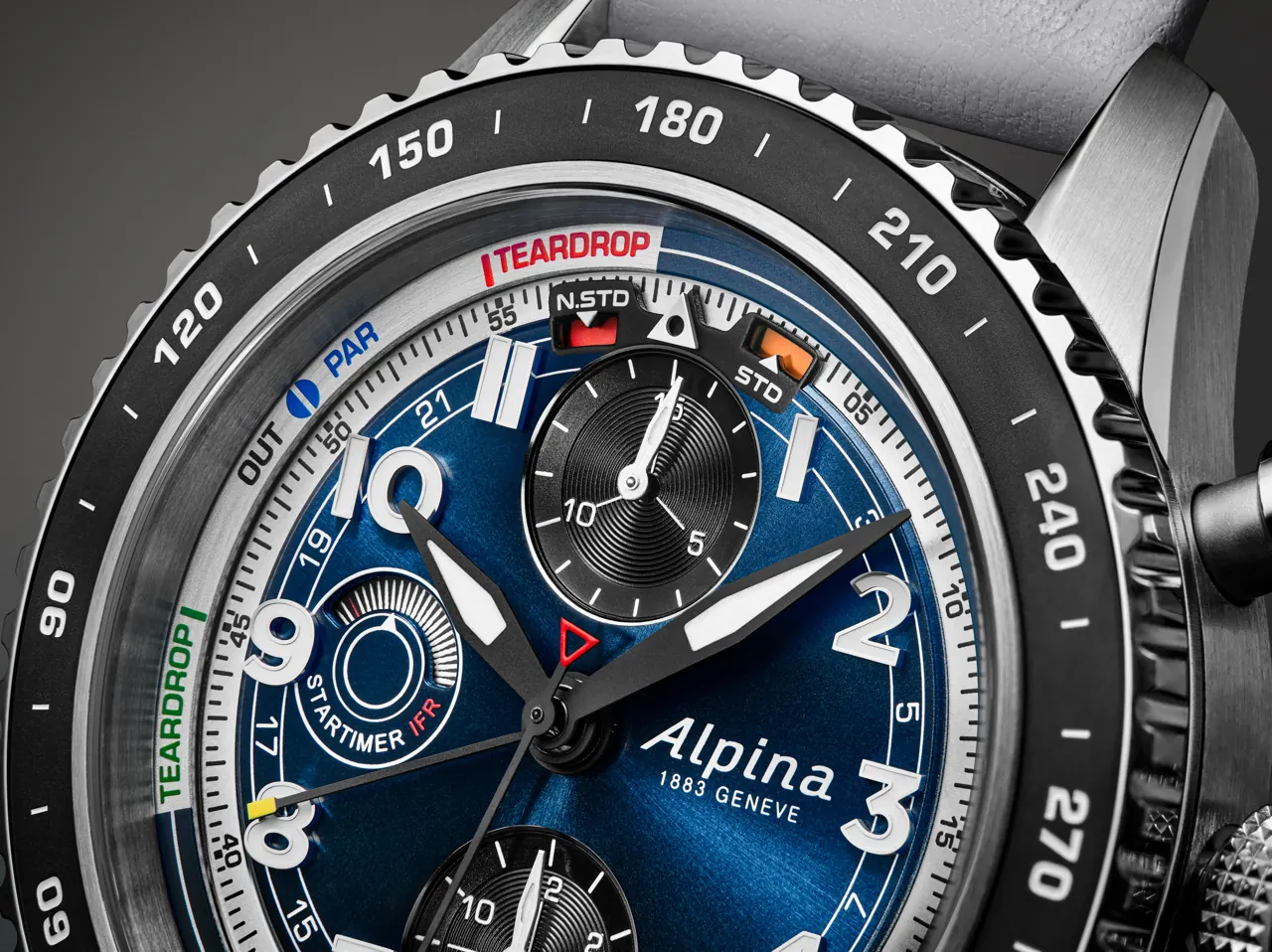
The process is deliberately minimal. Pressing the bidirectional ceramic bezel releases it; the pilot rotates it until the inbound fix heading aligns with twelve o’clock, then releases it and enters their current heading. The watch then displays, mechanically and with no digital assistance, the required heading, whether the turn should be left or right, and the correct entry type. Orange denotes a direct entry, red a teardrop, and blue a parallel. The same information is engraved on the caseback for cross-reference.
Watch Angels CEO Guido Benedini is precise about the watch’s positioning: it cannot and does not replace an aircraft’s certified on-board systems, but it provides genuine redundancy, a principle aviation treats as non-negotiable. In highly complex environments where cognitive load is already high, any reliable secondary reference reduces risk. That is the operational case for this timepiece, and it is a sound one.
Engineering the Impossible in Mechanical Form
What makes this development genuinely rare is that the entire calculation system is mechanical and architecturally separated from the movement. The logic resides in the 44.5mm ceramic bezel and the flange beneath it, components that most manufacturers treat as purely aesthetic real estate. Watch Angels and Alpina have converted them into a computing surface. The movement itself, a 62-hour power reserve automatic calibre, is unaffected.
Case, Dial, and the New Startimer Vocabulary
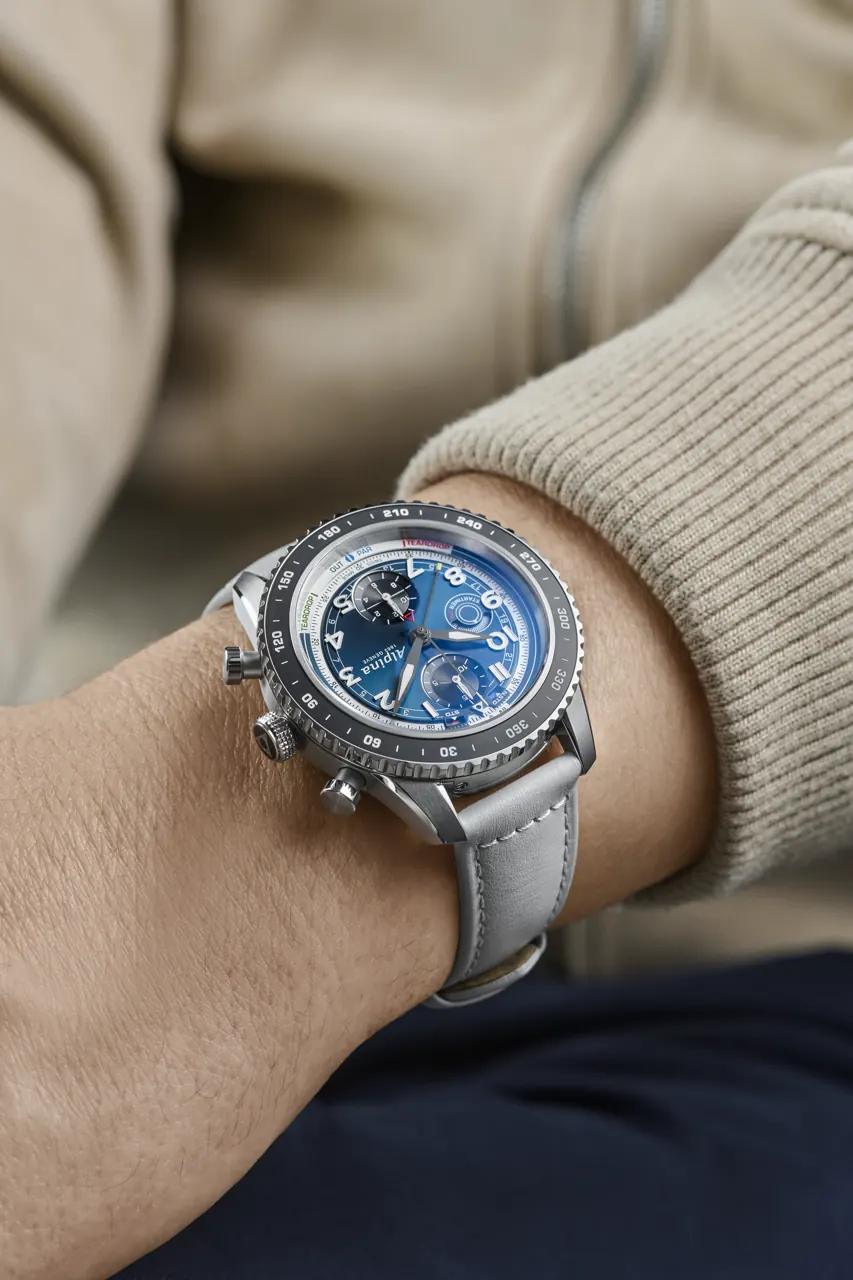
The 43mm case in steel introduces the new Startimer aesthetic launched across the collection in 2026. Every edge between lug and frame is bevelled; the lugs and case frame carry vertical satin polishing, while the bevels themselves are mirror-finished, a restrained but deliberate combination that reads as technical rather than decorative. Water resistance stands at 10 ATM, appropriate for an active pilot’s instrument.
The blue sunburst dial organises a considerable amount of information with clarity. Luminous polished applique Arabic numerals anchor the hour positions. A small seconds hand at 9 o’clock doubles as a running indicator. The UTC hand provides the universal time reference that all IFR communication requires. The 12-hour chronograph counter addresses longer flight phases, approaches, holding times, fuel monitoring, where a standard 30-minute counter would be insufficient. Among professional pilot’s watches from IWC Schaffhausen to Bremont, few integrate these three pillars, action, measurement, and reference, within a single mechanical architecture.
Watch Angels and Alpina: A Collector’s Edition With Operational Credentials
Watch Angels, founded in 2019 and based in Arogno, operates as both a collector community and an independent horological R&D laboratory. Its model, limited production, transparent development, direct community involvement, sits at some distance from the standard industry pipeline. Partnering with Alpina, whose aviation credentials date to the Startimer collection’s founding purpose, gives the project both technical manufacture backing and a heritage context. Alpina Brand Director Oliver van Lanschot Hubrecht describes the IFR as a major technical innovation coinciding with the new case generation. Given how rarely pilot’s watches produce genuinely new functions rather than new aesthetics, that is a fair characterisation.
Three hundred pieces will be made. For the Middle East’s growing community of licensed pilots and serious aviation collectors, a segment that follows Watches and Wonders closely, this edition has the rarity and functional substance to justify collector attention. Pre-sale opens 21 May 2026 at CHF 4,290 via the Watch Angels website.
For more on horology that matters in the Gulf, sign up for our weekly editorial briefing.
Frequently Asked Questions
What is the IFR holding pattern function on the Alpina Startimer Pilot Chronograph Automatic?
The watch features a world-first mechanical IFR holding pattern entry calculator developed with Watch Angels. The bidirectional ceramic bezel allows pilots to instantly determine the correct heading, entry type (direct, teardrop, or parallel), and turn direction by aligning the inbound fix heading with twelve o’clock, then entering their current heading — all displayed mechanically with colour codes: orange for direct, red for teardrop, and blue for parallel.
How many pieces of the Alpina Startimer Pilot Chronograph Automatic IFR will be produced?
The watch is strictly limited to 300 numbered pieces, with pre-sales beginning 21 May 2026 at CHF 4,290 on watchangels.ch.
What are the key specifications of the Alpina Startimer Pilot Chronograph Automatic IFR?
The watch features a 43mm steel case with 10 ATM water resistance, a 62-hour power reserve automatic movement, a UTC hand, and a 12-hour chronograph counter. It introduces the new 2026 Startimer case design with bevelled lugs and vertical satin-polished frame.