Our Editor-at-Large Isabelle Junod met Alain Delamuraz, Chief Executive Officer of Jaquet Droz, at the Manufacture in La Chaux-de-Fonds on Tuesday 6 October 2026, as the Maison was presenting new pieces of the programme he named Disruptive Legacy.
What the interview reveals: a Maison founded in 1738 that has decided to make only works of art, at six and seven figures, for a handful of collectors rather than for a market; a programme called Disruptive Legacy, conceived with Marc A. Hayek, President of Jaquet Droz within the Swatch Group, which looks for the spirit of Pierre Jaquet-Droz rather than the letter of his work; a creative rule of two artists, the one who creates and the one who wears, and sometimes a third between them; and a single point of sale in Switzerland for collectors who come from everywhere.
Jaquet Droz at a Glance
- Founded in 1738 by Pierre Jaquet-Droz at La Chaux-de-Fonds; the Maison turns two hundred and eighty-eight this year and has belonged to the Swatch Group since 2000.
- Alain Delamuraz has led the Maison since 2022, when he launched Disruptive Legacy, conceived with Marc A. Hayek.
- The collection has moved to unique pieces and works of art; the Maison no longer produces pieces under CHF 100,000.
- Everything is made in-house: automata, métiers d’art and unique commissions.
- Creations are built around two artists, the one who creates and the one who wears, and sometimes a third, such as John Howe, Artistic Director of The Lord of the Rings.
- One point of sale in Switzerland, La Manufacture, for a clientele that is global; Asia is the first region, ahead of Europe, the Americas and the Middle East.
A Three-Hundred-Year-Old Start-Up
Jaquet Droz is two hundred and eighty-eight years old, and you describe it with the energy of a start-up. Is that a contradiction?
What matters is not only what you do. It is who you do it with, and above all the spirit in which you do it. When we asked ourselves where we wanted to take Jaquet Droz, we began by remembering where we come from, in order to know where we are going. What Pierre Jaquet-Droz made is extraordinary, but what matters more to me is the spirit in which he made it, and that spirit was disruption, provocation, invention, the making of new ways. That is what we must keep. If you have the spirit, you can be a three-hundred-year-old start-up: invention, creation, challenging yourself, reinventing while respecting.
Does that ask something of you every day?
You challenge yourself every day. The moment you stop, you begin to fall asleep, and sooner or later you die. So you keep the energy, and you keep questioning yourself, permanently.
“Not as serious as a revolution, but faster than an evolution. And the disruptive is benevolent.”
Disruptive Legacy
Where does the name come from?
We asked ourselves, with Marc Hayek and with the rest of the family, what we should do with Jaquet Droz. It is a small Maison with an impeccable record, and a discreet one. Everything was well ordered, very classic, very quiet, very beautiful. That is a fine place to begin, but it called for spirit, a touch of daring. So we went back into the history and into the roots. Marc Hayek said to me, this is Jaquet Droz 2.0. I said it is at least 8.0: add the métiers d’art, add the unique pieces, add the automata, and each one adds a digit.
And the word disruptive?
Not as serious as a revolution, but faster than an evolution. And the disruptive is benevolent. Then there is the legacy, which matters just as much. If we believe we honour the master by doing exactly what he told us to do, exactly as he told us to do it, we die, because we are copying. You have to be inspired, you have to be respectful, and you have to shake things a little, or you fall asleep.
Watches for Kings
You have moved the collection to six and seven figures. Why go that far?
Because of the roots. Pierre Jaquet-Droz made unique works of art for the kings: the King of France, the King of England, the Emperor Qianlong in the Forbidden City. When you make objects for kings, you do not make them for the many. It is one or the other. So we decided to do only that, and we stopped at five figures. Twenty thousand, forty thousand, that is already a great deal for a watch, but it is not the kings.
Does that reading hold outside Europe?
In the Middle East the gift has its own grammar. There are gifts for ambassadors and important clients, there are gifts for ministers, and there are gifts for heads of state. The third is where you are with the kings. We decided to be there only. People tell you that you are mad when you put it that way; when you explain the reasoning, it holds.
It changes the way a piece comes into the world.
When you make a watch for a king or a queen, you are not going to make the same one for another. We do not make watches and then try to sell them. We show what we are able to do, and we create with the person who will wear it. Together.
The Collector Who Bought Classic
You tell a story about a collector you met in Geneva.
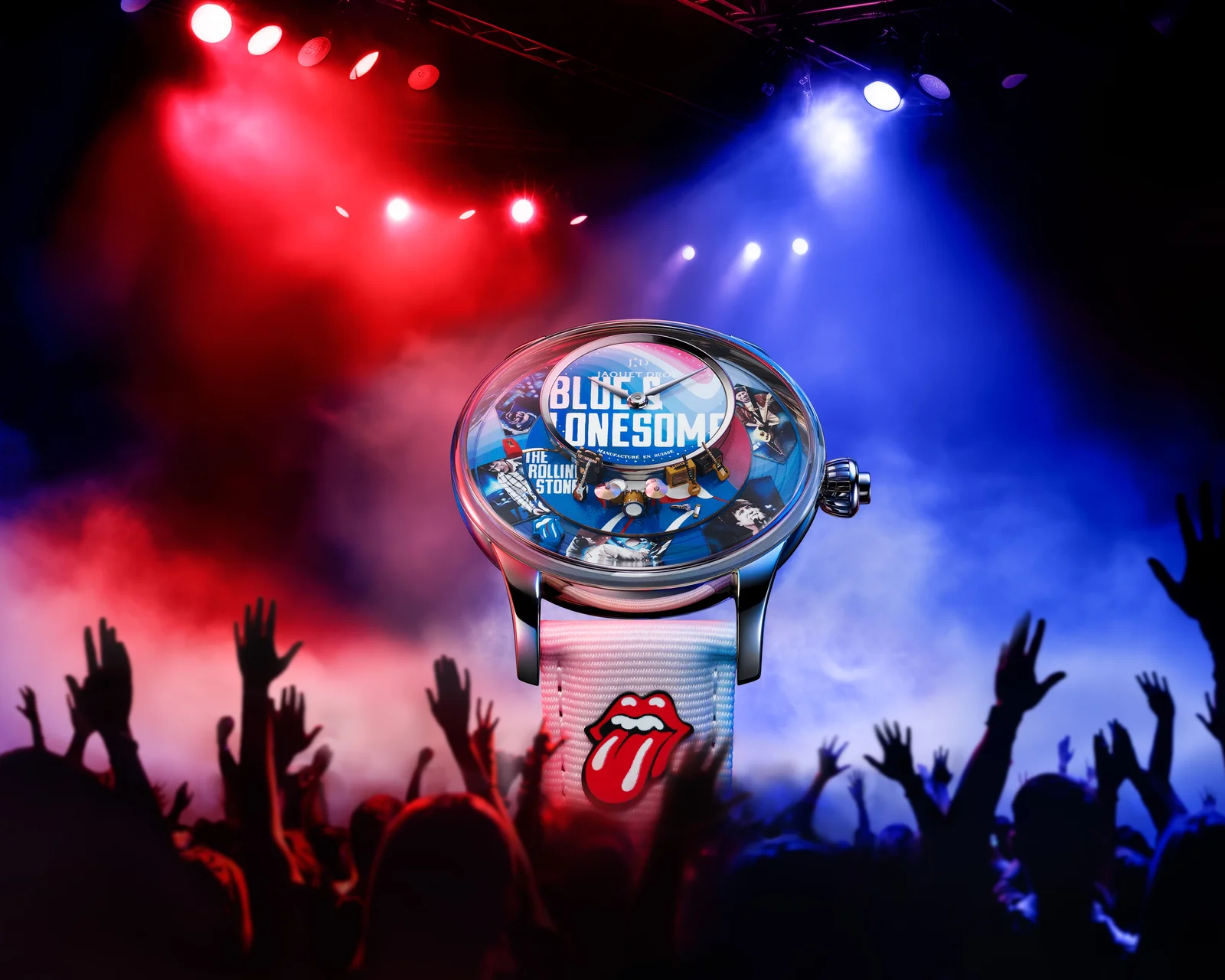
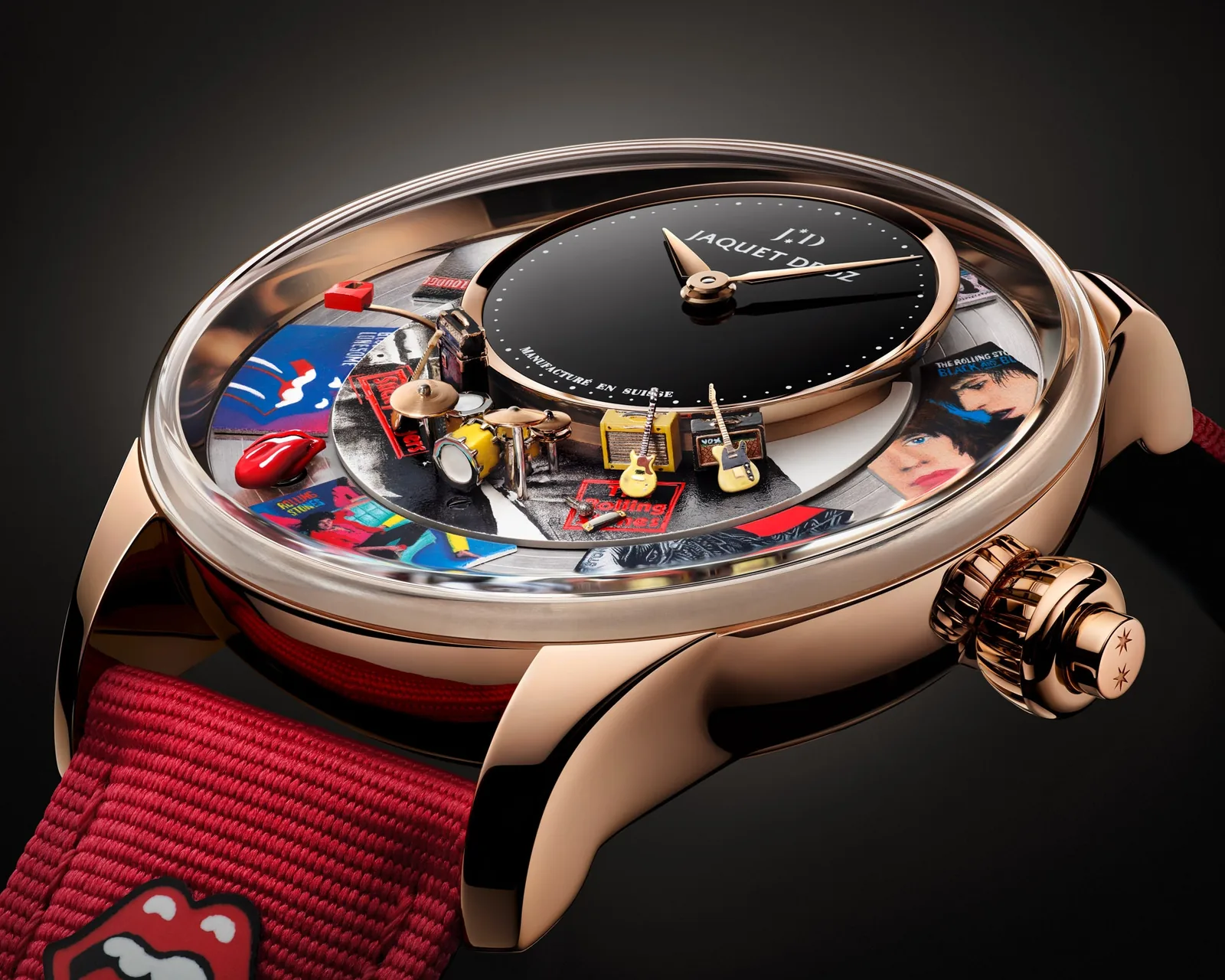
He bought the first Sticky Fingers piece [The Rolling Stones Automaton, CHF 251,000 including taxes] in Geneva, and then he took four very classic pieces and two pocket watches, and you could not be more classic than that. I asked him whether, having just chosen the most rock and roll piece we have ever made, he was not afraid to buy classic. He said he is not a man for sapphire and skulls, he is rather classic. But he does not want to buy classic from a Maison that only does classic. He wants to buy classic from a Maison that moves, that questions itself, that is responsive to change.
Is everything made in-house?
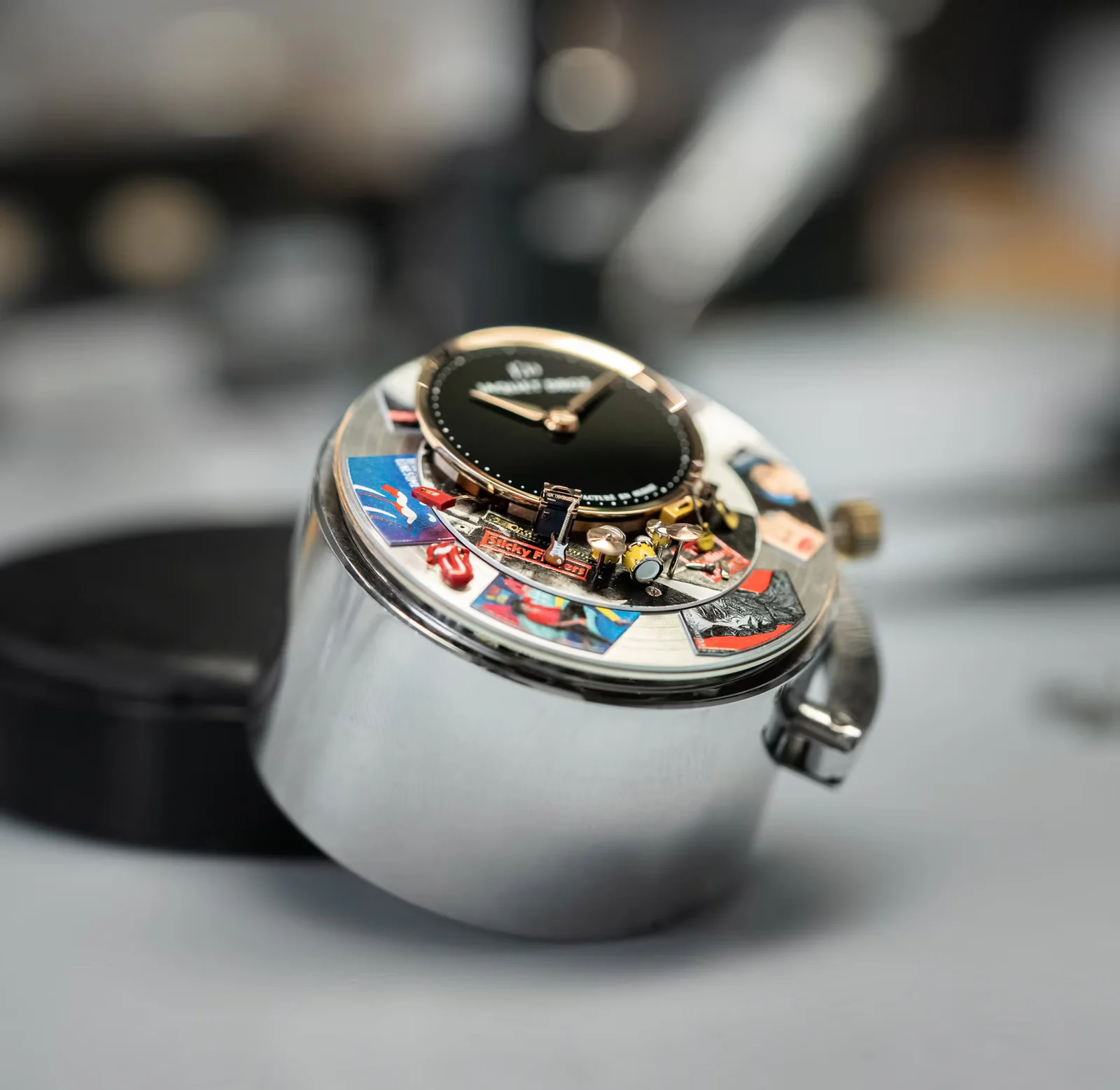
Everything. People ask who made this for us, and the answer is our own people, here. Come and see.
“Authenticity plus passion gives emotion. And without emotion, you do not really have luxury.”
Two Artists, and Sometimes Three
You say every creation is born of two artists.
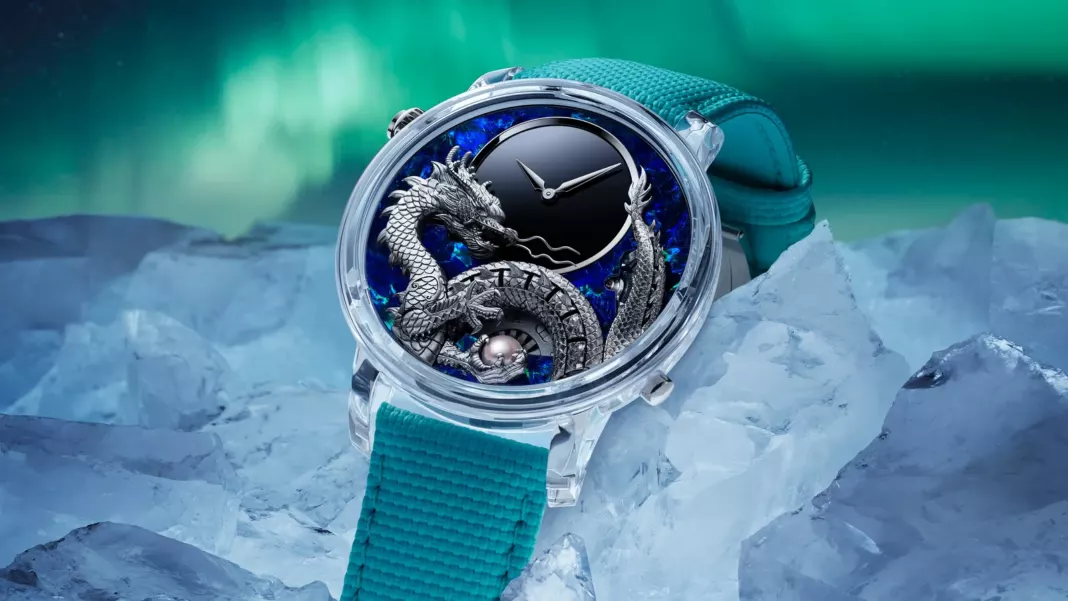
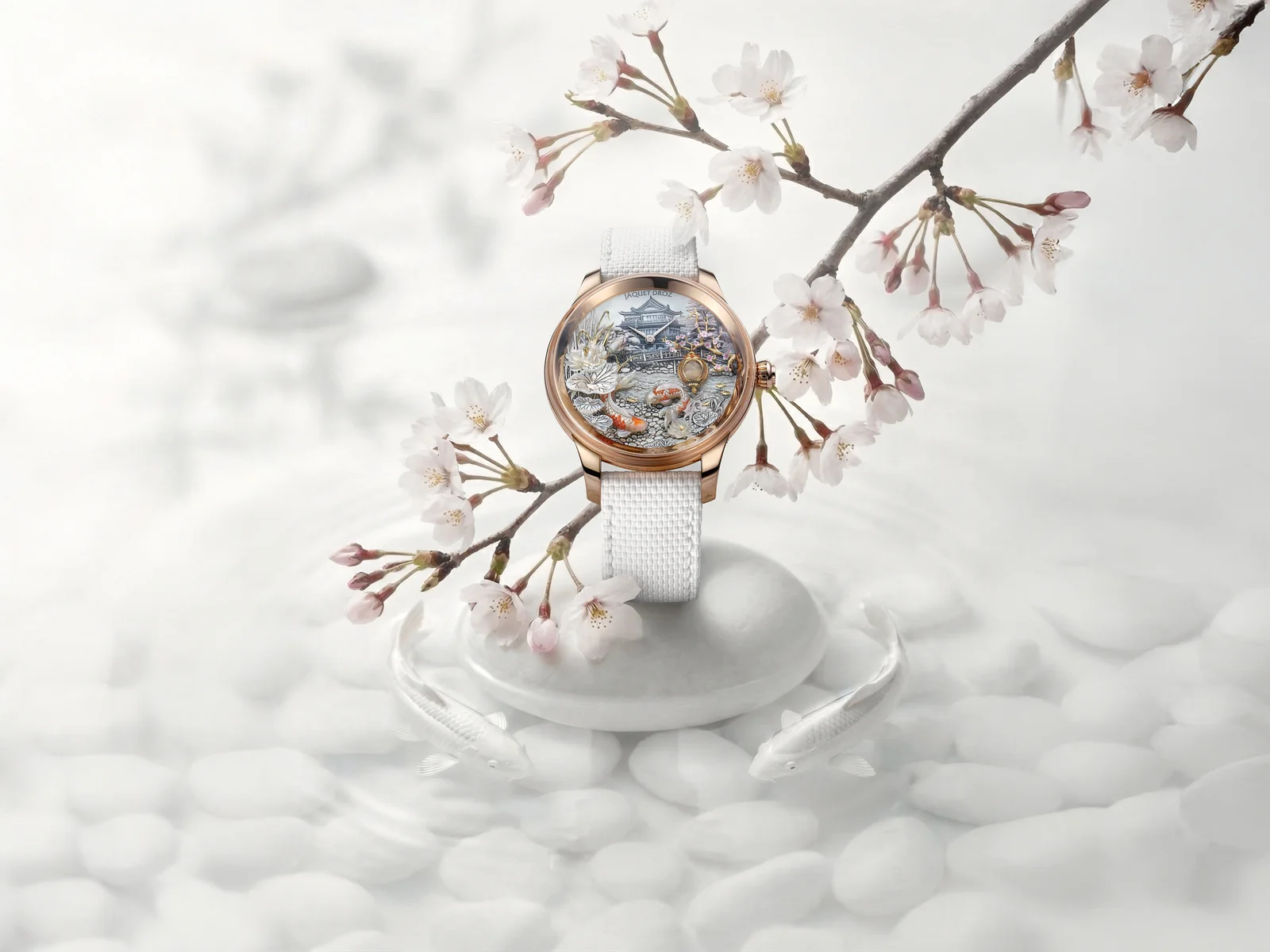
Two artists: the one who creates and the one who wears. With those two words, disruptive legacy, everything is said. And sometimes there is a third artist in the middle. John Howe, Artistic Director of The Lord of the Rings, works with our artists to bring a reduction of his world onto a dial. Our Chinese artist, Wang Limin, does the same in her own language. Then the third artist arrives: the collector who will wear it.
Who chooses the artist?
Everything is possible. We had the contact with John Howe, so the proposal came from us. But a collector in Dubai loved the work of an Indian artist and wanted that artist in his watch. The artist cannot work alone: he has to work with ours, because they know how to bring that into a timepiece. So yes, sometimes the collector arrives with the artist he loves.
How long does it take, from the first meeting to the wrist?
From twenty minutes to four years. A collector from China was here while I was showing him the pieces, and he wanted the watch I had been wearing for six months [the CEO Watch: Tourbillon Skelet Saphir – Crazy Skull, CHF 362,000 including taxes]. Twenty minutes later it was settled. And when someone asks for a complicated new movement, it is three to four years.
Collectors, Markets, and Queens
What do your collectors have in common?
Everyone is different, thankfully; you never meet the same person twice. Some want the piece now. Others are thinking about the generation that follows. In India a client stopped in the middle of a purchase and called his son, because he wanted to be certain that his son was sensitive to this form of art, and that he would be proud to receive it one day. That is a real legacy.
Where are your markets?
The question is not where you sell, but to whom. We have one point of sale, here in Switzerland, and our collectors come from everywhere; we meet them everywhere. Asia is probably the first region. When we sold the first five dragons of the Lord of the Rings, one went to Europe, one to the United States, one to the Middle East and two to Asia, which is a fine balance. At Milano Watch Week we placed several important pieces, one of them to a collector who had come from China. It is not that Italy is a market: it is the exhibition and the collectors gathered in one place that make the market.
And women?
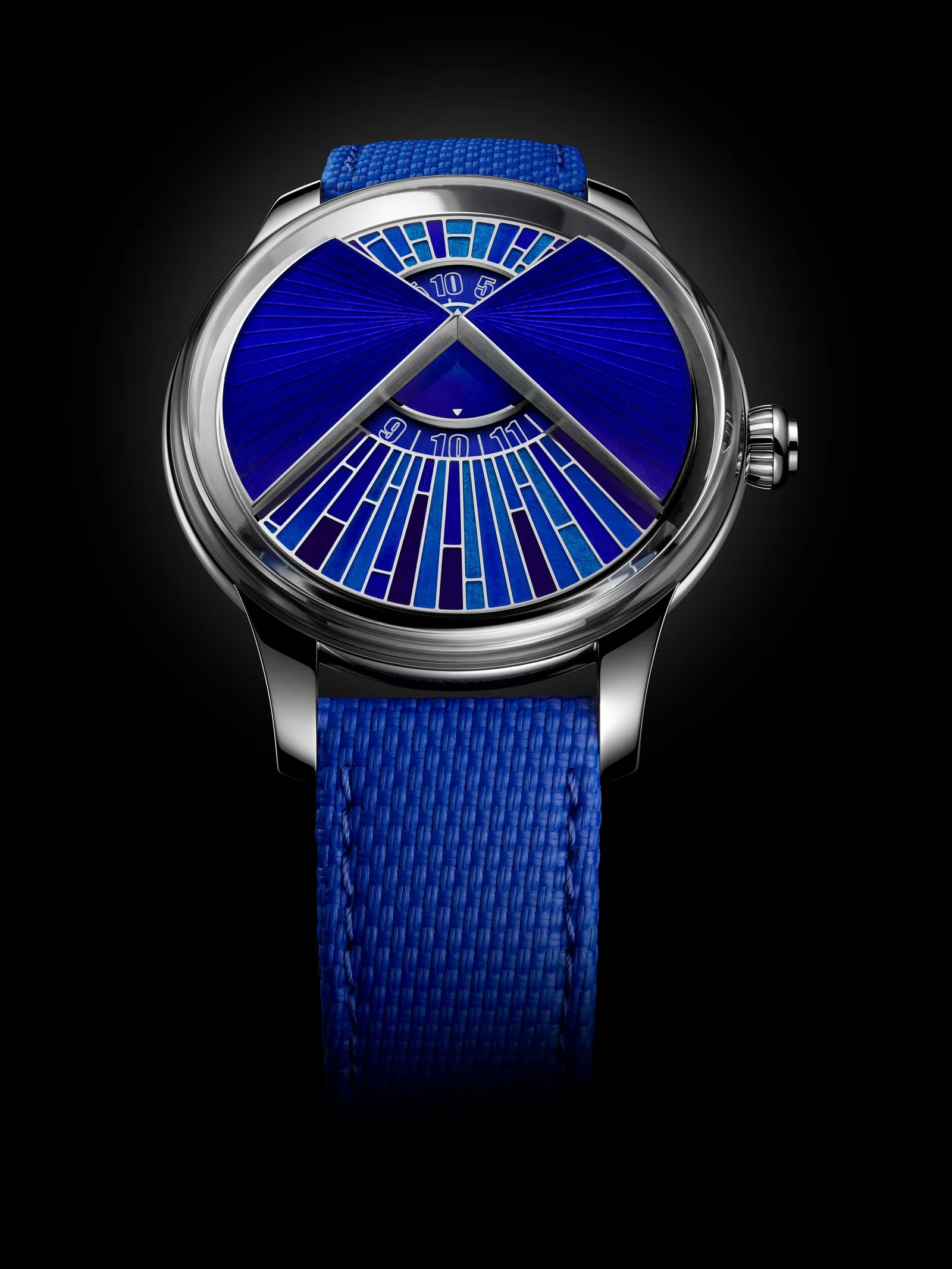
For me the Maison has always been feminine. The watches are elegant and thin, and they are unisex. Today we have more men among our collectors, and I do not see why watchmaking art should remain for men. I would like to make more works of art created by women and dedicated to women, and to speak of queens as well as kings.
Several of your pieces no longer carry a logo.
That is deliberate. It is not a commercial object to be recognised. It is a work of art you own for yourself.
Interview by Isabelle Junod, Editor-at-Large, WATCHESPEDIA.