
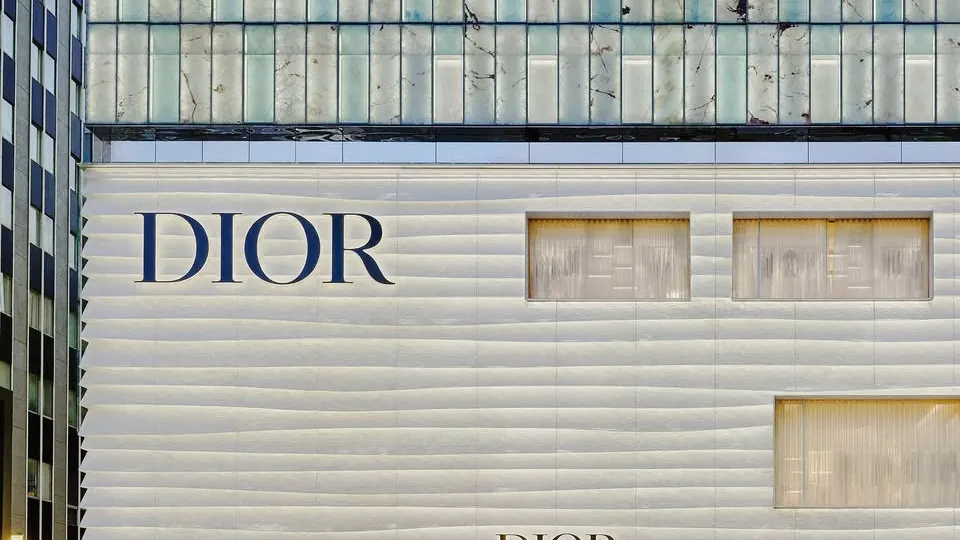
Key Highlights
- New Dior flagship in Osaka’s Shinsaibashi district, spanning four floors
- Façade by Japanese architect Sou Fujimoto; interiors by Peter Marino
- Art installation integrated throughout the building
- Top-floor restaurant Monsieur Dior directed by Michelin-starred chef Anne-Sophie Pic
Osaka’s Shinsaibashi, long established as one of Japan’s most discerning retail corridors, now holds Dior’s most architecturally ambitious address outside Paris. The House of Dior Shinsaibashi brings together fashion, fine art, gastronomy, and spatial design across four floors, each layer of the building speaking a distinct language while remaining coherent as a single cultural statement.
Sou Fujimoto’s Façade: Architecture as Dialogue
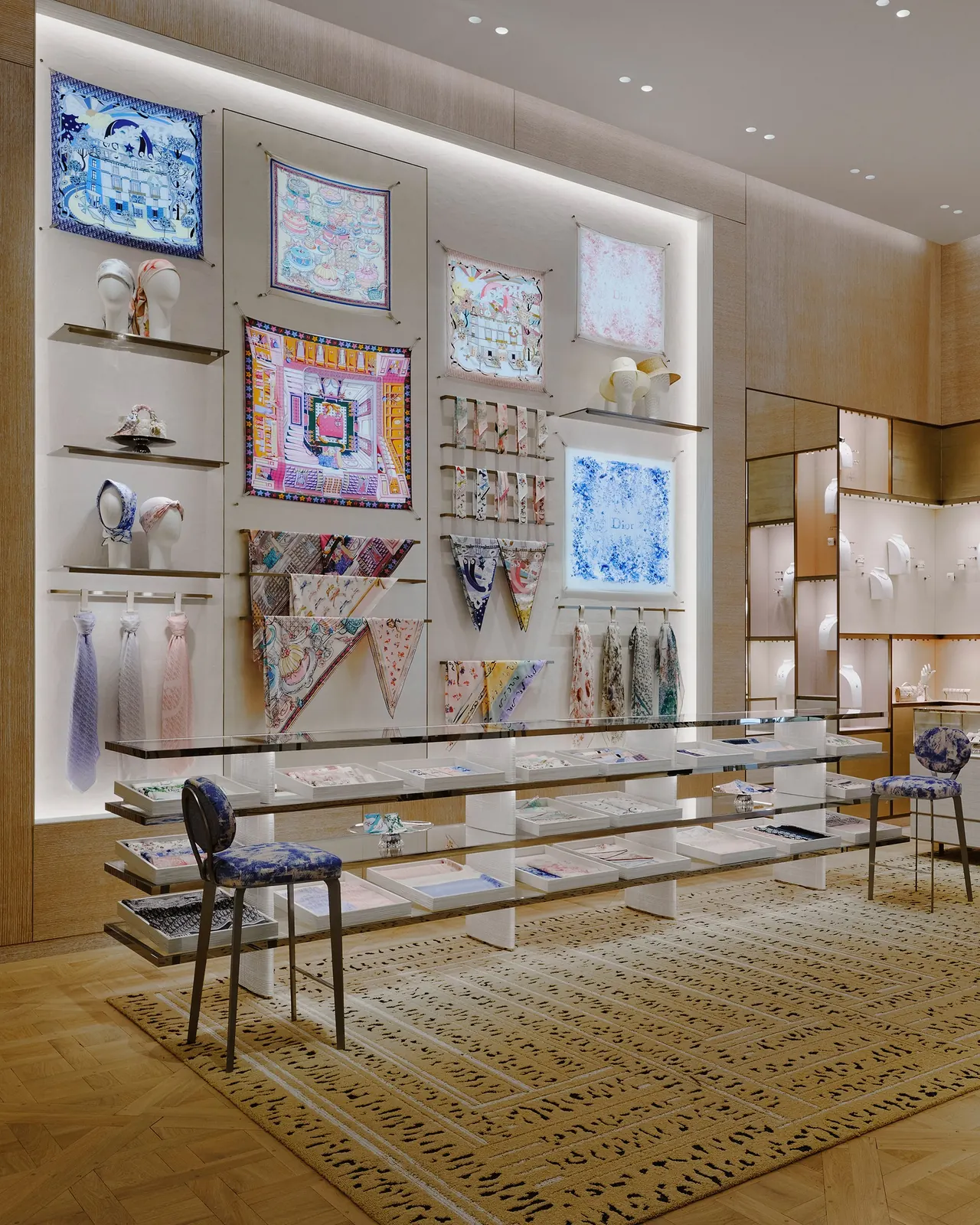
Sou Fujimoto, known for structures that blur boundaries between nature and the built environment, brings that same spatial philosophy to the Shinsaibashi exterior. His façade reads as both shelter and invitation: a surface that filters light and draws the eye before a visitor has stepped through the door. For a house whose founder placed such weight on the architecture of dress, the choice of Fujimoto carries deliberate resonance.
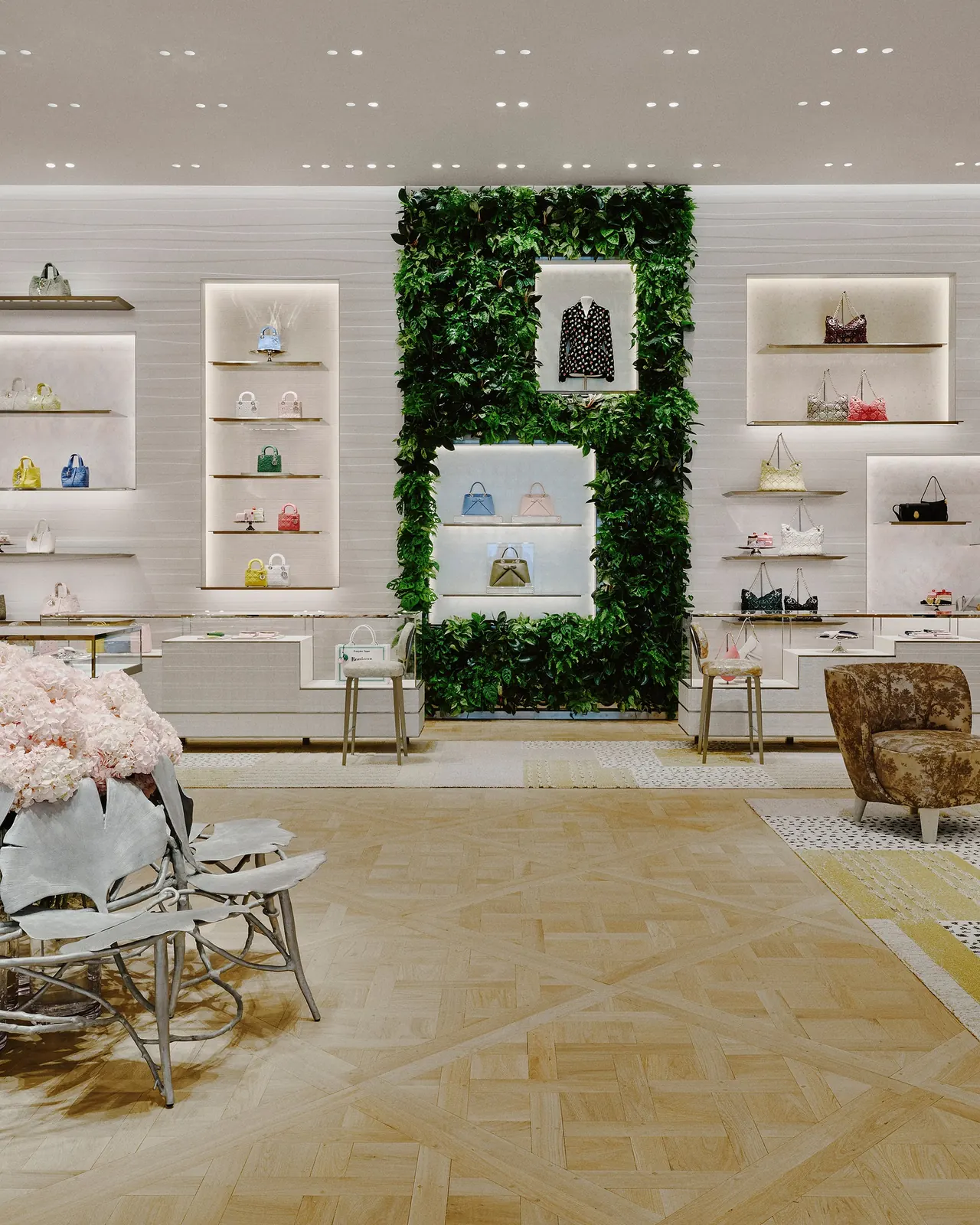
Peter Marino, who has shaped the interiors of flagship maisons for Dior across continents, alongside peers such as Hermès and Van Cleef & Arpels in their own landmark addresses, extends his signature vocabulary inside: considered material weight, gallery-calibre lighting, and spatial proportions that make retail feel secondary to the experience of being present. The result is an interior that privileges attention over transaction.
Art as Architecture
An installation of artworks is woven into the building rather than appended to it. This is consistent with Christian Dior’s own appetite for the visual arts, a collector’s disposition that the house has sustained across successive creative directors. In Shinsaibashi, art is structural: it orients the visitor’s movement through the floors as much as any signage would.
Monsieur Dior: Anne-Sophie Pic at the Summit
The top floor belongs to Monsieur Dior, the restaurant entrusted to Anne-Sophie Pic. Among the handful of female chefs to hold three Michelin stars and one of the most influential culinary voices in France, Pic brings a sensibility that mirrors Dior’s own: classical rigour, personal expression, and an insistence on the highest grade of ingredient. For Middle East travellers who anchor visits to Japan around exceptional dining, Monsieur Dior will be a primary destination in its own right, not an afterthought to the shopping floors below.
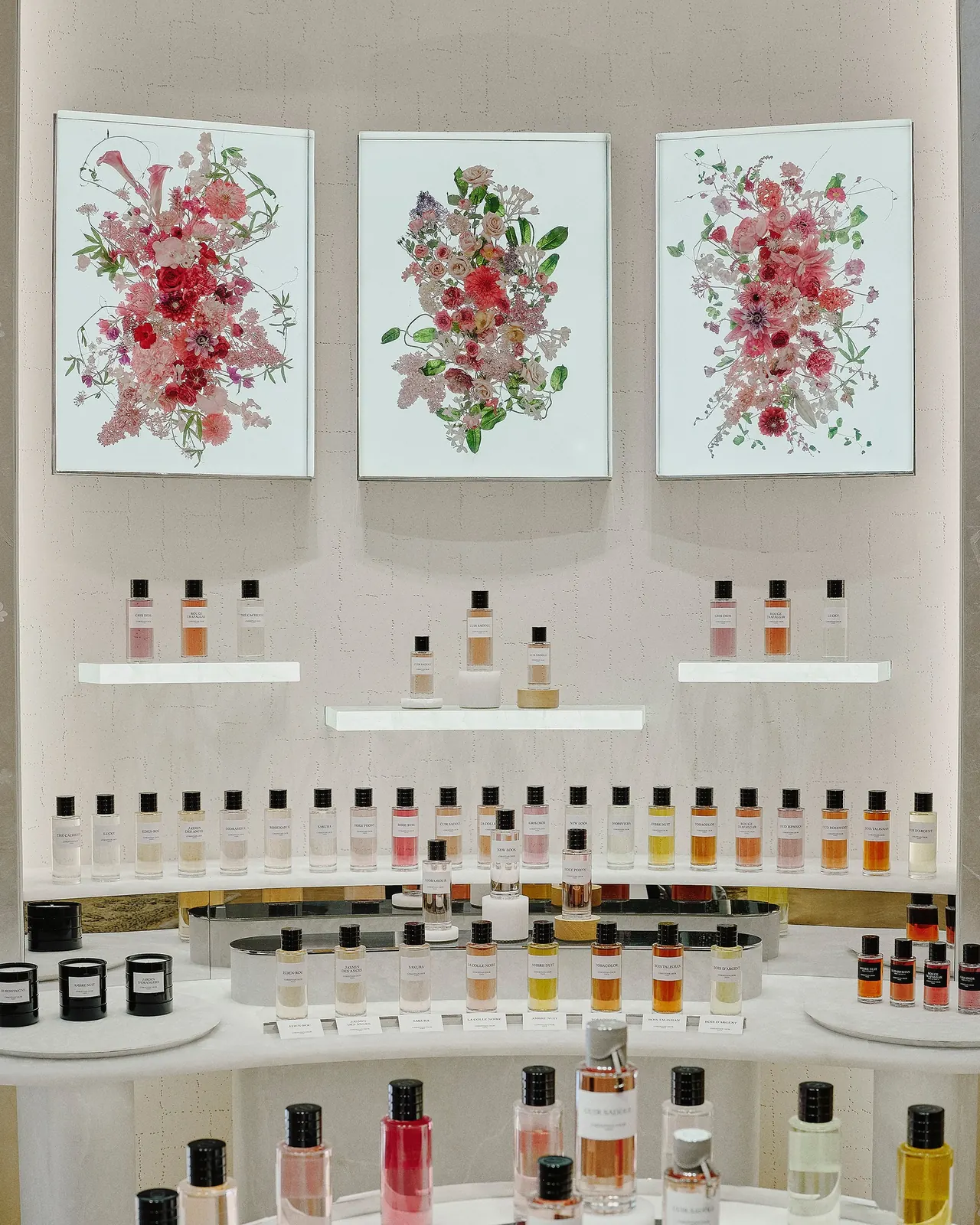
The House of Dior Shinsaibashi is, in aggregate, a case study in what a luxury maison can mean when it treats a building not as a sales environment but as a full cultural proposition. Osaka already commands serious attention from collectors across the Gulf, those who follow the same axis of high horology, fine dining, and architectural travel that leads from Dubai to Tokyo via the world’s most considered addresses. Among houses like Piaget and others investing in the experiential dimension of luxury retail, Dior’s Shinsaibashi sets a new standard for what that investment can produce.
Discover the watches shaping the Middle East market. Join our mailing list for ongoing reviews, releases, and collector insights.
Frequently Asked Questions
Who designed the façade of House of Dior Shinsaibashi?
Japanese architect Sou Fujimoto designed the façade, creating a surface that filters light and serves as both shelter and invitation. Fujimoto is known for structures that blur boundaries between nature and the built environment, bringing that same spatial philosophy to the Shinsaibashi exterior.
Which chef runs the Monsieur Dior restaurant at the top floor?
Anne-Sophie Pic, one of the handful of female chefs to hold three Michelin stars, directs Monsieur Dior. Pic brings a sensibility that mirrors Dior’s own through classical rigour, personal expression, and an insistence on the highest grade of ingredient.
How many floors does the House of Dior Shinsaibashi span?
The flagship spans four floors, with each layer speaking a distinct language while remaining coherent as a single cultural statement. The building brings together fashion, fine art, gastronomy, and spatial design across these floors.