The Legacy of the Laureato
The Laureato emerged in the 1970s as one of the first luxury sports watches. It combined formal proportions with sports-watch durability—a positioning that proved decisive for an emerging collector segment.
From Quartz to Mechanical Mastery
Early Laureato models used quartz movements, which offered accuracy and low maintenance at a time when mechanical watches were perceived as dated. As collector appetite shifted toward mechanical watchmaking, Girard-Perregaux reintroduced the line with in-house calibres, anchoring the Laureato to the manufacture’s horological foundations.
Design Evolution
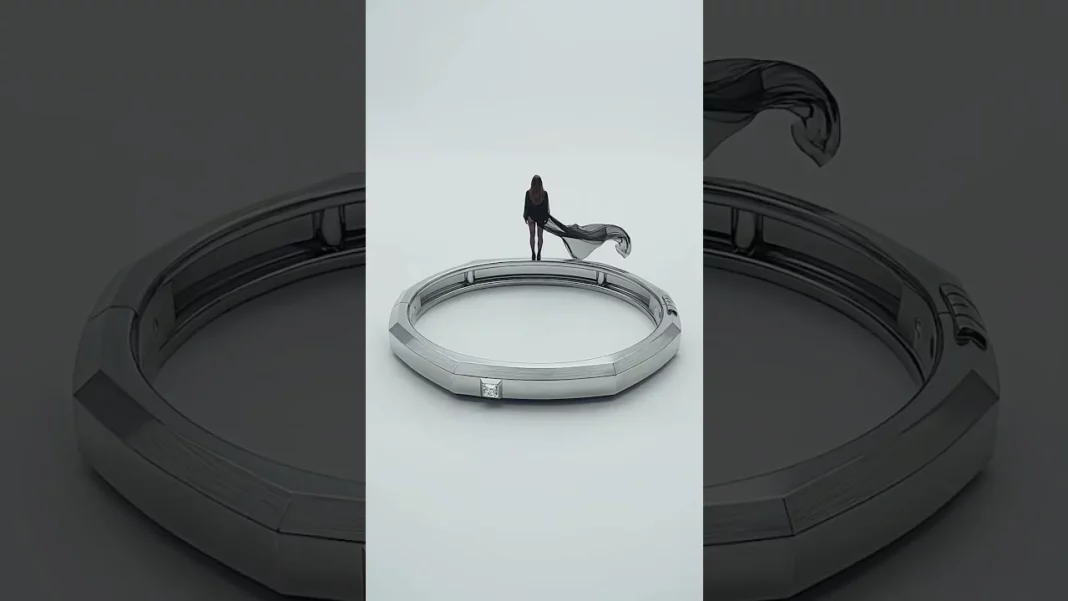
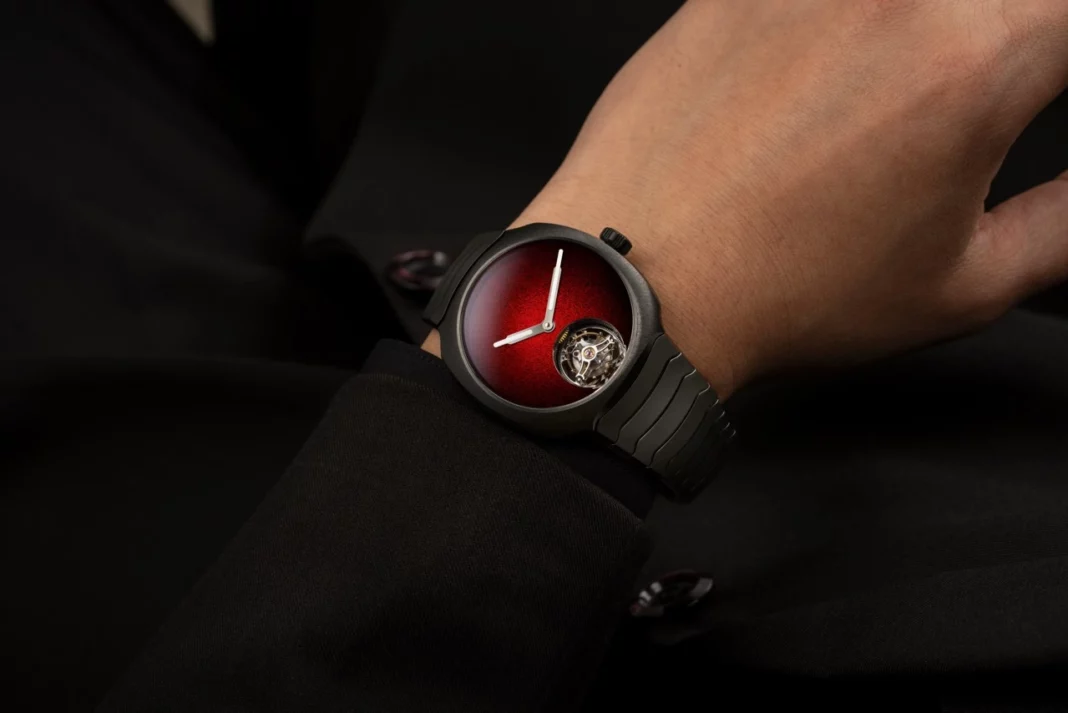
The octagonal bezel and integrated bracelet remain the Laureato’s defining visual signature. This geometry sets it apart from round-cased sports watches and gives the case its distinctive footprint on the wrist. Successive generations have introduced new dial finishes, case materials, and bracelet links while preserving the core proportions that define the model.
Inside The Manufacture: Fifty Years Of The Legendary Laureato
Each component undergoes assembly in Girard-Perregaux’s manufacture. Recent iterations have raised finishing standards and refined movement performance without departing from the DNA established in 1975.
Legacy and Impact
The Laureato established a template that competitors have emulated: the integrated bracelet sports watch with genuine manufacturing credentials. It resonates across collector demographics—from those who own 1970s originals to newcomers drawn by current limited editions and dial variations. For those interested in experiencing this timepiece, explore GIRARD PERREGAUX collections and discover the Laureato heritage.
Frequently Asked Questions
When was the Girard-Perregaux Laureato first introduced?
The Laureato emerged in the 1970s as one of the first luxury sports watches, combining formal case geometry with sports-watch durability.
What makes the Laureato’s design distinctive?
The Laureato features an octagonal bezel and integrated bracelet. This geometry distinguishes it from contemporary round-cased sports watches and defines its visual identity across five decades.
Has the Laureato’s movement technology changed over time?
Early Laureato models used quartz movements. Later generations transitioned to mechanical movements manufactured in-house, grounding the model in Girard-Perregaux’s watchmaking heritage.