The Importance of Anglage – Bevelling
Anglage—the bevelling of component edges—separates haute horlogerie from mass production. Watchmakers at LAURENT FERRIER employ this technique to transform mechanical assemblies into objects of visual refinement. Each beveled edge catches light in a way that communicates investment in finishing.
A Closer Look at the Craftsmanship
Defining Anglage
Anglage involves chamfering the edges on movement components—plates, bridges, wheels—by hand. The watchmaker cuts and polishes each edge at a precise angle to create surfaces that reflect light distinctly. The resulting play of highlights and shadows across a movement’s architecture signals whether the manufacture has invested time in this labor-intensive finishing step.
The Mastery Behind the Technique
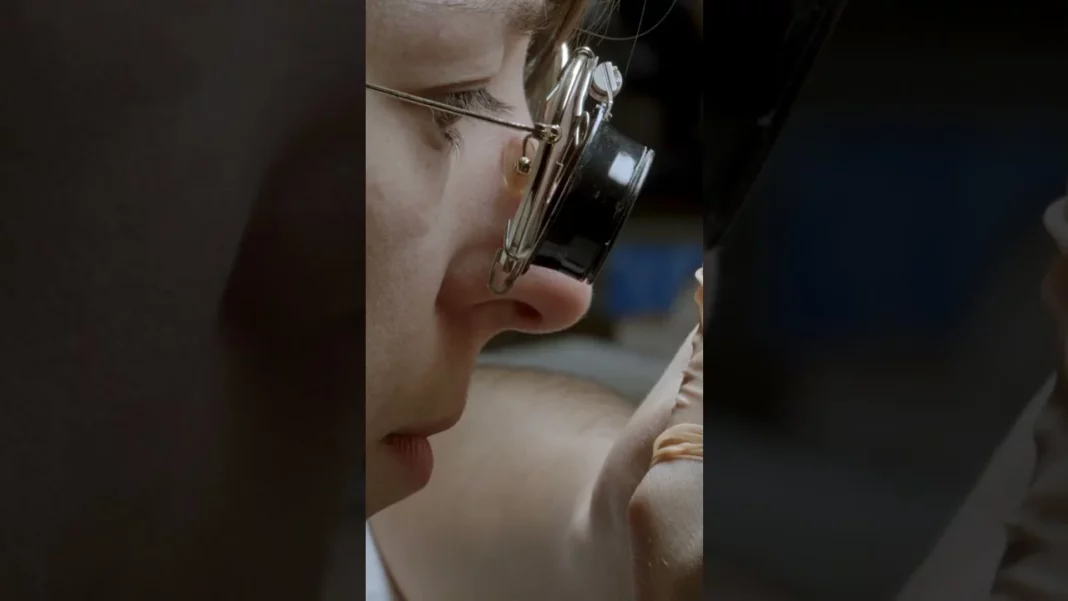
Anglage demands a steady hand and spatial judgment built over years at the bench. Each watchmaker develops a personal approach: some prefer sharper angles, others softer transitions. The tool—a file, stone, or specialized wheel—moves at speeds and pressures calibrated to the material. A single edge on a single bridge can consume hours. This is why anglage distinguishes hand-finished watches from production models where edges remain machine-cut and unpolished.
Symbol of Prestige
Collectors recognize anglage as a marker of commitment to finishing standards. A watch displaying beveled edges on visible components—visible through a display caseback or via movement photography—tells a buyer that the manufacture prioritizes surfaces that only the owner may ever examine. This deliberate spending of labor on invisible or semi-visible work defines luxury watchmaking culture.
Conclusion
Anglage exemplifies the logic of luxury finishing: effort applied to details the wearer seldom sees, executed because standards demand it. The beveled edges transform a mechanical assembly into an object worthy of extended examination. A watch that showcases this work represents a manufacturer’s philosophical commitment to craft, not merely its commercial positioning.
Frequently Asked Questions
What is anglage in luxury watchmaking?
Anglage involves chamfering the edges on movement components by hand. Each edge is cut and polished at a precise angle to create surfaces that catch light distinctly, revealing the watchmaker’s attention to finishing.
Why is anglage considered important in haute horlogerie?
Anglage distinguishes hand-finished watches from production models and signals a manufacture’s commitment to finishing standards. A watch displaying beveled edges on visible components tells buyers that the maker prioritizes labor-intensive work on details that may never be examined by anyone but the owner.
What skills are required to master the anglage technique?
Anglage demands a steady hand and spatial judgment built over years at the bench. Each watchmaker develops a personal approach to angle and finish. The tool—file, stone, or wheel—moves at calibrated speeds and pressures. A single edge can consume hours to execute properly.