The Art of Anglage in Watchmaking
Anglage, or chamfering, is the process of smoothing and polishing the edges of movement parts. This finishing technique serves dual purposes: it creates bevelled surfaces that catch light at specific angles, and it reduces friction between components by removing sharp edges that might bind during assembly or operation.
Understanding Anglage
Anglage transforms raw metal edges into bevelled surfaces that reflect light in distinct ways depending on angle and finish depth. A 45-degree chamfer on a balance cock, for example, will display differently under lamplight than a rounded edge on a gear wheel. Beyond aesthetics, the process directly impacts function—eliminating stress concentrations at edges prolongs component life and contributes to chronometric stability. The technique demands hand-finishing skill; a machine chamfer leaves tool marks that no polishing fully conceals, whereas a hand-finished anglage shows consistent, directional scratch patterns that signal quality control.
The Significance of Anglage
Finishing standards separate brands in the luxury segment. KONSTANTIN CHAYKIN watches demonstrate this principle through consistent anglage across all visible movement surfaces. The balance bridge, pallet fork, and wheel cock all receive defined bevelling and polishing. This standardization across every movement component—not just showcase parts—signals production discipline. A watch with anglage only on the balance cock but sharp edges on the escape wheel reveals cost-cutting; KONSTANTIN CHAYKIN’s approach eliminates such shortcuts, setting their pieces apart through comprehensive finishing rather than selective detail work.
Showcasing the Anglage Technique
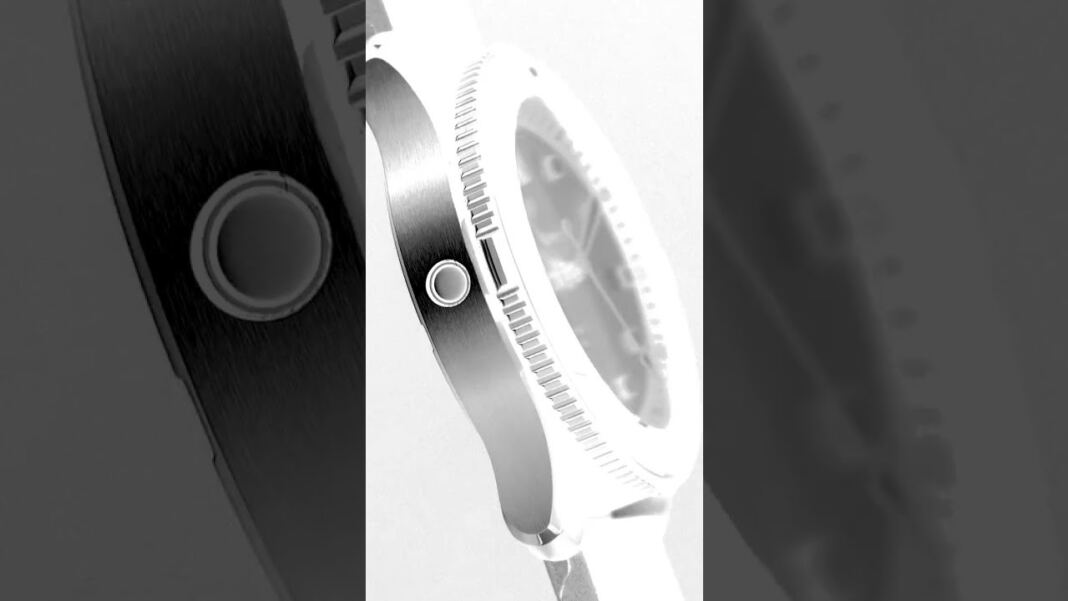
The embedded video demonstrates the actual grinding, filing, and polishing sequence used to achieve anglage on a typical movement plate. Close-ups reveal how light plays across completed bevels and the hand motions required to maintain uniform chamfer widths across multiple parts. By observing the process firsthand, viewers understand why anglage commands labour cost and why shortcuts—such as belt-sanding all edges uniformly—cannot match hand-finishing results. KONSTANTIN CHAYKIN’s commitment to this approach directly accounts for the finishing standards expected from independent watchmakers operating at this tier.
Exploring KONSTANTIN CHAYKIN Collections
For those examining finishing detail in contemporary watchmaking, KONSTANTIN CHAYKIN’s collections provide clear reference points. Each piece displays finish specifications documented in movement photography rather than marketing language alone. The brand’s transparency regarding technique allows collectors to assess anglage consistency and depth across their entire portfolio. To examine these specifications and explore available models, click here to explore KONSTANTIN CHAYKIN collections.
Understanding anglage—from the geometry of the chamfer to the labour required for execution—clarifies why finishing detail influences both horological value and long-term performance. Watchmakers who maintain consistent anglage standards across every movement plate ensure that their pieces retain both visual coherence and functional reliability across decades of use.
Frequently Asked Questions
What is anglage in watchmaking and why is it important?
Anglage, also known as chamfering, is the process of smoothing and polishing the edges of movement parts to enhance both aesthetic appeal and functionality. Beyond its decorative purpose, anglage reduces friction and ensures the watch operates smoothly, making it a crucial technique in luxury watchmaking.
How does KONSTANTIN CHAYKIN use anglage in their watches?
KONSTANTIN CHAYKIN applies anglage consistently across all visible movement surfaces, with each part finished to create a product that combines functionality and visual precision. This comprehensive approach to finishing elevates their timepieces and distinguishes them in the competitive luxury watch market.
What skills are required to perform anglage properly?
Anglage requires skill and precision, as watchmakers must carefully transform raw metal edges into bevelled surfaces that reflect light properly while maintaining component functionality. The technique demands hand-finishing ability and understanding of chamfer geometry, reflecting a watchmaker’s technical competency and attention to craft standards.