The Standout Details
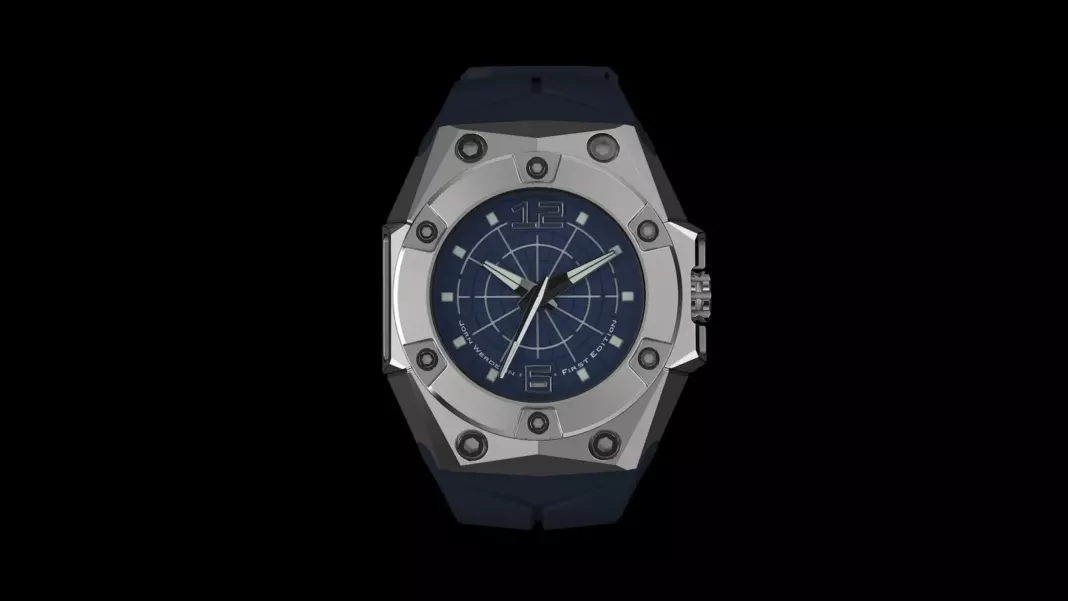
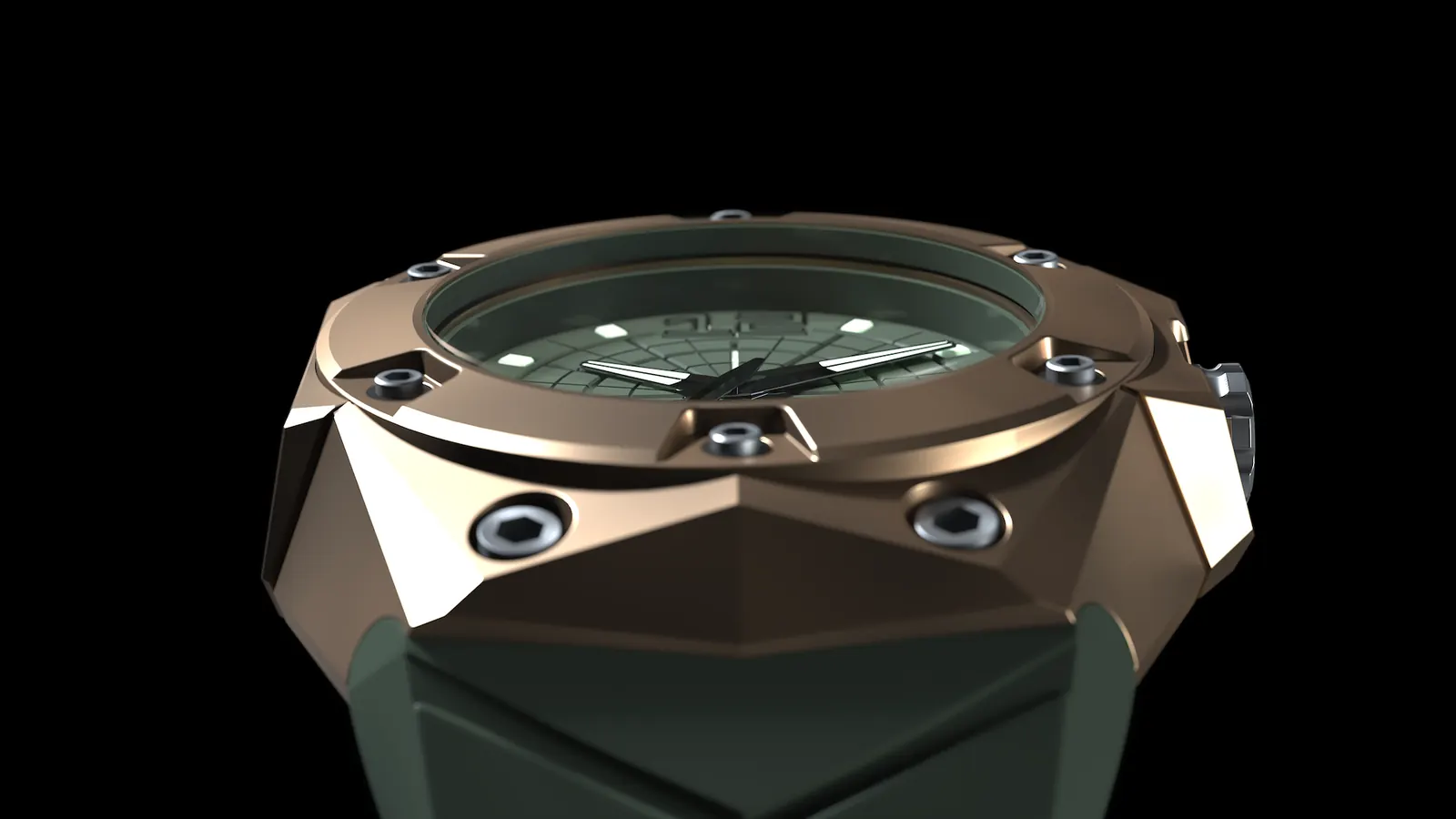
- The Oktopus III is a fully new watch, not a refresh: new LW09 movement, new dial and hands, and a case redesigned at every angle.
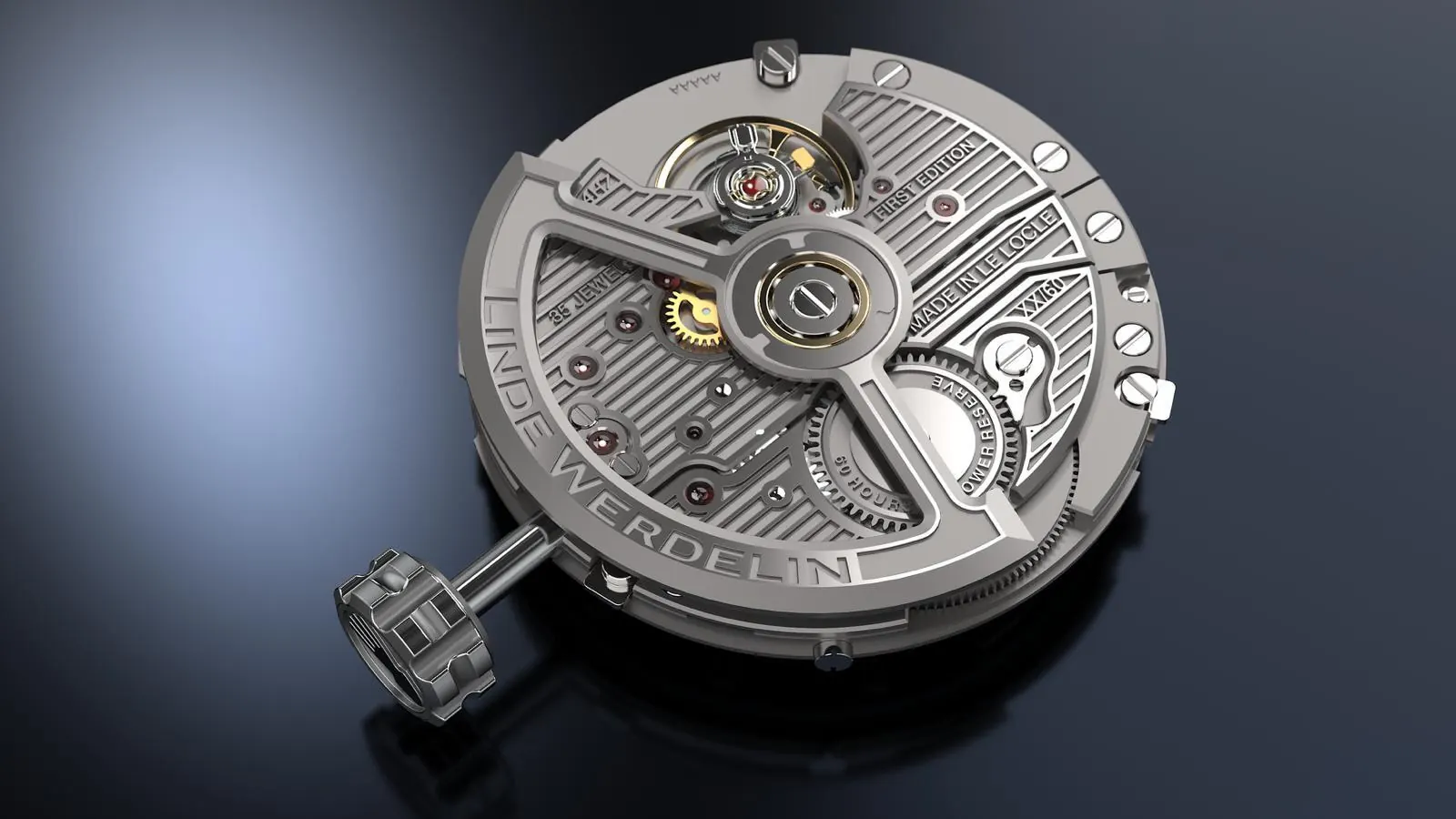
- The LW09 calibre was designed and developed with Jean-François Mojon and his team at Chronode in Le Locle, Switzerland.
- All components are 100% Swiss-made, drawing on the watchmaking traditions of Le Locle, La Chaux-de-Fonds and Geneva.
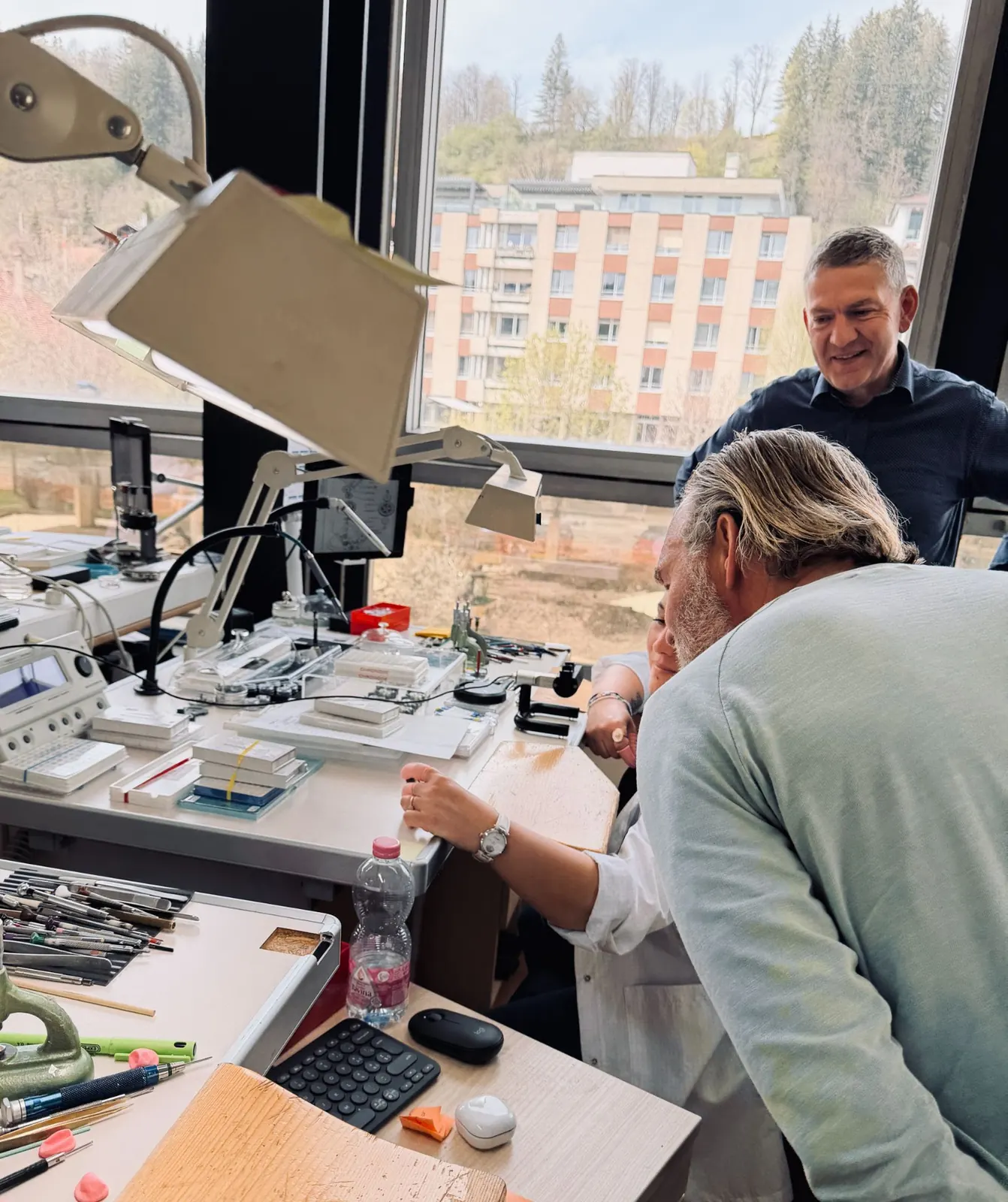
- The project absorbed the better part of two years, with founder Jorn spending extended periods in Switzerland to oversee development.
- Linde Werdelin brings over 20 years of watchmaking experience to the Oktopus III.
- The original Oktopus dates to 2010; the third generation carries forward its DNA while replacing every major component.
The Big Picture
Linde Werdelin’s latest communiqué arrives not as a scheduled press announcement but as something closer to a personal letter from founder Jorn, and that distinction speaks to the house’s character. The silence of the past two years, he explains, was the productive kind: the entire period was absorbed by designing and producing the Oktopus III from scratch. A new movement, a new case, new dial furniture — nothing carried over wholesale from the generation before. For a brand that has always positioned itself at the intersection of instrument-making and collector horology, the weight of that commitment is legible in every sentence of the release.
The Oktopus lineage stretches back to 2010, when the original model established a visual and functional language unlike most of its contemporaries. Fifteen years on, the third generation does not simply update that language; it rewrites it in the same idiom. The result is a watch that collectors already familiar with the family will recognise immediately, while finding almost nothing technically identical to what came before.
Design and Mechanics
The case has been modified at every angle and facet, a phrase that signals genuine re-engineering rather than cosmetic revision. Linde Werdelin has not disclosed precise dimensions in this initial communication, but the emphasis on facet-level reworking suggests a sculptural approach consistent with the Oktopus tradition. The dial and hands are equally new, having been conceived and constructed alongside the movement rather than adapted from existing components. Working in this integrated way, where two years designing the movement, the case, the dial and the hands proceed in parallel rather than sequentially, tends to produce a more coherent final object. The visual language feels unified precisely because no single element was designed in isolation.
Movement and Swiss Provenance
The LW09 is the beating centre of the Oktopus III, a calibre developed through close collaboration with Jean-François Mojon and his team at Chronode, operating out of Le Locle. Mojon is among the most regarded movement architects in independent horology, with a track record of producing technically ambitious calibres for brands that prioritise horological substance over volume. His involvement signals that the LW09 is not a dressed ebauche but a genuinely authored movement. Linde Werdelin was equally clear about provenance: every component is Swiss-made, honouring the traditions of Le Locle, La Chaux-de-Fonds and Geneva rather than merely invoking the label. For the house, this is stated principle rather than marketing shorthand.
Who the Oktopus III Is For
The Oktopus III addresses a specific kind of collector: one who values the independent atelier over the institutional manufacture, who reads a two-year development cycle as evidence of seriousness rather than delay, and who finds the involvement of a movement developer such as Mojon more compelling than a century-old brand name. In the Middle East, where collector appetite for technically credible independents has grown considerably in recent years, this profile is well established. The watch suits an owner who wears it as a daily companion as readily as a considered acquisition — a piece that rewards close attention without demanding it. Full technical specifications, pricing and availability are forthcoming via the Linde Werdelin website.
A Verdict Worth Waiting For
Two years is a long time in a market accustomed to annual novelties, and Linde Werdelin’s willingness to stay quiet until the work was complete is itself a statement of intent. The Oktopus III does not arrive as a spec sheet; it arrives as the product of an extended, iterative process between design, production and a founder personally present in Switzerland to shape it. When the full story lands on the brand’s website, it will have earned the attention it receives. For now, the outline is persuasive: a new calibre from a world-class collaborator, a case rebuilt from first principles, and a Swiss-made commitment that goes beyond the certificate. This is the kind of watch that independent horology exists to produce.
Stay ahead of the latest releases. Subscribe to our newsletter for editor-curated coverage of luxury timepieces across the Middle East.
Frequently Asked Questions
What movement does the Linde Werdelin Oktopus III use?
The Oktopus III is powered by the LW09, a new calibre designed and developed in collaboration with Jean-François Mojon and his team at Chronode, based in Le Locle, Switzerland.
How is the Oktopus III different from previous generations?
The Oktopus III is described by Linde Werdelin as a completely new watch, featuring a new movement, newly designed dial and hands, and a case modified at every angle and facet, while retaining the Oktopus DNA established since 2010.
Is the Linde Werdelin Oktopus III entirely Swiss-made?
A stated objective of the Oktopus III project was to use exclusively Swiss-made parts throughout, drawing on the watchmaking traditions of Le Locle, La Chaux-de-Fonds and Geneva.
Who is behind the Linde Werdelin brand?
Linde Werdelin is an independent Danish-founded watchmaker with over 20 years of watchmaking experience, producing its watches in Switzerland in partnership with specialist Swiss manufactures and movement developers.
When did the original Linde Werdelin Oktopus first appear?
The first Oktopus was produced in 2010, making the Oktopus III the third generation of this long-running collection and the product of more than fifteen years of iterative development.
Explore more from LINDE WERDELIN: LINDE WERDELIN collection.