Understanding the Artistry Behind Luxury Watch Dials
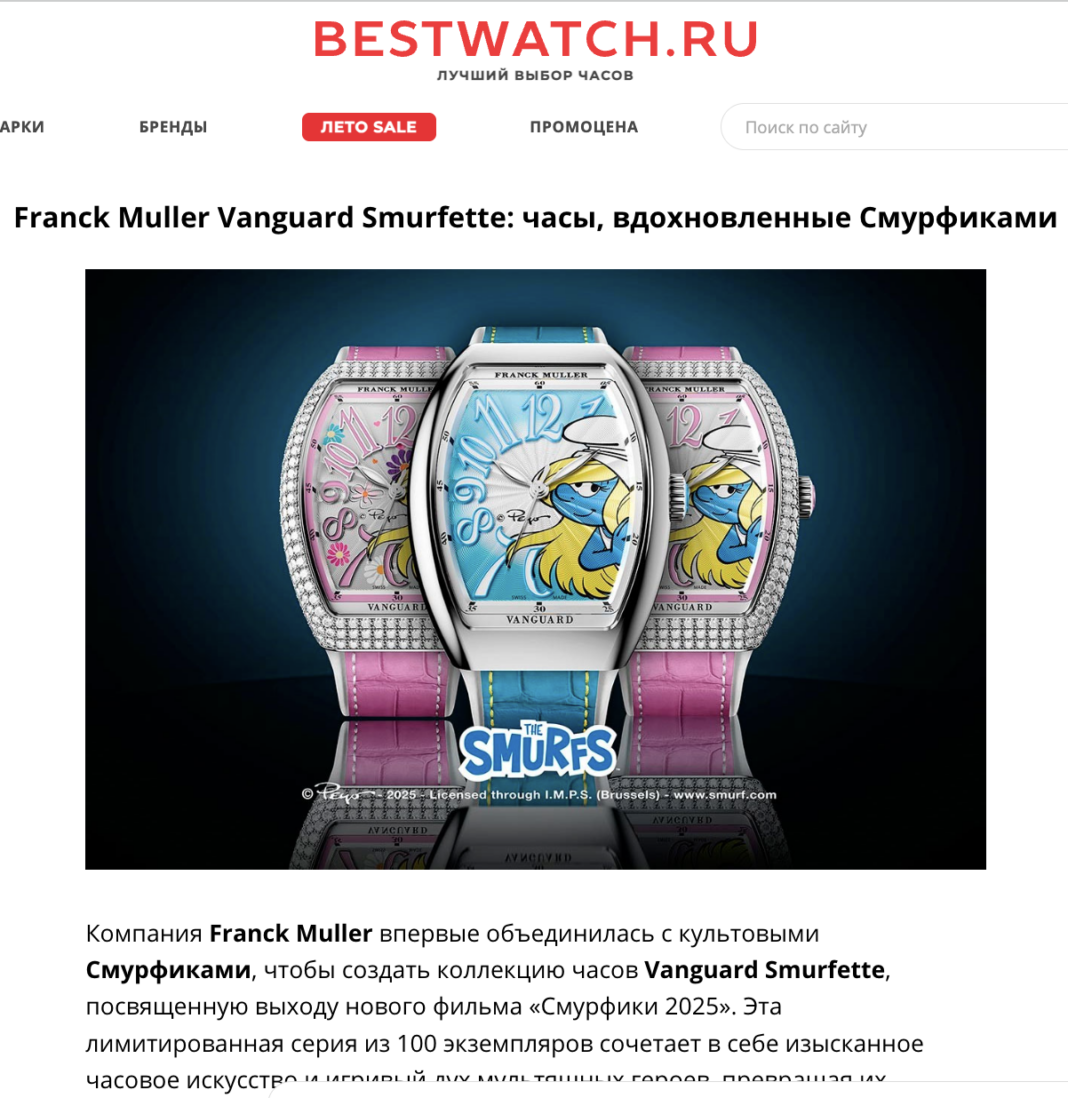
The dial is where a luxury watch announces its purpose. More than a surface for time display, it functions as the primary interface between maker and wearer—a space where design decisions, material choices, and finishing techniques converge. Each dial carries the fingerprint of its manufacture: the choice of guilloché patterns, applied indices, and luminous treatments all communicate a brand’s approach to watchmaking.
The Dial as Brand Statement
In luxury horology, the dial operates as the public face of the manufacture. It announces the brand’s aesthetic direction, technical priorities, and heritage. From color selection to surface finishes, every element is deliberate. AUDEMARS PIGUET dials, for example, employ engraving, guilloché, and hand-painted details that differentiate each piece while maintaining the brand’s visual language. (See the official AUDEMARS PIGUET site.)
Craftsmanship and Technique
Luxury watch manufacturers deploy specialized finishing methods refined over decades. Guilloché—the geometric pattern work created with a rose engine—requires both machine precision and trained eye. Hand-engraving demands steady hands and anatomical knowledge of how light breaks across beveled edges. Hand-painted details, whether applied to subdials or signature motifs, involve pigments chosen for longevity under UV exposure. AUDEMARS PIGUET’s approach demonstrates how these techniques function not as ornament but as integral components of the dial’s visual hierarchy.
Luxury Watch Dials: A Study of Materials
Material selection determines how a dial reads in different lighting conditions. High-end brands specify precious metals—white gold, rose gold, or platinum—as dial bases, chosen for their specific optical properties and resistance to oxidation. High-grade ceramics offer hardness and color stability; composite materials allow designers to achieve effects impossible in traditional metals. The interplay of light on brushed surfaces, polished bevels, and applied indices creates depth that photography struggles to capture. Explore AUDEMARS PIGUET collections to study these material choices firsthand.
The Dial’s Role in Collector Psychology
Collectors develop strong attachments to specific dial designs. This connection operates at both aesthetic and temporal levels: a watch becomes associated with the moment of acquisition, with life milestones, with routine daily wear. The dial—the element you encounter multiple times daily—anchors these associations. Inheritance of watches further amplifies this psychological investment; a dial witnessed across generations carries accumulated significance. Understanding this dimension explains why dial design receives such focused attention from manufacturers.
Conclusion
A watch dial is the synthesis of engineering constraint and artistic choice. Its composition—the materials selected, the finishes applied, the proportions established—reflects decades of manufacture philosophy. As you examine luxury watch brands, attend to how each dial articulates its maker’s values through concrete detail rather than ornamentation.
Frequently Asked Questions
What artisanal techniques does Audemars Piguet use in their watch dials?
Audemars Piguet employs engraving, guilloché, and hand-painted details on their watch dials, each method requiring specialized equipment and trained craftspeople to execute with consistency across production.
Why is a watch dial considered more than just a functional timepiece?
A watch dial serves as the primary visual and tactile interface between the watch and its wearer. It communicates brand heritage, technical priorities, and material choice, while accumulating personal significance through daily use and life events.
What materials do luxury watch brands typically use for their dials?
High-end brands utilize precious metals such as white gold, rose gold, and platinum as dial bases, along with high-grade ceramics and specialized composites. These materials are selected for their optical properties, durability, and how they interact with light across different finishing techniques.