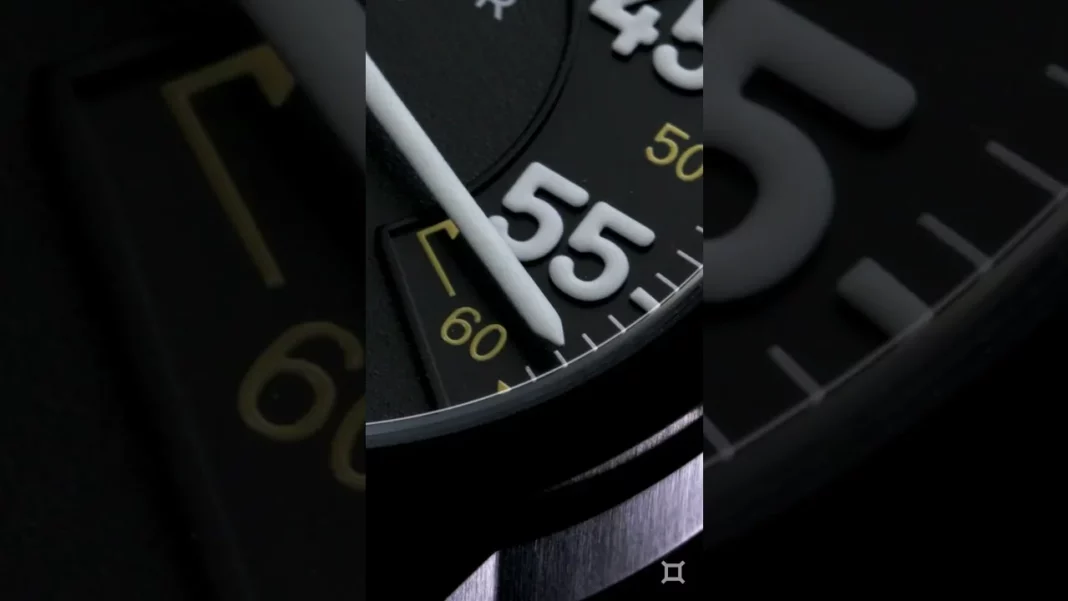
LAURENT FERRIER watches demand over a hundred hours of labor per piece. This production timeline reflects the brand’s approach to watchmaking: every component, visible or hidden, receives the same calibrated attention. The result is a watch where function and finishing exist at equal weight.
The Heart of Craftsmanship
LAURENT FERRIER’s foundation rests on single-watchmaker construction. One artisan follows each movement from raw components through final assembly and regulation. This model ensures continuity of hand and decision across every phase. The brand documents this process transparently—collectors can trace the specific watchmaker behind their purchase. Over a hundred hours of labor per piece is not marketing rhetoric; it is the documented cost of this deliberate methodology.
Artistry in Design
LAURENT FERRIER designs through constraint rather than embellishment. The dial uses clean geometry, open spacing, and high-contrast printing. Applied indices and hands sit flush without applied veneers. The case proportions—typically 40mm or 42mm in diameter with moderate lugs—follow classical watchmaking ratios established in the 1950s and 1960s. Contemporary finishing techniques, such as laser-ablated dial surfaces, sit alongside traditional hand-applied applied work. The result reads as understated rather than austere.
Hidden Details That Captivate
LAURENT FERRIER differentiates through visible movement finishing. The sapphire caseback reveals a movement where every surface receives hand-finishing: circular graining on plates and bridges, perlage on certain wheels, and hand-beveled edges on structural components. The balance cock often features hand-engraving unique to the watchmaker. Movement surfaces that never face direct light—under the balance wheel, for instance—receive the same finishing standard as exposed regions. These choices add manufacturing cost without increasing retail visibility, which is precisely why they signal commitment to collectors trained to look.
Conclusion
LAURENT FERRIER watches combine documented single-watchmaker assembly with movement finishing that exceeds export standards. The appeal rests not on storytelling but on technical choices that prioritize function and durability over cost reduction. For those seeking to understand where production labor actually concentrates in modern Swiss watchmaking, explore LAURENT FERRIER collections. These timepieces reward close examination through a loupe, revealing the decision-making of a single artisan across every visible component.
Frequently Asked Questions
How many hours of labor go into making a LAURENT FERRIER watch?
Over a hundred hours of labor go into creating a single LAURENT FERRIER timepiece. This timeline covers single-watchmaker assembly from movement components through regulation and case finishing.
What makes the hidden details in LAURENT FERRIER watches special?
LAURENT FERRIER applies identical finishing standards to movement surfaces visible through the sapphire caseback and those hidden beneath the balance wheel. Hand-beveled bridge edges, perlage on wheels, and watchmaker-specific hand-engraving on the balance cock create depth that justifies the extended production timeline.
What is LAURENT FERRIER’s design philosophy?
LAURENT FERRIER prioritizes functional clarity and classical proportions. Dial layouts use open spacing and high-contrast printing. Case dimensions follow mid-century Swiss standards. Finishing—whether on the dial or movement—emphasizes legibility and durability over visual spectacle.