Exploring the A. LANGE & SÖHNE Legacy
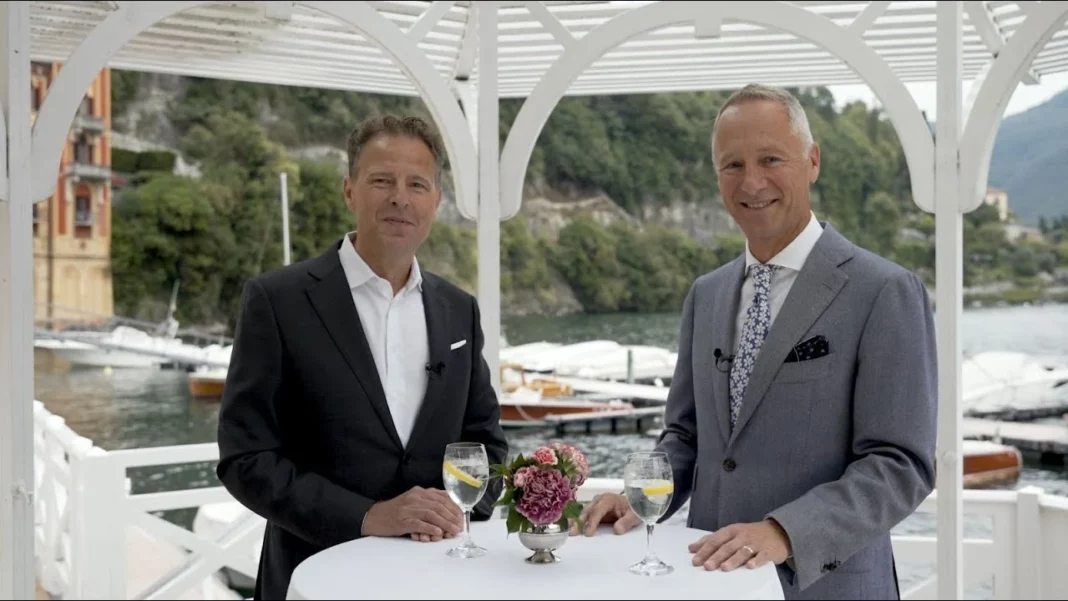
A recent Connoisseur Conversation brought together three industry figures—Wilhelm Schmid, Anthony de Haas, and Richard Hammond—to discuss A. LANGE & SÖHNE’s place in modern watchmaking. The exchange offered direct insight into how the brand’s leadership approaches tradition, production, and the collector’s relationship with mechanical timepieces.
Insights from the Experts
Wilhelm Schmid: The Visionary Leader
As CEO of A. LANGE & SÖHNE, Wilhelm Schmid articulated the brand’s core philosophy: maintaining 18th-century Saxon manufacturing standards while incorporating modern horological advancements. Rather than treating these as opposing forces, Schmid explained that each decision—from movement finishing to case geometry—reflects this dual commitment. The result is that contemporary A. LANGE & SÖHNE watches preserve hand-engraved balance cocks and hand-assembled components alongside digital testing protocols.
Anthony de Haas: Craftsmanship and Precision
Director of Production Anthony de Haas outlined the specific manufacturing disciplines that define A. LANGE & SÖHNE production. He detailed how each movement undergoes hand-finishing in the Glashütte tradition—perlage decoration, hand-engraved jewelling, and polished bevels—before assembly. De Haas described the tolerance requirements for escapement assembly at fractions of a millimetre and the pressure-testing regimens that verify chronometric performance. These processes directly explain why A. LANGE & SÖHNE watches achieve consistent rate stability and why they command their collector valuations.
Richard Hammond: The Engaging Host
Richard Hammond, known from his automotive broadcasting work, brought a collector’s perspective to the conversation. He explored why certain watches transcend their timekeeping function—how owning an A. LANGE & SÖHNE watch often connects to moments, acquisitions, and personal milestones rather than mere mechanical necessity. Hammond’s questions revealed how the brand’s visual language—dial layouts, hand forms, case proportions—creates recognition and emotional attachment among owners who may never read a specification sheet.
Conclusion
The conversation underscored A. LANGE & SÖHNE’s position as a manufacturer that refuses simplification. The brand produces fewer than 5,000 watches annually and maintains ownership of its foundational capabilities—dial-making, hand-finishing, case manufacturing—rather than outsourcing. For those interested in deeper exploration, view A. LANGE & SÖHNE collections on WATCHESPEDIA to examine specific models and their technical distinctions. The discussion made clear that A. LANGE & SÖHNE operates as a legacy of sustained manufacturing excellence, not merely brand positioning.
Frequently Asked Questions
What is A. LANGE & SÖHNE’s approach to balancing tradition and innovation in watchmaking?
According to CEO Wilhelm Schmid, A. LANGE & SÖHNE maintains 18th-century Saxon manufacturing standards—hand-engraved balance cocks, hand-assembled components, perlage decoration—while incorporating modern horological advancements and digital testing protocols. (See the official A. LANGE & SÖHNE site.)
What does the Director of Production focus on when creating A. LANGE & SÖHNE timepieces?
Anthony de Haas emphasizes hand-finishing in the Glashütte tradition, tolerance requirements for escapement assembly at fractions of a millimetre, and pressure-testing regimens that verify chronometric performance. These processes directly deliver the rate stability and collector valuations A. LANGE & SÖHNE watches command.
Why are A. LANGE & SÖHNE watches considered more than just functional devices?
A. LANGE & SÖHNE watches connect ownership to moments and milestones through their visual language—dial layouts, hand forms, and case proportions—creating recognition and attachment that extends beyond mechanical necessity.