Key Highlights
- Eberhard & Co. presents “Istanti Ritratti” (Portrayed Instants) at MIA Photo Fair BNP Paribas 2026 in Milan.
- The exhibition is dedicated to photographer Elisabetta Catalano, in collaboration with the Elisabetta Catalano Archive.
- Portraits focus on three universes in her work: contemporary art, cinema and La Dolce Vita.
- The project explores a shared language of time between mechanical watchmaking and photography.
- Curated by Studio Geddes Franchetti, it underscores Eberhard & Co.’s cultural engagement.
Time, Portraiture and the Spirit of La Dolce Vita
At MIA Photo Fair BNP Paribas 2026, Eberhard & Co. presents “Istanti Ritratti” (Portrayed Instants), an exhibition devoted to Elisabetta Catalano. Staged at Superstudio Più in Milan with the Elisabetta Catalano Archive and curated by Studio Geddes Franchetti, the project reflects on time as both image and measure.
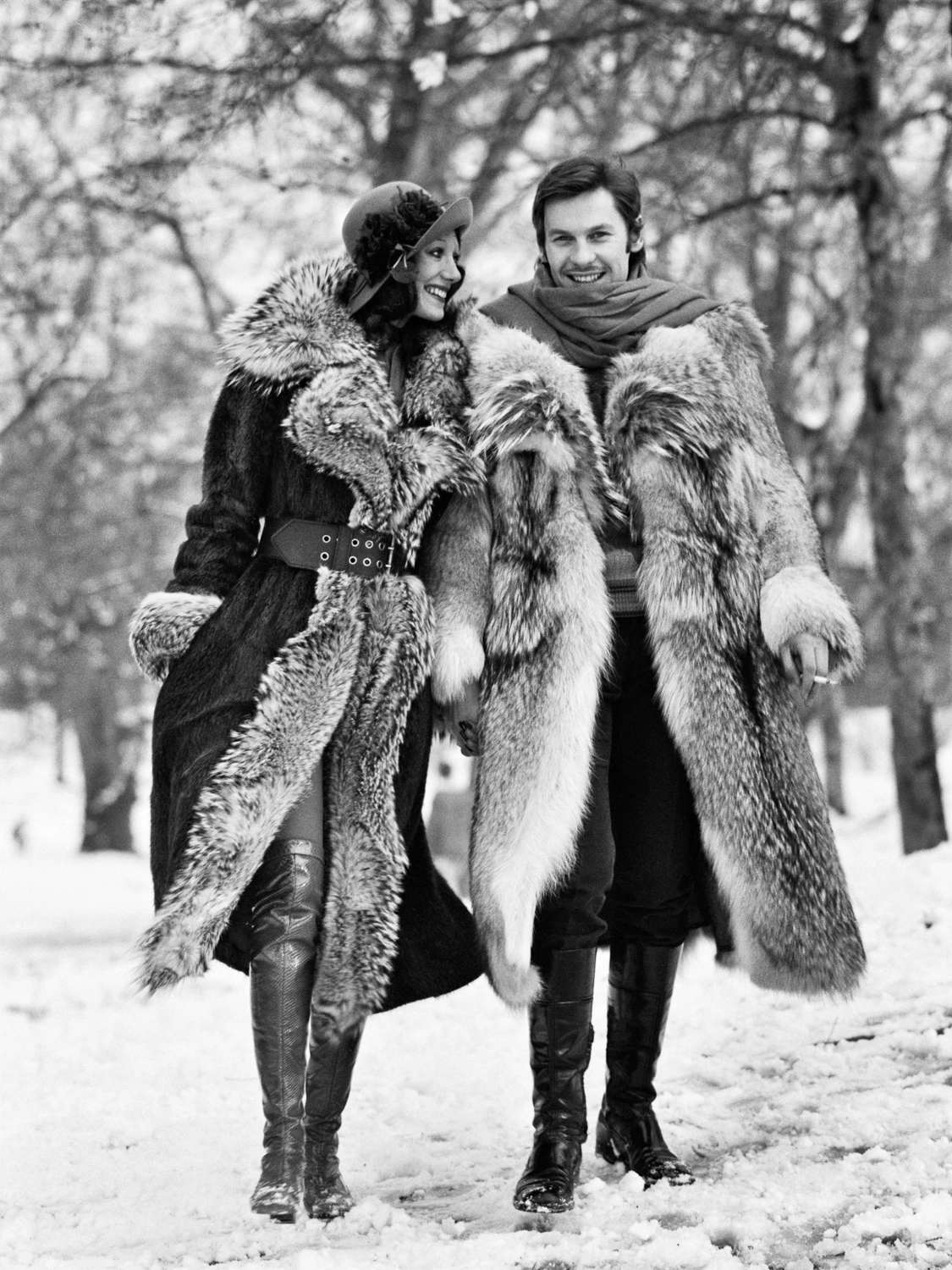
Catalano’s photographs form a gallery of personalities who shaped Italian and international culture from the late 1960s into the 1970s, across art, cinema and La Dolce Vita. Each sitter is fixed in a precise instant, revealing how a single moment can define a life and remain visible.
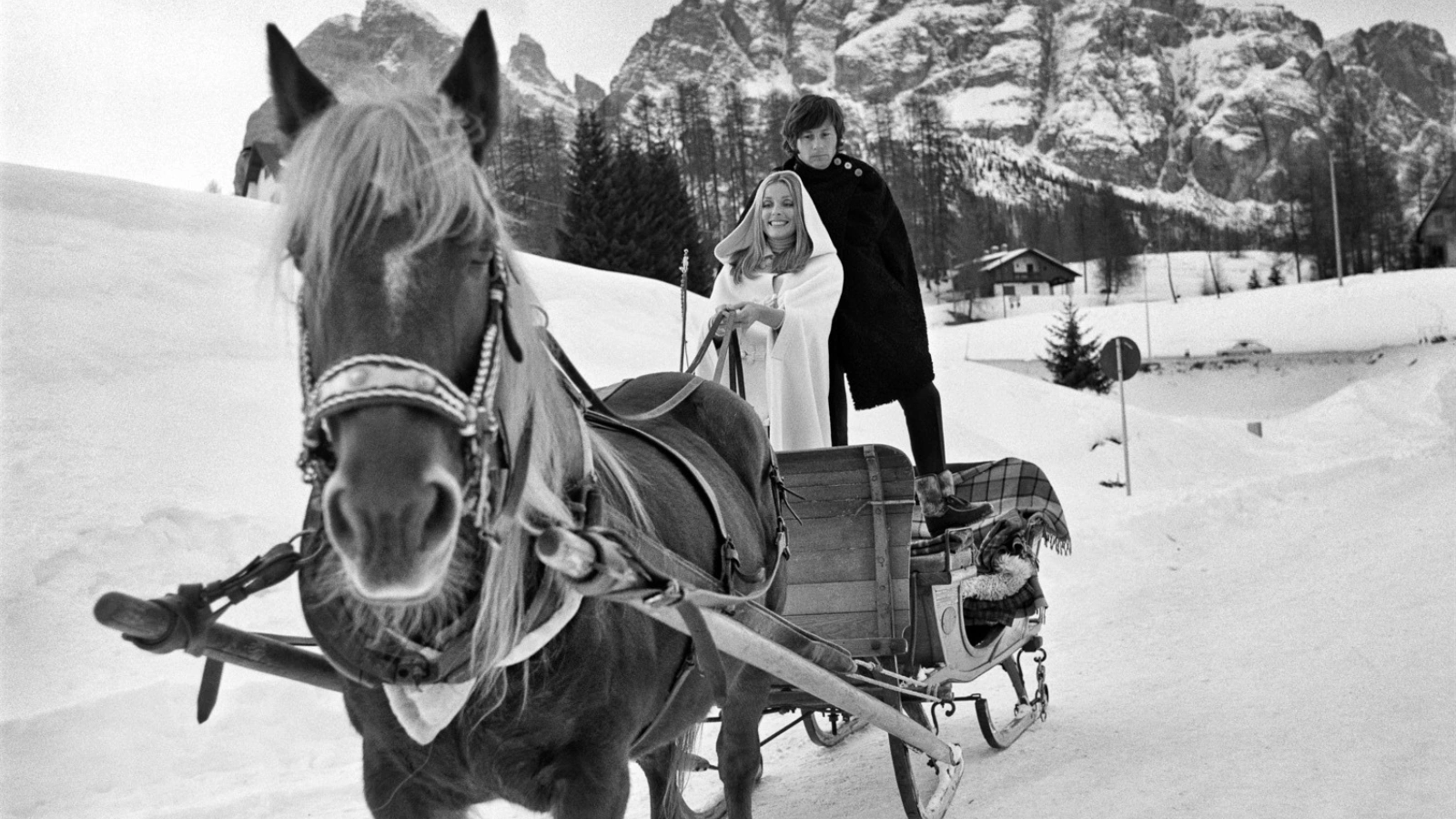
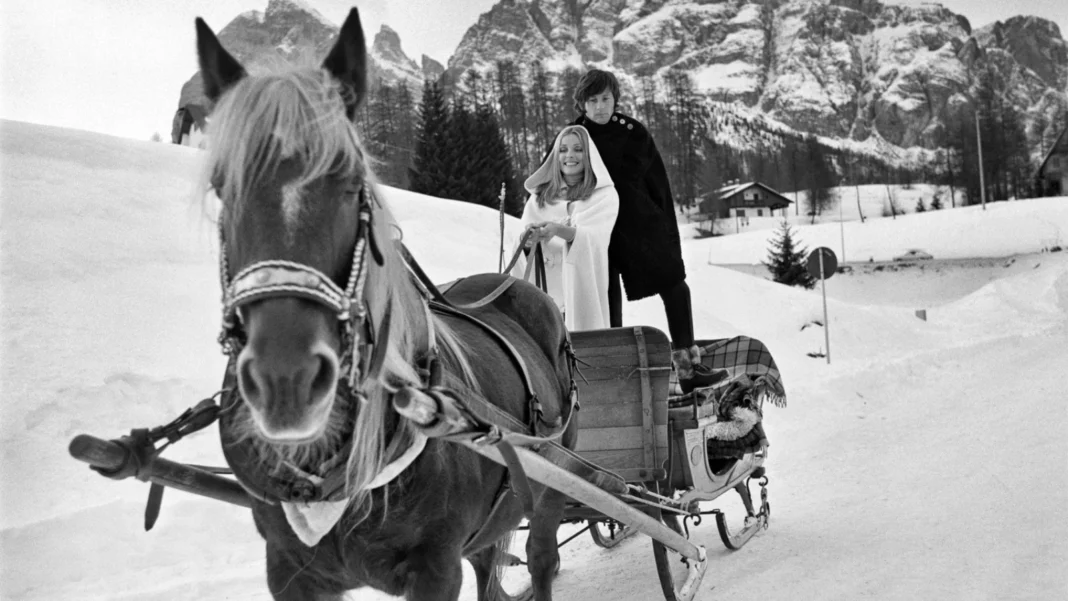
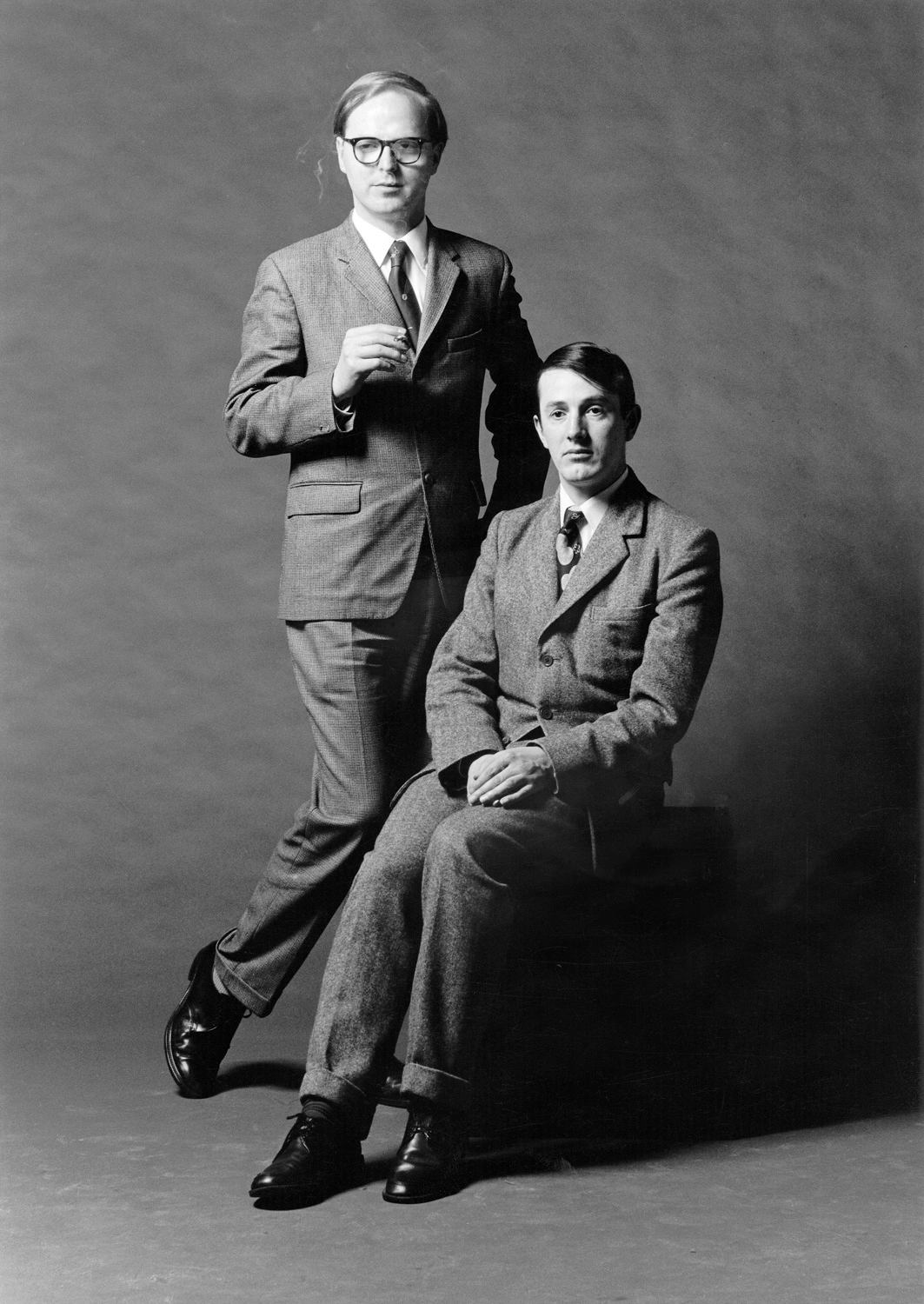
Her sitters include Helmut Berger and Marisa Berenson, Claudia Cardinale, Enrico Castellani, Roman Polanski and Sharon Tate, and Gilbert & George. Catalano places each subject in a setting that condenses gesture, expression and environment into an essential visual language.
Art historian Laura Cherubini recalls her “relentless perfectionism” and the recurring reflection, “I wonder if the photo is there!”, encapsulating a practice centred on one unrepeatable instant.
Eberhard & Co. and the Measure of the Instant
For Eberhard & Co., the exhibition continues a reflection on time and its representation. “The interpretation of time and its passage through art, particularly photography, has always been a central theme for the Maison,” notes Mario Peserico, General Manager of Eberhard & Co., aligning Catalano’s work with the brand’s heritage of precision.
This dialogue between watch and camera is described by Luca Pietromarchi of the University of Roma Tre as a “remarkable complicity” between the two instruments: the inaudible click of the seconds hand mirrors the click of the shutter, with the watch measuring the instant and the photograph preserving it as recoverable memory.
Elisabetta Catalano: A Life in Portraits
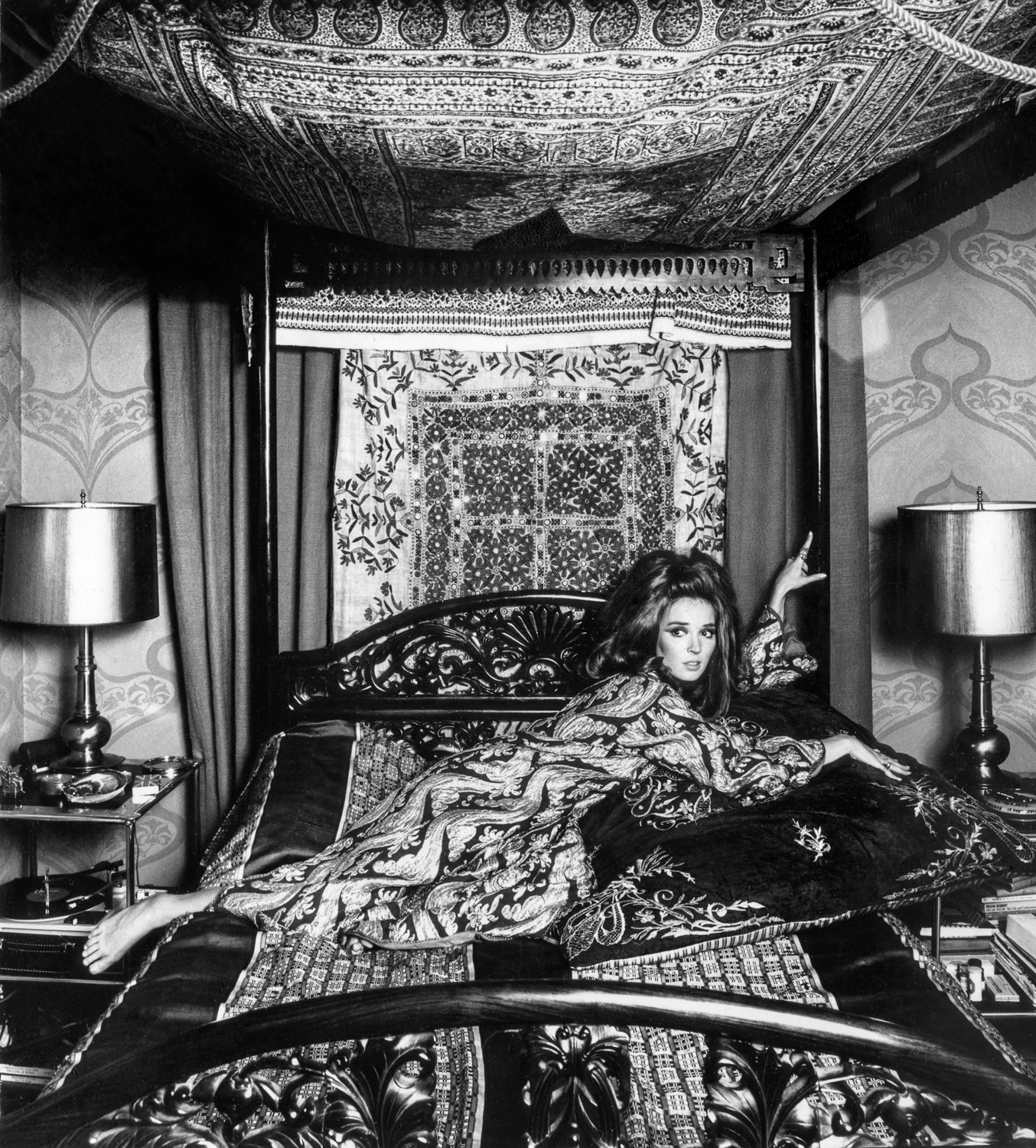
Elisabetta Catalano, who lived and worked in Rome, is recognised as a key portraitist of the late 20th century and as a witness to artists and cultural figures from the 1970s onwards. Her trajectory began on the set of Federico Fellini’s “8½”, where she photographed between takes before being invited by the director to follow other productions and create a series of studio images.
By 1971, she was working in New York for Vogue America and in Paris for Vogue France, focusing on portraiture while engaging with the avant-garde. She photographed figures such as Alighiero Boetti, Joseph Beuys, Gilbert & George, Enzo Cucchi, Francesco Clemente, Jannis Kounellis, Michelangelo Pistoletto and Dino De Dominicis, and collaborated with artists including Fabio Mauri and Vettor Pisani on performative works.
Her photographs have been exhibited at GNAM and MAXXI in Rome, GAM Turin, Fondazione Prada Milan, MACRO, MAMM Moscow, Musée Carnavalet Paris, ERARTA Saint Petersburg, Centro Pecci, the Triennale di Milano and the Venice Biennale, and are held in numerous permanent collections.
Why it matters
“Istanti Ritratti” crystallises the encounter between a Swiss watchmaking Maison devoted to the measurement of time and a photographer who turned fleeting instants into enduring cultural memory. For collectors and connoisseurs, it shows how mechanical precision and artistic vision can elevate time from function to experience, reinforcing Eberhard & Co.’s role as a patron of lasting creation. It also underlines how cultural partnerships can extend the language of watchmaking beyond the dial into the broader world of images.
Frequently Asked Questions
What is the connection between Eberhard & Co. and Elisabetta Catalano’s photography exhibition?
Eberhard & Co. presents “Istanti Ritratti” (Portrayed Instants) at MIA Photo Fair BNP Paribas 2026 in Milan, an exhibition dedicated to photographer Elisabetta Catalano. The project explores a shared language of time between mechanical watchmaking and photography, with the brand’s General Manager noting that the interpretation of time through art has always been central to the Maison’s heritage.
Who are some of the notable figures photographed by Elisabetta Catalano in the exhibition?
Catalano’s sitters include Helmut Berger and Marisa Berenson, Claudia Cardinale, Enrico Castellani, Roman Polanski and Sharon Tate, and Gilbert & George. Her portraits span three universes—contemporary art, cinema and La Dolce Vita—capturing personalities who shaped Italian and international culture from the late 1960s into the 1970s.
How does Elisabetta Catalano’s work relate to the concept of time?
Catalano’s practice centers on capturing one unrepeatable instant, with each sitter fixed in a precise moment that reveals how a single instant can define a life. Luca Pietromarchi describes a “remarkable complicity” between the watch and camera, where the watch measures the instant while the photograph preserves it as recoverable memory.