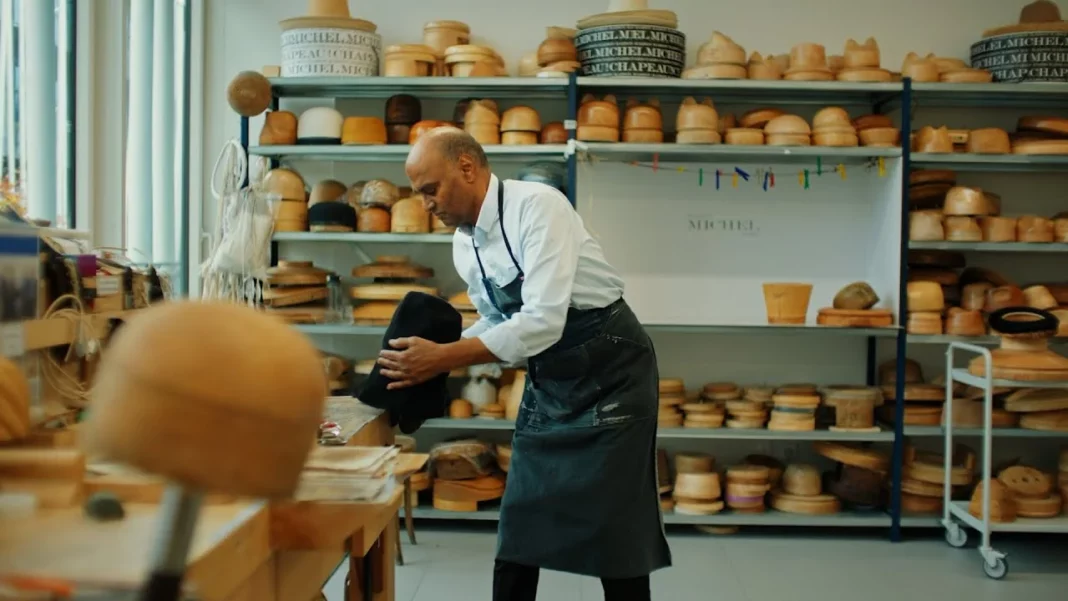
CHANEL’s latest timepiece collection, Métiers d’art 2026, centers on embroidery—a craft at the core of the house’s design philosophy. The collection is presented through the Portraits of Embroiderers video series, which documents the artisans and techniques that shape each piece. (See the official CHANEL site.)
The Essence of CHANEL Métiers d’art
The Métiers d’art collection reflects the commitment of CHANEL’s workshop artisans to preserve embroidery as both heritage and active practice. Each watch combines traditional hand techniques with contemporary design, creating pieces that document the knowledge of skilled embroiderers across multiple specializations.
A Deep Dive into the Craftsmanship
The video series offers access to the ateliers at le19M, CHANEL’s creative hub dedicated to embroidery and applied arts. In these workshops, artisans position each stitch and thread according to patterns developed over decades. The craftspeople, many with 20+ years in the field, work with hand-dyed silk, metallic threads, and specialized needles to build layered compositions directly onto watch cases and dials. The result: pieces where the embroidery is not decoration applied after manufacture, but integral to the object’s final form.
This Year’s Highlights
The 2026 collection draws from CHANEL’s archives while introducing new colorways and pattern vocabularies. Each watch in the line features a distinct embroidery scheme—some employ seed-bead appliqué techniques, others combine satin stitch with French knots or long-and-short shading. The designs reference both the house’s Haute Couture atelier codes and contemporary fiber art practices, creating timepieces that function equally as wearable art or technical instruments.
The Artisans Behind the Magic
The Portraits of Embroiderers series shifts focus to the individuals executing the work. Rather than positioning craft as anonymous production, CHANEL names and documents each specialist—their background, preferred tools, and relationship to specific techniques. This approach emphasizes that every variation in stitch tension, thread selection, or color mixing reflects deliberate creative choice by a named practitioner, not generic factory output.
Why Choose a CHANEL Timepiece?
A CHANEL watch from this collection functions as both operational instrument and documented object. The embroidery applied to the case or dial records the labor of a specific artisan on a specific date; ownership connects the wearer to that record. For collectors prioritizing origin, technique transparency, and direct lineage to the house’s couture traditions, the Métiers d’art 2026 pieces offer a distinct proposition in the luxury watch market.
To explore the full range, explore CHANEL collections to discover additional pieces and heritage details.
Frequently Asked Questions
What is the CHANEL Métiers d’art 2026 Collection focused on?
The CHANEL Métiers d’art 2026 Collection centers on embroidery as both heritage practice and contemporary design element. The collection showcases multiple embroidery techniques—seed-bead appliqué, satin stitch, French knots, and long-and-short shading—applied directly to watch cases and dials, drawing from CHANEL’s Haute Couture archives while introducing new colorways and pattern vocabularies that blend couture codes with contemporary fiber art.
Where are CHANEL Métiers d’art watches crafted?
CHANEL Métiers d’art watches are created in the ateliers at le19M, the house’s creative hub for embroidery and applied arts. Artisans in these workshops position each stitch and thread by hand using patterns refined over decades, working with hand-dyed silk, metallic threads, and specialized needles to build layered compositions directly onto the watch.
What makes CHANEL watches special beyond timekeeping?
Each CHANEL timepiece documents the labor of a named artisan executed on a specific date. The embroidery applied to case or dial creates a direct record connecting the wearer to that craftsperson’s work and the house’s couture traditions. For collectors valuing origin transparency and artisan attribution, these pieces establish clear lineage between maker, object, and owner.