
FABERGÉ
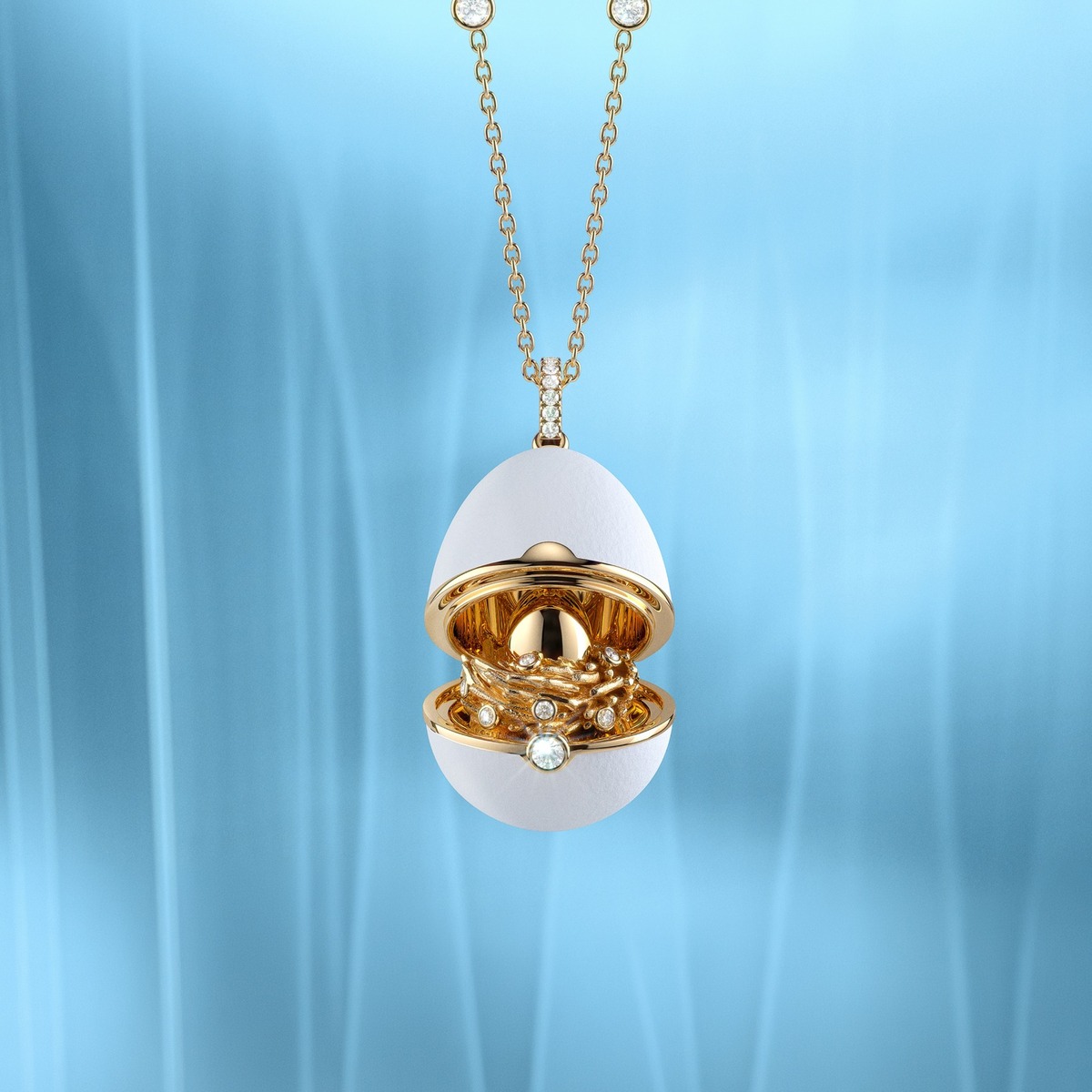
Founded in St Petersburg in 1842 by Gustav Fabergé, the house reached its height under his son Peter Carl, goldsmith and jeweller to the Russian Imperial court. The fifty Imperial Easter Eggs made between 1885 and 1917 remain among the most closely studied objects in the decorative arts, admired less for their materials than for the ingenuity of the surprises concealed inside them.
Return to the Wrist
Fabergé re-entered watchmaking in the present century with pieces that carry the workshop’s original preoccupations into a new form. The Lady Compliquée Peacock animates a plumed fan across the dial to indicate the hours, and the Visionnaire DTZ places a second time zone at the centre of a movement developed with an independent constructor.
Craft Before Complication
Guilloché engine-turning, translucent enamel over engraved gold, and gem-setting held to a standard set in the 1890s remain the house’s real subject. The complications are chosen to give those crafts something to do, a continuity of intent rather than of ownership, pursued today under the stewardship of the coloured-gemstone group Gemfields.